







More Than Just Planting Trees
When we hear “green education,” our minds often jump to annual tree-planting drives. While important, the modern concept is far broader and more deeply integrated into daily life. Today, green education is about fostering environmental consciousness as
a core value. It encompasses a wide spectrum of topics: understanding the life cycle of waste, the importance of water conservation, the value of local biodiversity, the impact of consumer choices, and the principles of sustainable living. It's less about a single day of action and more about creating a generation of citizens who think critically about their environmental footprint. This new approach aims to move beyond rote learning from textbooks to hands-on, experiential knowledge that sticks.
In the Classroom and Beyond
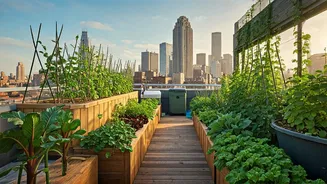
The learning doesn't stop at the school gate. A significant part of this green wave is being driven by grassroots community efforts. Resident Welfare Associations (RWAs) and local citizen groups across urban and suburban India are emerging as key champions of sustainability. They are the ones setting up decentralised waste management systems, convincing neighbours to segregate wet and dry waste, and transforming neglected public spaces into community parks or vegetable gardens. In cities like Bengaluru, Pune, and Gurugram, entire apartment complexes have become zero-waste communities, serving as powerful, hyperlocal models of what’s possible. This community-led approach is crucial because it makes environmental responsibility a shared social norm, not just an individual burden.
The Power of Community Action
Technology is acting as a powerful accelerator for this movement. A new generation of apps helps citizens identify recycling points, calculate their carbon footprint, or learn about sustainable alternatives to everyday products. Social media platforms are buzzing with influencers and content creators dedicated to demystifying sustainable living, offering practical tips on everything from composting on a balcony to creating a minimalist wardrobe. These digital tools are particularly effective at engaging younger audiences, meeting them where they are and speaking their language. Through viral challenges, informative reels, and engaging online workshops, environmental awareness is spreading faster and wider than ever before.
Digital Tools for a Greener Mindset
Despite the inspiring progress, the path to widespread environmental literacy is not without its obstacles. The biggest challenge is ensuring consistency and scale. While many initiatives are successful, they often remain localized. A lack of resources, insufficient training for educators, and a tendency to treat environmentalism as an extracurricular 'hobby' rather than a core subject can hinder progress. Furthermore, there's the risk of 'greenwashing,' where the appearance of being eco-friendly is prioritized over genuine impact. Sustaining momentum requires moving from one-off events to long-term, systemic changes, which demands continuous commitment from policymakers, communities, and individuals alike.
Challenges on the Green Path
Schools have become the primary incubator for this movement. Spurred by frameworks like the National Education Policy (NEP) 2020, which advocates for holistic and experiential learning, institutions are weaving environmental themes directly into their curriculum. This isn't just happening in biology class. Maths lessons might use data on local pollution levels, while social studies classes discuss the community impact of environmental policies. Beyond the curriculum, eco-clubs are flourishing. These student-led groups are no longer just for nature enthusiasts; they are dynamic hubs for projects like building vertical gardens, managing campus composting pits, and running awareness campaigns to reduce plastic use. These activities provide practical skills and a powerful sense of agency, showing students that their actions can create tangible change.