







NASA's Grand Lunar Blueprint
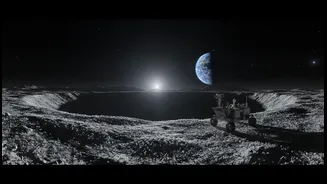
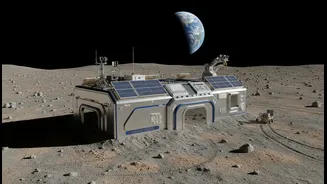
NASA's return to the Moon is built on the Artemis program, a multi-phase international effort to establish a sustainable human presence on the lunar surface. This isn't just about short visits; the goal is a permanent base camp near the Moon's South Pole,
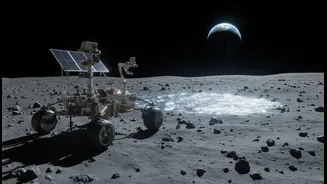
which will serve as a hub for science, exploration, and eventually, a stepping stone to Mars. The program is a monumental undertaking, involving the powerful Space Launch System (SLS) rocket, the Orion spacecraft for crew, and a planned lunar space station called Gateway. Recent missions under the Artemis banner have already tested the hardware, with crewed landings planned to begin before the end of the decade, followed by a phased construction of the base camp itself through the 2030s.
The 'Uber for Moon Cargo' Model
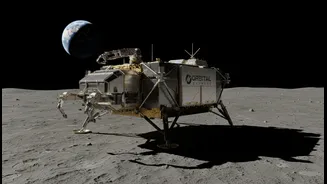
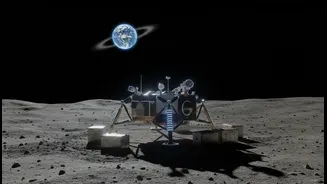
A key pillar of this new lunar economy is NASA's Commercial Lunar Payload Services (CLPS) initiative. Think of it as an Uber or Dunzo for the Moon. Instead of building and flying all its own landers, NASA is paying a growing number of American companies to deliver science experiments and technology payloads directly to the lunar surface. This approach is designed to be faster, more cost-effective, and to stimulate a commercial space industry. It allows NASA to rapidly get instruments on the Moon, scouting landing sites and testing technologies needed for the main Artemis missions. The success of the first commercial moon landing in 2024 proved the model works, and now dozens of these commercial deliveries are planned.
India's Own Lunar Journey
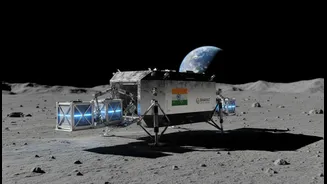
While NASA builds its international coalition, India has forged its own impressive path. The successful soft landing of Chandrayaan-3 near the lunar south pole made India the fourth nation to achieve this feat and cemented its status as a major space power. This achievement was not an end but a beginning. The Indian Space Research Organisation (ISRO) is already planning future missions, including a collaboration with Japan's JAXA for the LUPEX mission to further explore the polar regions, and future Chandrayaan missions that may involve sample returns. This independent capability gives India a unique standing; it is not just a potential customer for space services but a skilled provider and peer in lunar exploration.
From Competitor to Collaborator
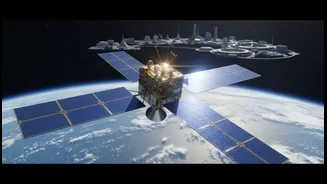
India's relationship with the new lunar push has evolved from parallel track to active partnership. A landmark moment was India signing the Artemis Accords, a set of non-binding principles for safe and transparent civil space exploration. This move signaled a strategic shift from pure self-reliance to collaborative engagement, ensuring India is not isolated from the emerging global standards for space governance. This partnership is already bearing fruit. ISRO and NASA are collaborating on the NISAR satellite for Earth observation and have agreed on a joint mission to the International Space Station. As a signatory, India is now positioned as a trusted partner for future Artemis activities, including potential involvement in the Moon Base and Gateway station.
The New Frontier for Indian Startups
NASA's commercial-first approach to lunar logistics has significant implications for India's burgeoning private space sector. By creating a market for payload delivery, NASA has provided a blueprint that could be replicated or participated in. As India opens its own space sector, the CLPS model provides a powerful example. There are now hundreds of space startups in India. While NASA's CLPS contracts are currently for American companies, the trend toward commercialization opens doors globally. Indian startups are already gaining international recognition, with companies like Pixxel securing contracts with NASA for its earth-imaging data. This growing ecosystem is well-positioned to eventually contribute components, software, and services to the global lunar economy that Artemis is building. The creation of a US-India space innovation bridge aims to foster exactly these kinds of partnerships.