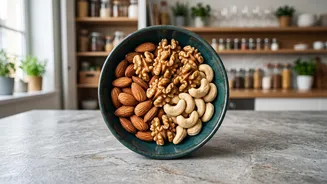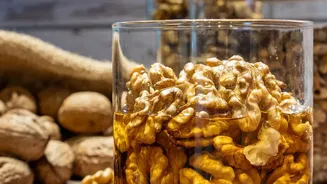








It’s a familiar sight in many Indian homes: a small bowl of almonds and walnuts submerged in water on the kitchen counter, left to rest overnight. This daily ritual, passed down through generations, is more than just a habit.
Ancient Wisdom Meets Modern Science
For centuries, Ayurveda has
advocated for soaking nuts. The reasoning is that nuts are naturally dense and considered 'hot' in potency, making them heavy to digest. Soaking is believed to reduce this heat, soften their texture, and make them gentler on the digestive system, a concept particularly important for balancing the body's 'doshas'. While our ancestors may not have used terms like 'bioavailability', their intuitive understanding of food science was remarkably accurate. Modern nutrition now supports this age-old practice, pointing to specific compounds within nuts that explain why soaking is so beneficial.
The Trouble with 'Anti-Nutrients'
Raw nuts, seeds, and grains possess natural self-preservation mechanisms to ensure they can survive until conditions are right for germination. This 'chemical armour' includes substances often called 'anti-nutrients', primarily phytic acid and enzyme inhibitors. Phytic acid can bind to essential minerals like iron, zinc, calcium, and magnesium in your digestive tract, preventing your body from absorbing them effectively. Enzyme inhibitors, meanwhile, can interfere with your own digestive enzymes, which is why a large handful of raw nuts can sometimes lead to a feeling of heaviness or bloating.
Unlocking the Nutritional Payoff
The simple act of soaking nuts in water mimics nature's cue for germination—rain. This process signals the nut to neutralize its defence mechanisms. Soaking helps to break down a portion of the phytic acid, making minerals more 'bioavailable' or ready for your body to use. It also deactivates the enzyme inhibitors, which can ease digestion and reduce the likelihood of bloating or discomfort. Furthermore, soaking removes some of the tannins found in the skin of nuts like almonds, which can interfere with nutrient absorption and contribute to a slightly bitter taste. The result is a nut that is not only easier to digest but whose nutritional benefits are more accessible.
A Closer Look at Almonds and Walnuts
While the general benefits of soaking apply to many nuts, almonds and walnuts are particularly popular choices. When soaked, the skin of almonds loosens, which makes them easier to peel. This is significant because the skin contains tannins that can hinder nutrient absorption. Ayurvedic tradition regards soaked and peeled almonds as a 'brain tonic' that sharpens memory. Walnuts, known for their high content of Omega-3 fatty acids, can sometimes have a slightly bitter taste. Soaking helps to mellow this flavour, resulting in a creamier, more buttery texture that many find more palatable.
The Simple Soaking Method
Getting the benefits of soaked nuts is incredibly easy. Simply place your raw almonds or walnuts in a glass bowl and cover them with filtered water. Many guides suggest adding a pinch of salt, as this may help activate enzymes that neutralize the inhibitors. Let them soak on the counter overnight, or for about 8 to 12 hours for almonds and slightly less, around 8 hours, for walnuts. It is important to discard the soaking water, as it will contain the phytic acid and tannins that have leached out. Give the nuts a thorough rinse with fresh water before eating them. They will be softer, plumper, and ready to be enjoyed as a powerful morning snack.