




The Taste of the Land
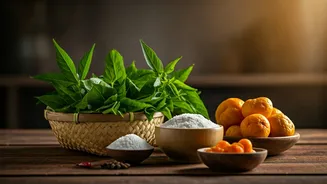
Assamese cuisine is a direct reflection of its environment. Nestled in the fertile Brahmaputra plains, it relies on an abundance of fresh, locally sourced ingredients. The food philosophy is one of simplicity and restraint, focusing on the natural taste
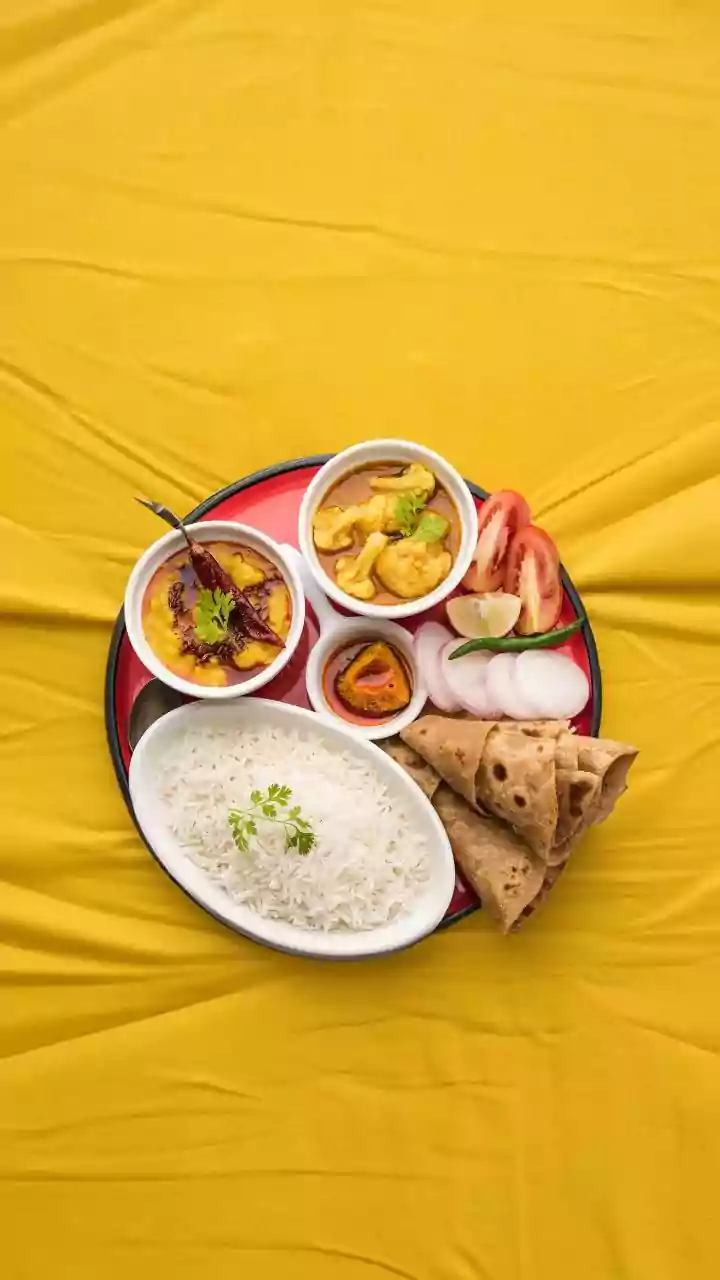
of ingredients rather than overpowering them with complex spice blends. Unlike many other Indian culinary traditions, the use of multiple spices is minimal; instead, flavour is built using fresh herbs, ginger, garlic, and the world-famous Bhut Jolokia for heat. This approach is a confluence of cooking habits from the surrounding hills, which favour fermentation and drying, and the plains, which provide a vast array of vegetables, greens, fish, and meat. Everything revolves around rice, the staple food that is the heart of every meal.
It All Begins with Khar
To understand Assamese food, one must first understand 'khar'. It is both an ingredient and a class of dishes so unique that it defines the cuisine. Khar is an alkaline liquid, traditionally made by filtering water through the ashes of sun-dried banana peels or the trunk of a banana plant. This ingredient gives dishes a distinct, astringent, and refreshing taste that is unlike anything else in India. A traditional Assamese meal often begins with a khar dish, which may feature papaya, pulses, or fish. It is believed to cleanse the palate and aid in digestion, preparing the stomach for the courses to follow. This ancient technique is a form of chemistry-meets-tradition that tenderises ingredients and imparts a flavour that is core to the Assamese identity.
The Interplay of Sour and Spice
After the alkaline start, the next signature flavour profile is 'tenga', meaning sour. A meal often concludes with a tenga dish, a light, tangy curry that provides a refreshing finish. The most famous of these is Masor Tenga, a sour fish curry. The sourness doesn't come from a single source but a variety of local ingredients like tomatoes, elephant apple (outenga), dried mangosteen (thekera), or lemon. This dish is especially popular in warmer months for its cooling properties. The cuisine’s heat comes from the legendary Bhut Jolokia, or ghost pepper, one of the world's hottest chillies. However, it's used with precision to add a fiery kick without destroying the subtle balance of flavours in a dish.
A Celebration of Simplicity
The true genius of Assamese cooking lies in its celebration of simple, core ingredients. 'Pitika' is a perfect example—a comfort dish of mashed vegetables like potato or eggplant, mixed with raw mustard oil, onion, and chillies. The pungent mustard oil is a key flavouring agent across the cuisine. 'Xaak' or leafy greens are a vital part of the diet, with a custom of eating 101 different types during the Rongali Bihu festival. Cooking methods also highlight this simplicity, with a preference for steaming (bhapa), boiling, and roasting over an open flame, which preserve the food's nutritional value and natural taste. Dishes like 'Patot Diya Maas' (fish steamed in banana leaves) showcase how ingredients are gently cooked to let their inherent flavours shine.