





India's Next Interplanetary Frontier
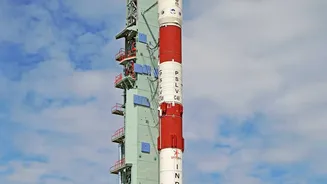
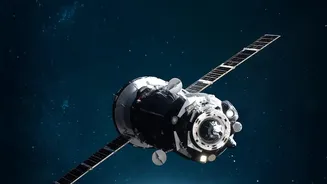
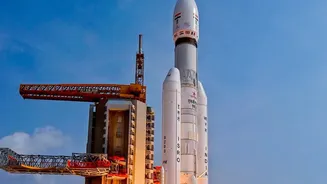
Following the historic successes of Chandrayaan and the Mars Orbiter Mission (Mangalyaan), the Indian Space Research Organisation (ISRO) is embarking on its next great adventure: Shukrayaan. This Venus Orbiter Mission represents a bold new chapter in the nation's
space exploration journey, aiming to study the surface and atmosphere of our closest planetary neighbour. Formally approved by the government, the mission underscores India's growing capabilities in designing complex, cost-effective interplanetary missions that capture the world's attention. Scheduled for a potential launch in the coming years, Shukrayaan will join a new wave of international efforts to unravel the mysteries of this enigmatic planet.
Why Study Earth's 'Evil Twin'?
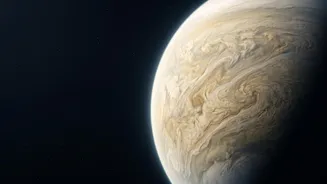
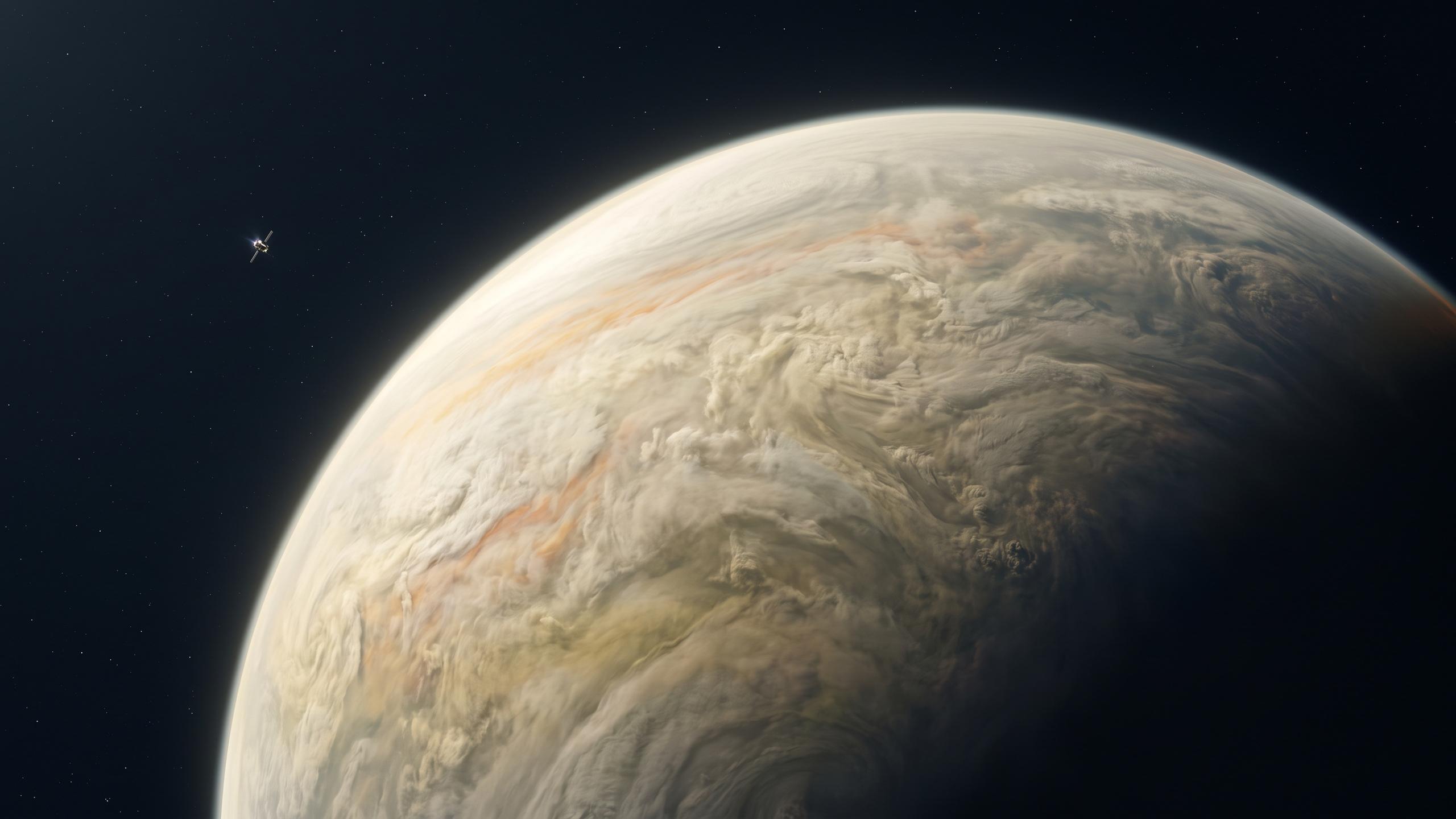
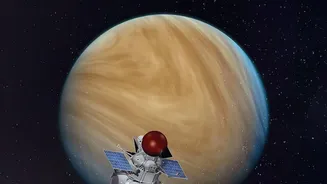
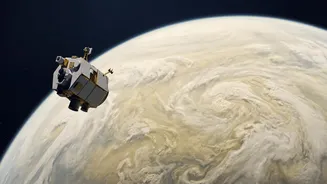
Venus is often called Earth's twin due to its similar size, mass, and density. However, the similarities end there. The planet is a hellish world with surface temperatures hot enough to melt lead, crushing atmospheric pressure over 90 times that of Earth's, and thick, yellowish clouds of sulfuric acid. Scientists believe Venus may have once hosted oceans and a more temperate climate, similar to early Earth. A runaway greenhouse effect, however, transformed it into the inferno we see today. Studying Venus offers a natural laboratory to understand how planetary climates evolve, providing crucial insights into climate change models here on Earth and serving as a dramatic cautionary tale.
Decoding the Corrosive Cloud Chemistry
A primary goal of the Shukrayaan mission is to investigate the complex chemistry of Venus's dense atmosphere and its iconic cloud layers. The spacecraft will carry a suite of advanced scientific instruments, some developed in collaboration with international partners from Sweden, Russia, and Germany, to peer through the thick atmospheric shroud. These payloads are designed to analyze the composition and dynamics of the atmosphere, study the mysterious super-rotating winds that whip around the planet, and investigate how solar wind interacts with the Venusian ionosphere. One instrument, the Venus Infrared Atmospheric Gases Linker (VIRAL), will specifically search for trace gases, while others will map cloud structure and look for lightning. By understanding the chemical processes within these sulfuric acid clouds, scientists hope to piece together the planet's climatic history.
Peeking Beneath the Veil
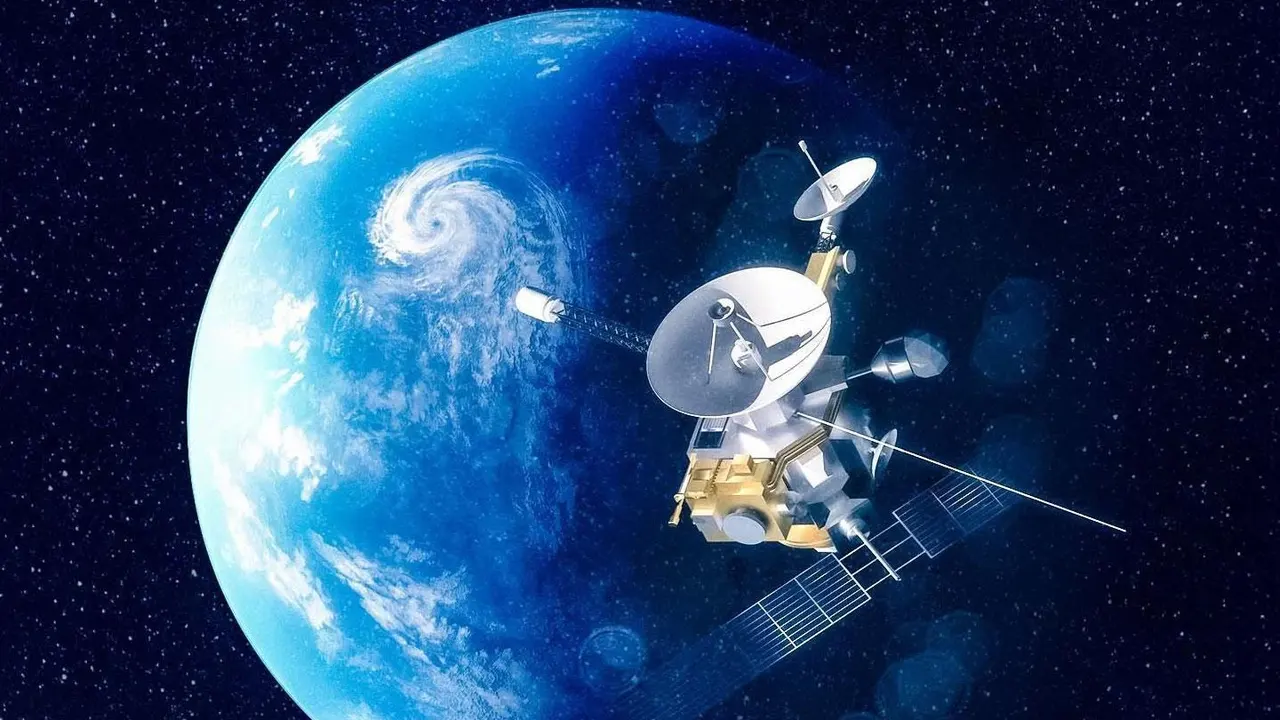
To study a planet perpetually covered in thick clouds, Shukrayaan will rely on technology that can see what the naked eye cannot. The orbiter will be equipped with a high-resolution Synthetic Aperture Radar (SAR), which can pierce the clouds to map Venus's surface with remarkable detail, revealing volcanic features, lava flows, and impact craters. In a groundbreaking first for any Venus mission, Shukrayaan also plans to carry a ground-penetrating radar to investigate the planet's shallow subsurface geology. This will provide unprecedented data on the stratigraphy, or rock layers, beneath the surface, offering clues to the planet's volcanic and geological evolution.
Overcoming Extreme Challenges
A mission to Venus is fraught with technical hurdles. The extreme surface temperature of around 475 degrees Celsius and immense pressure make landings incredibly difficult; the longest any craft has survived on the surface is just over two hours. While Shukrayaan is an orbiter, it will still face challenges, including the corrosive nature of the upper atmosphere. The spacecraft will initially enter a wide elliptical orbit around Venus before using a technique called aerobraking—using the drag of the planet's upper atmosphere to slow down and lower its orbit—to save precious fuel and settle into its desired scientific orbit. This maneuver requires precise engineering to withstand the atmospheric stresses while positioning the craft perfectly for its multi-year observation campaign.