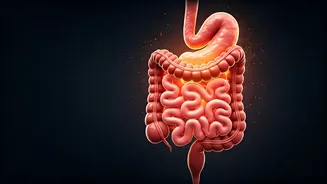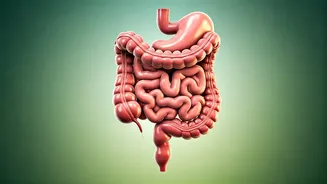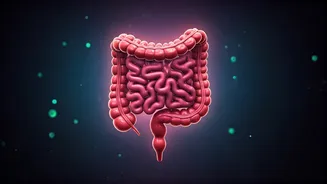







What Is Gut Health, Really?
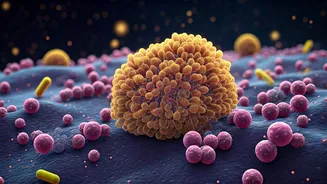
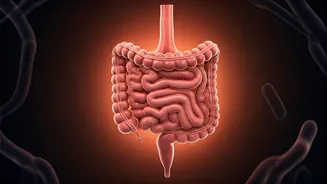
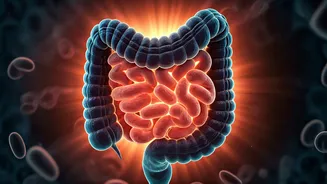
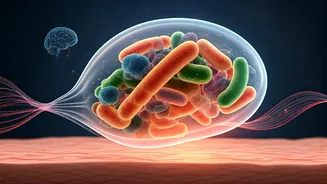
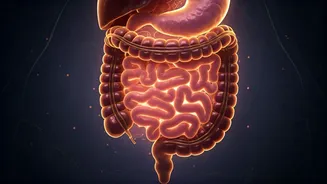
When we talk about 'gut health,' we're referring to the balance of microorganisms that live in our digestive tract. Imagine a bustling city inside your intestines, populated by trillions of microbes—bacteria, fungi, and viruses. This community is known
as the gut microbiome. In a healthy gut, there's a diverse and balanced population of these microbes. They work together to help digest food, produce essential vitamins, and protect against disease-causing organisms. However, factors like diet, stress, poor sleep, and certain medications can disrupt this delicate balance, leading to a condition called dysbiosis, where 'bad' bacteria can outnumber the 'good.' This imbalance is often the root cause of common digestive complaints and can have wider implications for our health.
The Gut-Body Connection
The idea that our gut influences our entire body is not new, but modern science is continuously uncovering just how deep the connection runs. About 70% of your immune system resides in your gut, meaning a healthy microbiome is your first line of defence against infections. Then there's the 'gut-brain axis,' a direct communication pathway between your gut and your brain. This explains why you might feel 'butterflies' in your stomach when you're nervous or why chronic stress can lead to digestive issues. An imbalanced gut has been linked to mood swings, anxiety, and difficulty concentrating. It also affects how well you absorb nutrients from your food, your skin's clarity, and even your risk of developing chronic conditions. In short, nurturing your gut is one of the most fundamental things you can do for your long-term health.
Signs Your Gut Needs Attention
Your body often sends signals when your gut is unhappy. While occasional digestive discomfort is normal, persistent symptoms can be a sign of an underlying imbalance. Common red flags include frequent gas, bloating, constipation, diarrhoea, and heartburn. These are direct indicators that your digestive process isn't running smoothly. Other, less obvious signs can include unexplained fatigue, skin irritations like eczema or acne, frequent sugar cravings (as 'bad' bacteria thrive on sugar), and even unintentional weight changes. If you constantly feel 'off' but can't pinpoint why, it might be worth paying closer attention to your digestive health. Recognising these signals is the first step toward taking corrective action.
Feed Your Gut: A Diet for Balance
The single most powerful tool for improving your gut health is your diet. The goal is to nourish the beneficial microbes. Start with fibre, which acts as a prebiotic—food for your good gut bacteria. Load up on whole grains, lentils (dal), legumes, vegetables, and fruits. Diversity is key; aim to eat a wide variety of plant-based foods. Incorporate probiotics, which are live beneficial bacteria, into your diet. Dahi (yoghurt) is an excellent and accessible source. Other fantastic options common in Indian households include fermented foods like idli, dosa, and homemade pickles. On the other hand, try to limit processed foods, excessive sugar, and artificial sweeteners, as they can feed the harmful bacteria and disrupt the microbiome's delicate balance. Simple swaps, like choosing brown rice over white or having a bowl of dahi with your meal, can make a significant difference.
Beyond Food: Lifestyle Habits for a Happy Gut
While diet is crucial, other lifestyle factors play a major role in maintaining a healthy gut. Chronic stress is a primary culprit in gut disruption; the stress hormone cortisol can negatively impact your microbiome. Integrating stress-management techniques like meditation, deep breathing, or even a short daily walk can be highly beneficial. Prioritise sleep, aiming for 7-8 hours of quality rest per night, as this is when your body, including your gut, repairs itself. Stay hydrated by drinking plenty of water throughout the day, which aids digestion and helps maintain the mucosal lining of the intestines. Finally, regular physical activity helps stimulate the movement of your digestive tract and can promote the growth of beneficial bacteria. It doesn't have to be an intense workout—a brisk 30-minute walk most days is enough to support both your physical and gut health.