




The modern workday often means long hours rooted to a chair, leading to stiff joints and discomfort. But you don't have to accept this as normal. Small, consistent movements throughout the day can unlock a world of difference for your mobility.
The Real Problem with Sitting
Our bodies
are designed for movement, not for staying in one position for hours. When you sit for prolonged periods, a few things happen that compromise your joint health. Your hip flexors, the muscles at the front of your hips, shorten and tighten. This can pull your pelvis out of alignment and contribute to lower back pain. Meanwhile, your glute muscles can effectively 'switch off', weakening from disuse. This combination forces other muscles and joints, particularly in your lower back, to compensate, leading to strain, stiffness, and pain. Over time, this sedentary lifestyle can reduce your overall flexibility, weaken muscles, and contribute to chronic issues in the neck, shoulders, and back.
The Power of Micro-Breaks
The solution isn't necessarily a gruelling gym session after work; it's about integrating small, frequent 'movement snacks' into your day. Taking a short break to stand, stretch, or walk for just a couple of minutes every 30 to 60 minutes can work wonders. These micro-breaks interrupt the negative cycle of sitting, improve blood circulation, reset your posture, and prevent your joints from getting stiff. They also offer mental benefits, helping to improve focus and reduce stress. The key is consistency. Setting a simple timer can remind you to get up and move, turning this healthy habit into a natural part of your workday.
Simple Stretches You Can Do at Your Desk
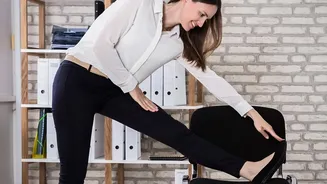
You don't even need to leave your chair to start improving your mobility. Try incorporating these simple stretches: Seated Spinal Twist: Sit tall with your feet flat on the floor. Gently twist your torso to one side, using the armrest for a light stretch. Hold for 15-30 seconds and repeat on the other side. This helps relieve tension in your spine. Seated Figure-Four Stretch: Cross one ankle over the opposite knee. Sit up straight and gently lean forward until you feel a stretch in your hip and glute. This is excellent for opening up tight hips. Hold for about 30 seconds per side. Neck and Shoulder Rolls: Gently tilt your head from side to side, bringing your ear toward your shoulder. Follow this by slowly rolling your shoulders up, back, and down in a circular motion to release tension from your upper back and neck.
Stand Up for Your Joints
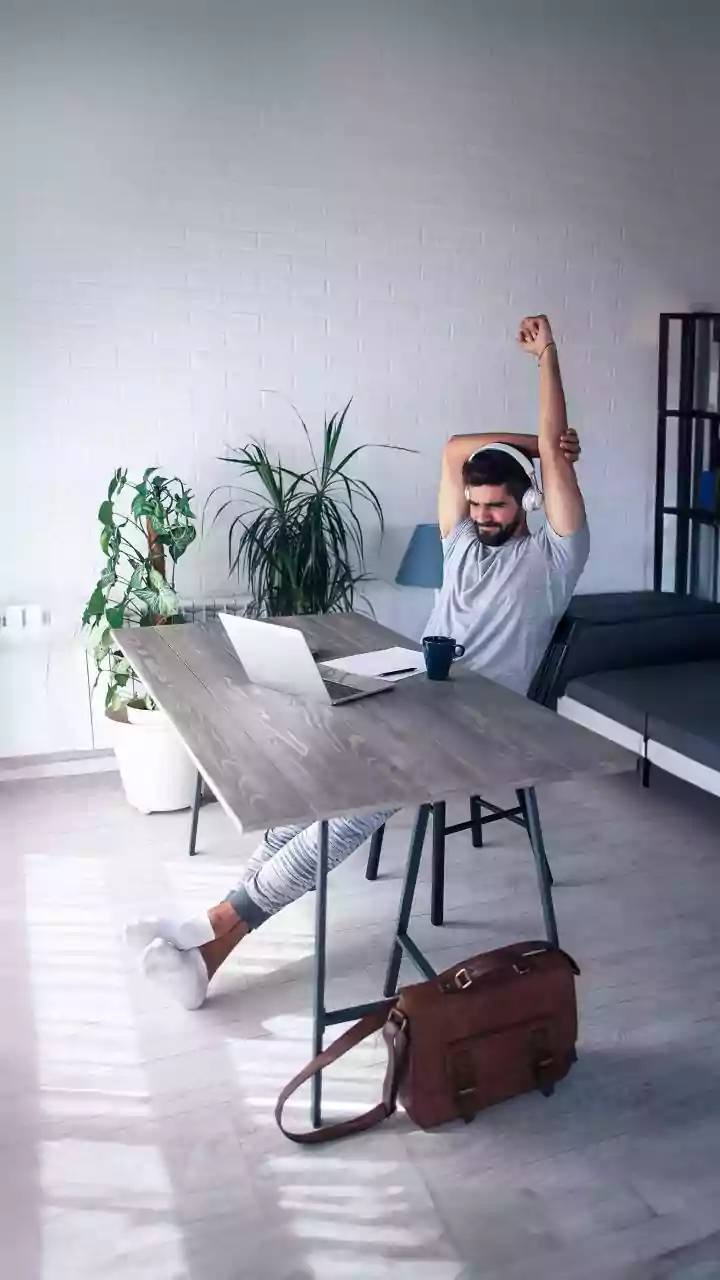
When you have a moment to stand, these movements can provide even greater relief: Hip Flexor Stretch: Step one foot forward into a lunge position, keeping your back upright. Gently push your hips forward to feel a stretch in the front of the back leg's hip. This directly counteracts the hip-shortening effects of sitting. Chair Squats: Stand in front of your chair and perform a few slow and controlled squats, as if you are about to sit down. This helps reactivate your glute and leg muscles. Overhead Stretch: Interlace your fingers and reach your arms straight up towards the ceiling. You can add a gentle lean from side to side to stretch your torso.
Rethink Your Workspace
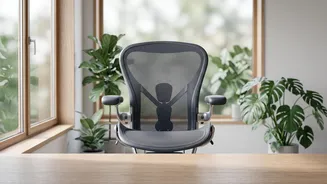
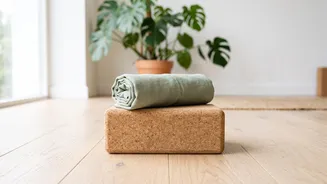
A few small adjustments to your desk setup, known as ergonomics, can also significantly impact your joint health. Ensure the top of your monitor is at eye level to prevent neck strain. Your chair should support your lower back, and your feet should be able to rest flat on the floor with your knees at or slightly below hip level. If possible, consider a standing desk or an adjustable converter to allow you to alternate between sitting and standing throughout the day. Even placing a small pillow or rolled towel behind your lower back can provide extra support and help maintain a healthy spinal curve.