






An Escape from the ‘Checklist’ Vacation
For a generation grappling with digital overload and burnout, the definition of a holiday is changing. There is a growing fatigue with commercial tourism, where popular destinations often feel like a checklist of crowded viewpoints, traffic jams, and overpriced
hotels. Young travellers are increasingly seeking authentic experiences over manufactured fun. They are choosing journeys that offer a personal reset rather than just a simple escape. This has led them to quieter, offbeat trails, particularly those with a spiritual or natural significance, which promise a deeper connection and a more meaningful story to tell than a weekend in a packed resort.
The Mystical Allure of the Monsoon
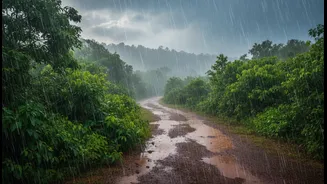
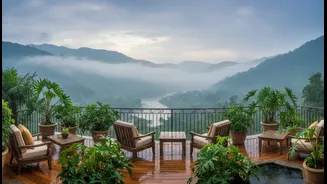
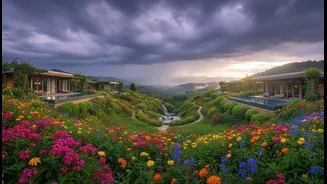
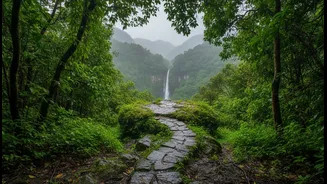
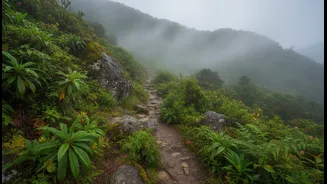
The Indian monsoon transforms landscapes into lush, green wonderlands, and this has a unique spiritual appeal. The rain washes the land clean, creating a fresh, tranquil atmosphere that feels worlds away from city life. Destinations in the Western Ghats, such as the treks around Lonavala or in Coorg, and Himalayan trails like the Valley of Flowers in Uttarakhand, come alive during this season. Waterfalls are at their most powerful, forests are at their most vibrant, and the cloud-draped hills create a sense of mystique. This dramatic seasonal beauty, combined with fewer tourists, makes monsoon treks an immersive experience that feels both adventurous and deeply peaceful.
The Rise of Wellness and Spiritual Tourism
Spiritual travel is no longer reserved for the elderly. Recent data shows a significant surge in spiritual and wellness tourism among young Indians. In fact, India leads Asia in spiritually motivated travel plans for 2026, with nearly one in five travellers planning such trips. For many, these journeys are less about rigid religious observance and more about mental and emotional well-being. Faced with high stress levels, many young professionals view these trails as a form of therapy—a way to disconnect from the digital world, practice mindfulness, and reconnect with themselves in a quiet, natural setting. This quest for inner peace is a powerful driver, pushing them towards serene environments over stimulating ones.
Smarter on the Wallet, Richer in Experience
Commercial hill stations during peak season are notoriously expensive. Flights, hotels, and even local transport costs can skyrocket. In contrast, travelling during the monsoon—considered an off-season for many mainstream destinations—can be significantly more budget-friendly. Less-trodden spiritual paths and treks often involve stays in homestays or modest guesthouses, which are not only cheaper but also offer a more authentic cultural experience. For young travellers, who are often budget-conscious, the ability to have a rich, transformative experience without breaking the bank is a major advantage. The value proposition shifts from spending on luxury to investing in a memorable and meaningful journey.
The Appeal of the Unconventional Journey
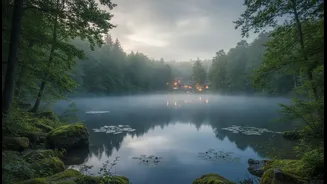
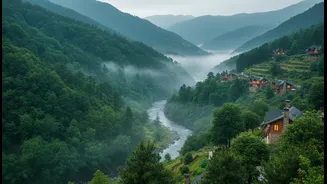
In an age of social media, unique experiences are a form of social currency. While a photo from a popular resort is common, a story about navigating a rain-drenched trail to a remote monastery or a mist-covered sacred grove is far more compelling. Young travellers are drawn to the thrill of the unconventional and the sense of discovery that comes with exploring lesser-known places. Spiritual trails like those in Tirthan Valley, Ziro Valley, or Chopta offer this sense of adventure. These journeys are not just about the destination but the entire experience—the challenges, the solitude, and the unexpected moments of beauty—that make for a powerful personal narrative.