







Decoding the Colours of the Monsoon
The India Meteorological Department (IMD) uses a simple colour-coded system to issue weather warnings. Understanding these alerts is the first step to planning your day. A 'Green' alert means all is well. A 'Yellow' alert, which the IMD issued for Delhi
on July 2, 2026, means 'Be Aware'; it signals the possibility of bad weather and asks you to stay updated. An 'Orange' alert means 'Be Prepared' for potentially disruptive weather, including waterlogging and traffic snarls. The most serious is a 'Red' alert, which means 'Take Action'. A red alert, issued for parts of the morning on July 2, signifies a high risk to life and property, and authorities advise staying indoors.
Where to Find Reliable Alerts
For real-time updates, rely on official sources. The IMD's website and its 'Mausam' app provide the most accurate forecasts and warnings. The department also disseminates information through its social media handles. Following the official Delhi Traffic Police accounts on social media can also provide crucial, real-time updates on waterlogged areas, diversions, and traffic congestion, helping you avoid getting stuck for hours. Many news outlets also provide live updates based on IMD's advisories.
Rethinking Your Daily Commute
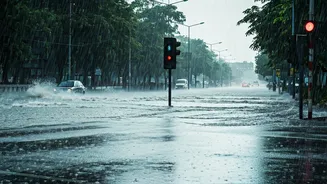
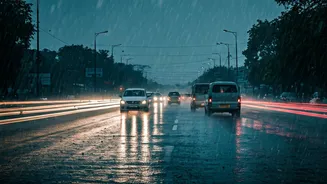
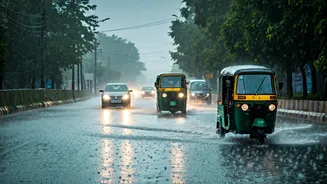
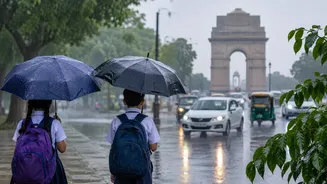
Heavy rain in Delhi-NCR almost guarantees traffic disruption. Even moderate showers can lead to severe waterlogging, especially in known hotspots like the Zakhira flyover, Minto Road bridge, and various underpasses in Delhi, Gurugram, and Ghaziabad. If an orange or red alert is issued, consider delaying your travel or working from home if possible. If you must travel, budget significant extra time. Using the Delhi Metro is often the most reliable option during heavy downpours, as it is less affected by road waterlogging. If driving, avoid low-lying areas and underpasses, which can flood quickly and dangerously. Always have a power bank for your phone, as long traffic jams can drain your battery.
At Home and at Work
Rain alerts aren't just for commuters. Heavy rain and strong winds can lead to power outages and internet disruptions. At home, ensure you have backups like power banks and emergency lights charged. Check for any leaks and secure loose items on balconies. At the office, keeping a spare set of dry clothes and footwear can be a lifesaver. Companies should also use these alerts to make timely decisions about implementing work-from-home policies to ensure employee safety and productivity. The monsoon season also sees a rise in vector-borne diseases, so take precautions to prevent water stagnation around your home.
Planning Errands and Outings
A yellow or orange alert is a good cue to reconsider non-essential trips. That quick run to the market can turn into a long, frustrating ordeal. Try to consolidate your errands and plan them for days with a 'green' alert or during windows when rainfall is not predicted. Many delivery services apply surge pricing during heavy rain, so planning your orders in advance can save you money and ensure more reliable service. While a rainy day might seem perfect for exploring the city's monuments or parks, severe weather warnings should take precedence to ensure your safety.