



The Perfect Autumn Planting Window
October is a dream month for gardeners across India. The harsh summer heat has passed, and the heavy monsoon has washed the landscape clean, leaving behind soil that is moist and workable. This unique combination of warm soil and cooler air creates the ideal
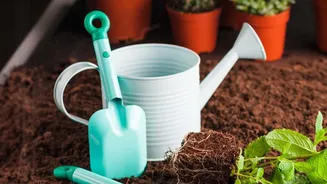
environment for seeds to germinate and young plants to establish strong roots before the peak of winter. It's a 'Goldilocks' period—not too hot, not too cold—that signals the start of a long and fruitful growing season. This transitional climate also means fewer aggressive pests and fungal diseases that often plague gardens during the humid monsoon months, giving new plantings a healthier start. Cleaning up monsoon debris, loosening the compacted soil, and enriching it with compost are the first steps to preparing for this colourful new phase.
Chrysanthemums: The Undisputed Queens of Autumn
Often called the 'Queen of Autumn', chrysanthemums (or 'Guldavari') are synonymous with the season. These flowers begin to truly shine as the days get shorter and temperatures drop, making October a critical month for their care and display. While many varieties are best planted during the monsoon to establish roots, October is when they start their main blooming period, which can last right through winter to February. Chrysanthemums come in a breathtaking array of types, from the daisy-like singles to the large, decorative pompons and spidery quills. To get the most out of them, they need a spot with at least five to six hours of daily sunlight and well-drained soil to prevent root rot. For plants already in the garden, this is the time to ensure they are getting enough light and are fed regularly to support their spectacular flowering season.
Marigolds: Golden Blooms for Festivity and Function
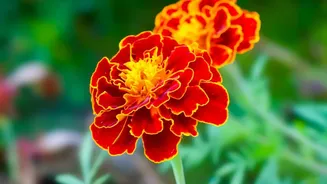
No Indian autumn garden is complete without the cheerful, sunny presence of marigolds ('Genda'). October is famously known as 'the month of marigolds' for good reason. Sowing seeds in late September or early October ensures they will be in full, glorious bloom just in time for Diwali and other autumn festivals, where their vibrant orange and yellow hues are essential for garlands and decorations. Beyond their cultural importance, marigolds are incredibly practical and easy for beginners to grow. They thrive in the post-monsoon conditions, soaking up the mellow sun. These hardy flowers are also known for being natural pest repellents, helping to protect vegetable patches from harmful nematodes in the soil. Whether you choose the tall, large-flowered African marigolds or the compact French varieties, they offer a reliable burst of colour with minimal fuss.
Your Simple October Care Guide
Getting these autumn beauties to flourish is straightforward. For both chrysanthemums and marigolds, choose a spot that receives full sun. The soil should be well-drained; adding a generous amount of compost or well-rotted manure will provide the nutrients they need for a strong start. When watering, keep the soil consistently moist but never waterlogged, which is a common mistake. A good rule of thumb is to water when the top inch of soil feels dry. For chrysanthemums already preparing to bloom, a balanced liquid fertiliser can encourage a more prolific display. For marigolds, avoid over-fertilising, as this can lead to more leaves and fewer flowers. Finally, removing faded or dead flowers—a practice known as deadheading—will encourage the plants to produce more blooms and extend their flowering season well into the winter.