





Why Your Gut Microbiome Matters
Think of your gut as a thriving city of trillions of tiny organisms, including bacteria, fungi, and viruses. This community is known as the gut microbiome. A healthy and diverse microbiome is crucial for your overall well-being. These microbes help break
down food your body can't digest on its own, produce essential vitamins, protect against harmful bacteria, and even regulate your immune system. When the balance of good and bad bacteria is right, your body functions optimally. However, factors like stress, a diet high in processed foods, and a lack of dietary fiber can disrupt this delicate ecosystem, potentially leading to digestive issues and inflammation.
The Problem with Polished White Rice
For many households in India, white rice is a daily staple. It's comforting, versatile, and quick to cook. However, during the polishing process, the outer layers of the rice grain—the bran and germ—are removed. This process strips away most of the dietary fiber, vitamins, and minerals. What's left is a simple carbohydrate that is quickly digested, which can lead to spikes in blood sugar. From a gut health perspective, the lack of fiber is the main issue. Fiber is the primary food source for your beneficial gut bacteria. Without it, these friendly microbes can starve, allowing less desirable bacteria to take over.
Meet the Alternatives: Foxtail and Sorghum Millets
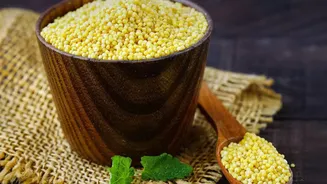
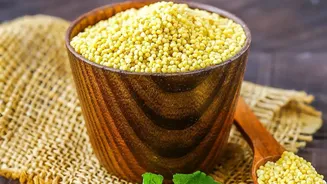
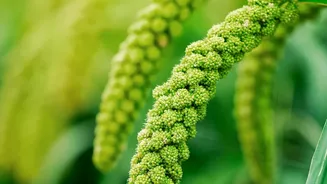
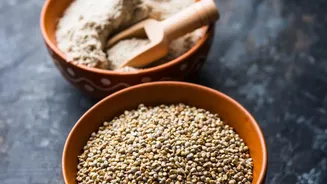
Enter the ancient grains: foxtail millet (kangni) and sorghum (jowar). These hardy crops have been part of Indian diets for centuries and are now making a comeback for their impressive nutritional profiles. Compared to white rice, both are nutritional powerhouses. Foxtail millet, for instance, is significantly richer in protein and minerals like iron and calcium. Sorghum is packed with antioxidants and potassium. But their most significant advantage for gut health is their high fiber content. Both millets contain a mix of soluble and insoluble fiber, which play different but equally important roles in digestion and gut health.
How Millets Fuel a Healthy Gut
The fiber in foxtail and sorghum millets acts as a prebiotic. This means it passes through the digestive system undigested until it reaches the colon, where it becomes food for your beneficial gut bacteria like Bifidobacterium and Lactobacillus. As these good bacteria feast on the fiber, they ferment it and produce short-chain fatty acids (SCFAs). These SCFAs are miracle workers for your gut. They help maintain the integrity of your gut lining, reduce inflammation, and improve the absorption of nutrients. This process not only promotes regular bowel movements and prevents constipation but also fosters a diverse and resilient microbial community, which is linked to a stronger immune system and better overall health.
Making the Simple Switch
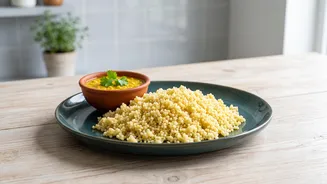
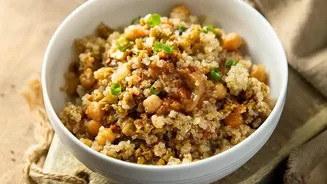
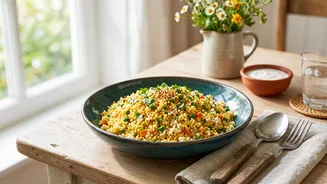
Incorporating foxtail and sorghum millets into your diet is easier than you might think. You can use them as a direct substitute for rice in many dishes. Start by replacing one of your daily rice meals with a millet alternative. To cook them, rinse the grains thoroughly and soak them for a few hours; this helps soften them and reduces cooking time. Generally, you can cook them in a pot with a 1:2 or 1:3 ratio of millet to water, simmering until the water is absorbed. They can be served with dal, curries, and sabzis, just like rice. You can also get creative and use them to make upma, khichdi, porridge, or even lemon rice. Their slightly nutty flavor adds a new and pleasant dimension to familiar meals.