

The Most Ambitious Goal Yet
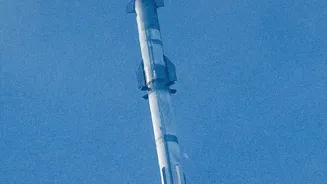
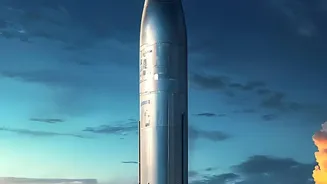
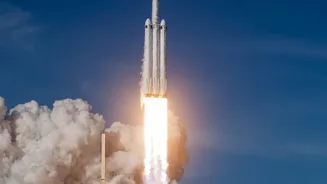
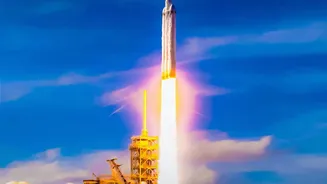
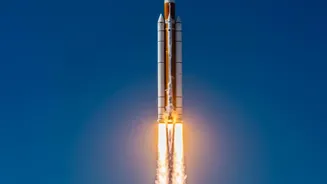
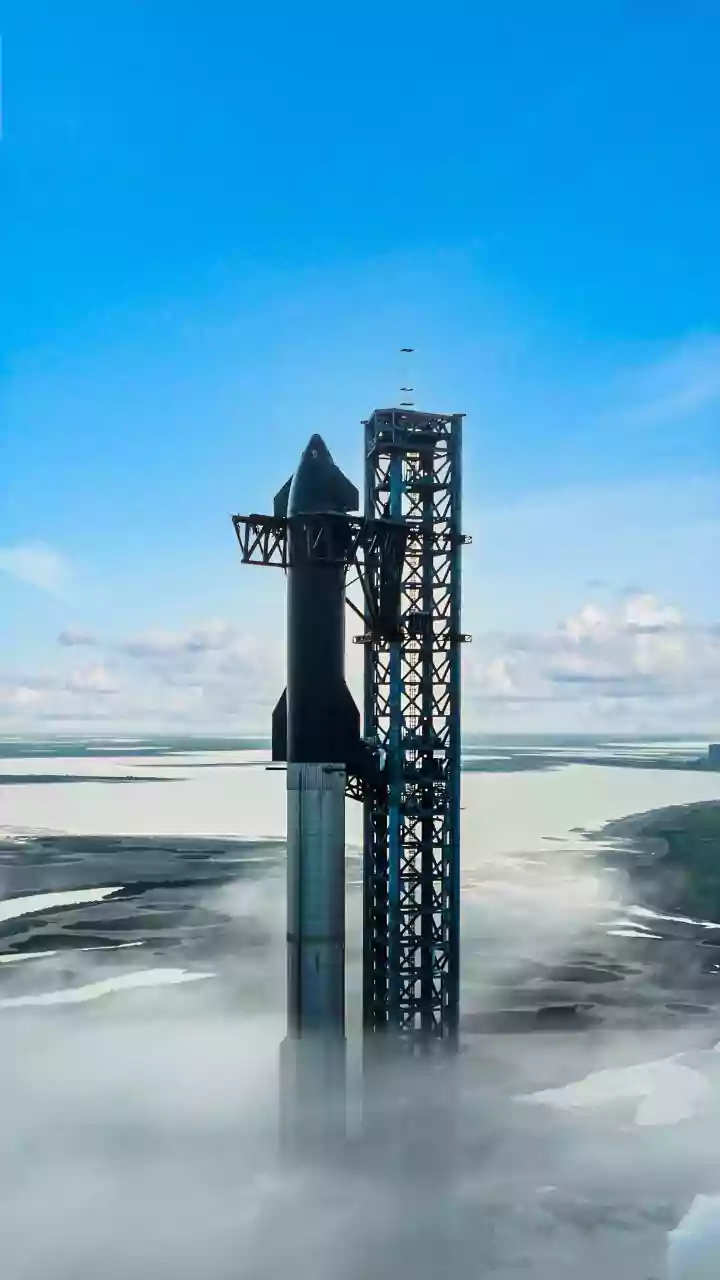
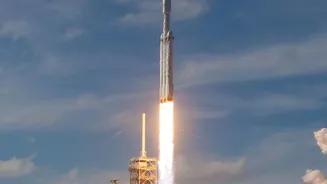
On November 13, 2026, SpaceX launched its 15th integrated Starship test flight from Starbase, Texas. The mission had a breathtakingly ambitious goal: for the first time, to recover both the Super Heavy booster and the Starship upper stage by 'catching'
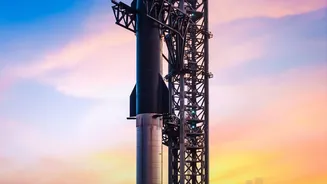
them with the launch tower's giant mechanical arms. This 'double catch' would be a monumental step towards a fully and rapidly reusable rocket system, something never before achieved in spaceflight history. The plan was for the massive Super Heavy booster to return to the launch site just minutes after liftoff, followed by the Starship upper stage completing a 22-hour orbital journey before its own catch attempt. While SpaceX had successfully caught boosters on three previous flights, this mission aimed to prove the entire system could be recovered.
What Went Wrong with the Booster
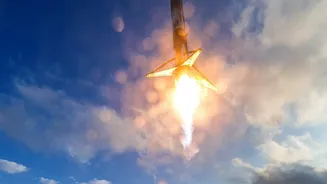
While the launch and stage separation went according to plan, the booster's return did not. During its descent, the Super Heavy's onboard guidance, navigation, and control (GNC) system detected an anomaly and triggered an automated abort. This safety protocol is designed to protect the ground infrastructure at all costs. Instead of heading for the tower's 'chopstick' arms, the booster diverted its course for a controlled splashdown in the Gulf of Mexico. Early indications from SpaceX suggest the boostback burn, which slows the booster and directs it back to the launch site, ended early due to a low fuel mass alarm. The system recognized the booster was not in the correct position to safely attempt the catch and made the correct call to abort. The booster then performed its landing burn over the water before its flight termination system was intentionally activated, resulting in a fiery explosion to safely dispose of remaining propellant.
A Historic Success Amid the Setback
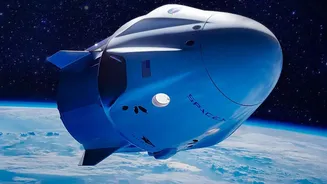
The aborted booster catch was only half the story. The mission's primary objective shifted to the Starship upper stage, which successfully reached orbit, deployed 26 Starlink satellites, and spent over 22 hours in space. The following day, on November 14, the world watched as the Starship spacecraft executed a flawless atmospheric reentry and navigated itself back to Starbase. In a historic first, the launch tower's mechanical arms closed around the vehicle, catching an orbital-class upper stage for the first time ever. This achievement is a massive milestone, proving that the most complex part of the recovery system works. While the double-catch was missed, the successful recovery of the Starship itself provided invaluable data and marked a huge leap forward for SpaceX's long-term vision.
Why This Isn't a Total Failure
In the world of experimental rocketry, a setback is not the same as a failure. SpaceX operates on an iterative philosophy: test, fly, learn, and repeat. Each flight, whether it meets all objectives or not, provides critical data that informs the next attempt. The automated abort of the booster catch demonstrated that the safety systems worked exactly as designed, prioritizing the protection of the launch pad over a risky recovery attempt. The mission still succeeded in its key goals of getting the upper stage to orbit, deploying a payload, and achieving the unprecedented catch of the ship. According to CEO Elon Musk, the booster issue was related to a 'slight underperformance of engines' but does not change the overall timeline for achieving full reusability. The loss of the booster is a cost, but the knowledge gained from the entire flight is considered far more valuable.