

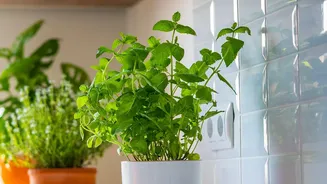

Your Indoor Herb Garden Essentials
Starting an indoor herb garden is simpler than you might think. You don't need a large balcony or expensive equipment. All that's required is a sunny windowsill, the right containers, and good-quality soil. The key to success is choosing pots with drainage
holes at the bottom. This prevents water from logging at the roots, which is a common reason for indoor plants failing. Terracotta or ceramic pots are excellent choices as they are breathable. For soil, always opt for a light, well-draining potting mix from a nursery. Avoid using heavy garden soil, which compacts easily and can suffocate the roots. A mix containing coco peat, perlite, or vermiculite is ideal as it retains moisture while allowing roots to breathe.
Growing Tulsi: The Queen of Herbs
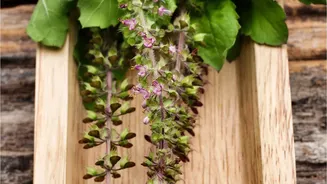
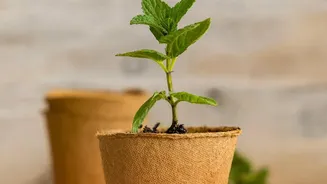
Tulsi, or Holy Basil, is a treasured plant in many Indian households and can be grown indoors with a bit of care. It loves warmth and sunlight, so a south-facing windowsill where it can receive at least four to six hours of sun is perfect. During the harsh North Indian winter, it's crucial to protect Tulsi from the cold. If temperatures drop below 10-15°C, it's best to bring the plant indoors. Water your Tulsi plant only when the top inch of the soil feels dry; overwatering during winter is a common mistake and can lead to root rot. You can start from seeds or a small sapling from a local nursery. While growing, pinch off the flower buds (manjari) to encourage bushier leaf growth.
Cultivating Mint: The Vigorous Grower
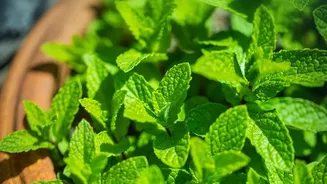
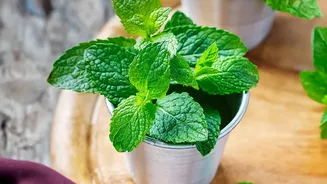
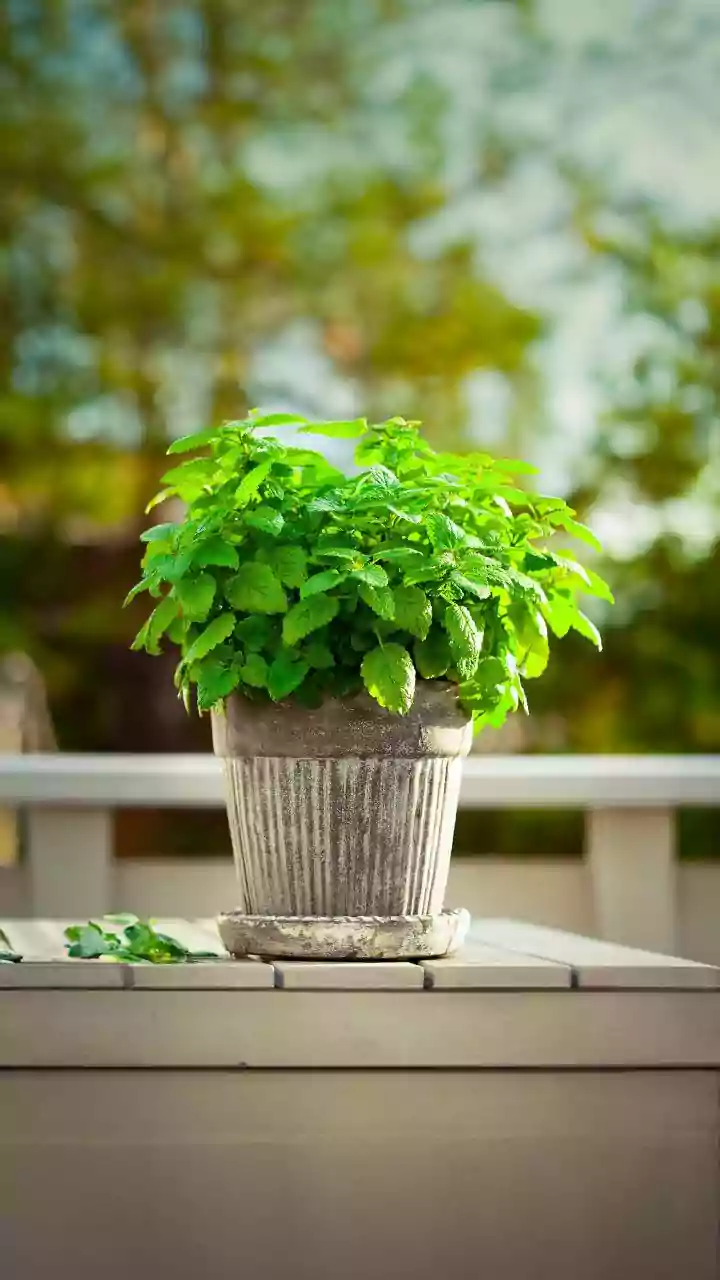
Mint is one of the easiest and most rewarding herbs to grow in a container. Its natural tendency to spread aggressively in a garden bed makes it perfectly suited for the confines of a pot. A single plant in an 8 to 10-inch wide pot can provide a steady supply of fresh leaves. Mint is more tolerant of lower light than Tulsi but will still be happiest with several hours of daily sun. Keep the soil consistently moist but not waterlogged. Check the top inch of soil, and if it's dry, it's time to water. You can bring a potted outdoor mint plant inside for the winter or start a new one from a cutting. Regular harvesting is key; snipping the top leaves encourages the plant to become bushier and more productive.
Sowing Coriander for Fresh Dhania
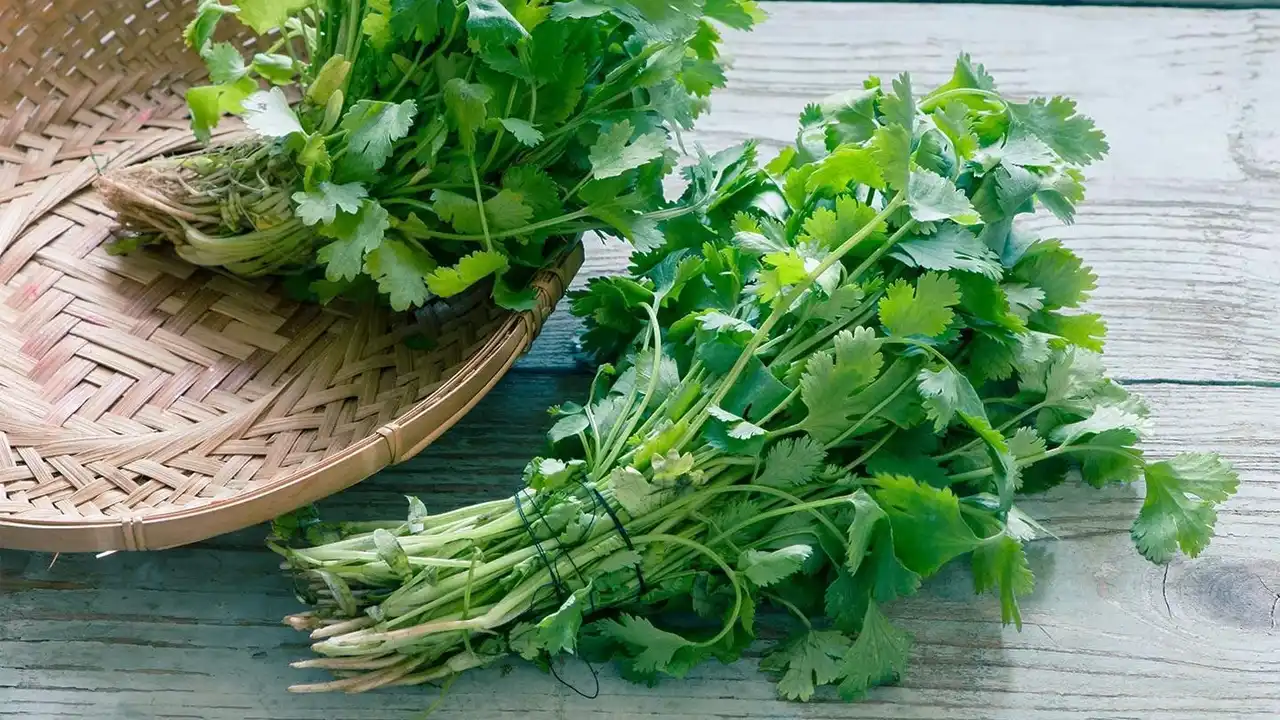
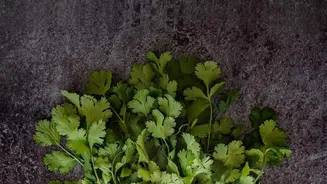
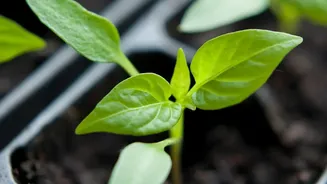
There's nothing quite like the taste of fresh dhania, and growing it indoors is straightforward. Coriander grows best in the cooler months, making it an excellent choice for a winter garden. It needs about three to four hours of direct sunlight. Unlike Tulsi and Mint, Coriander is usually grown from seeds. For better germination, lightly crush the whole coriander seeds to split them in half and soak them overnight before sowing. Sprinkle the seeds in a wide, relatively shallow pot (6-8 inches deep is sufficient) filled with potting mix and cover them with a thin layer of soil. Keep the soil moist until the seeds sprout. Coriander grows quickly, and you can expect your first harvest in about 30-40 days. Simply snip the outer leaves as needed, allowing the inner leaves to continue growing.
General Care and Harvesting
Once your windowsill garden is set up, a few simple routines will keep your herbs healthy. Rotate the pots every few days so that all sides of the plants get an even amount of light, preventing them from becoming leggy. Be mindful of watering; indoor plants need less water in winter as the soil dries out more slowly. Also, keep plants away from cold drafts from windows or hot, dry air from heaters, as this can stress them. When it's time to harvest, do it regularly. For Tulsi and Mint, pinching the stems from the top promotes fuller growth. For Coriander, cut the outer leaves first. This frequent pruning not only gives you fresh herbs for your kitchen but also signals the plant to produce more, ensuring a continuous and flavourful supply all winter.