


What Exactly Is Fermented Rice Water?
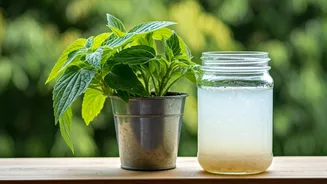
At its core, fermented rice water is simply the cloudy liquid left behind after you rinse rice before cooking. Instead of being poured down the drain, this starchy water is collected and allowed to sit for a few days. During this time, natural microbes
present in the environment begin to break down the starches and proteins in the water. This fermentation process creates a nutrient-rich liquid with a slightly sour smell, similar to yogurt or other fermented foods. This practice isn't new; it's a traditional, age-old technique used in many parts of Asia for everything from hair care to, you guessed it, plant care. It represents a sustainable, zero-waste approach to gardening, turning a common kitchen byproduct into 'liquid gold' for your plants.
The Science Behind the 'Secret'
So, what makes this simple concoction so effective? The magic lies in the fermentation. The process enriches the water with beneficial microorganisms, primarily Lactobacillus bacteria. These microbes help create a healthy soil environment, making it easier for plant roots to absorb nutrients. Furthermore, the fermented water contains a mild dose of essential macronutrients: Nitrogen (N), Phosphorus (P), and Potassium (K), which are crucial for leaf growth, root development, and overall plant vigour. It also contains trace minerals like calcium, magnesium, and iron. Unlike concentrated chemical fertilisers that can cause root burn if used incorrectly, fermented rice water acts as a gentle, slow-release tonic that nourishes both the plant and the soil it lives in.
How to Make Your Own Batch
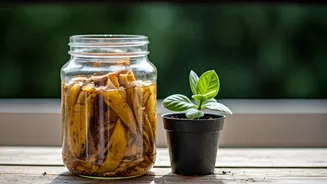
Creating your own fermented rice water is incredibly simple and requires no special equipment. Follow these easy steps: 1. **Collect the Water:** The next time you wash rice (any kind will do, but plain, uncooked rice is best), collect the first or second rinse water. This initial rinse contains the most starch. Avoid using water from rice that has been salted or seasoned. 2. **Store It:** Pour the rice water into a glass jar or plastic container. Do not seal the lid tightly. You can cover it loosely with the lid or with a piece of cloth secured by a rubber band. This allows gases produced during fermentation to escape. 3. **Let It Ferment:** Leave the jar at room temperature, away from direct sunlight. The fermentation time can vary depending on the temperature, but it typically takes anywhere from 3 to 7 days. You'll know it's ready when it develops a slightly sour, milky smell. It should not smell rotten or putrid; if it does, it's best to discard it and start over.
Proper Application for Balcony Plants
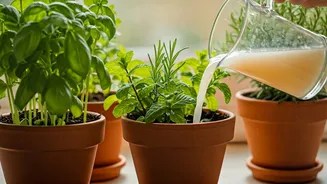
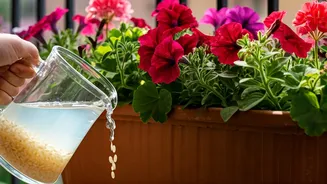
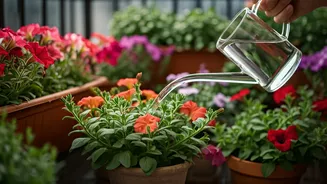
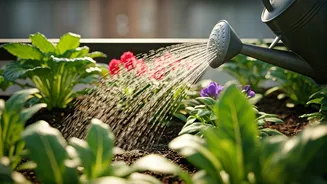
Using fermented rice water correctly is key to reaping its benefits without causing any harm. The most important rule is to always dilute it. The fermented liquid is acidic and can be too potent for your plants on its own. * **Dilution Ratio:** A good starting point is a ratio of 1 part fermented rice water to 5-10 parts plain water. For more sensitive plants, you might want to dilute it even further (1:15 or 1:20). * **Application Method:** Use the diluted mixture to water your plants at the soil level. Pour it directly onto the soil around the base of the plant, just as you would with regular water. Avoid spraying it on the leaves, as the acidity and organic matter can sometimes encourage fungal issues or attract pests. * **Frequency:** Treat this as a supplement, not a daily watering solution. Using it once every two to four weeks during the growing season is usually sufficient to give your plants a gentle boost.
A Few Important Precautions
While fermented rice water is a wonderful natural fertiliser, it's not a cure-all. Keep these points in mind for the best results. Firstly, it complements but does not replace the need for good quality potting soil, adequate sunlight, and proper watering. Secondly, always start with a more diluted solution to see how your plants react before making it stronger. Pay attention to your plants. If you notice any negative signs like yellowing leaves or a foul smell from the soil, stop using it and revert to plain water. Finally, be aware that the organic nature of the solution might occasionally attract gnats or other small insects, so monitor your plants closely after application.