



Dreaming of a lush, green escape but only have a small urban balcony? Vertical gardens are the space-saving solution, turning bare walls into vibrant, living works of art. Let's explore how you can create your own green oasis, right outside your door.
What is a Vertical Garden?
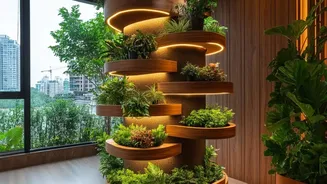
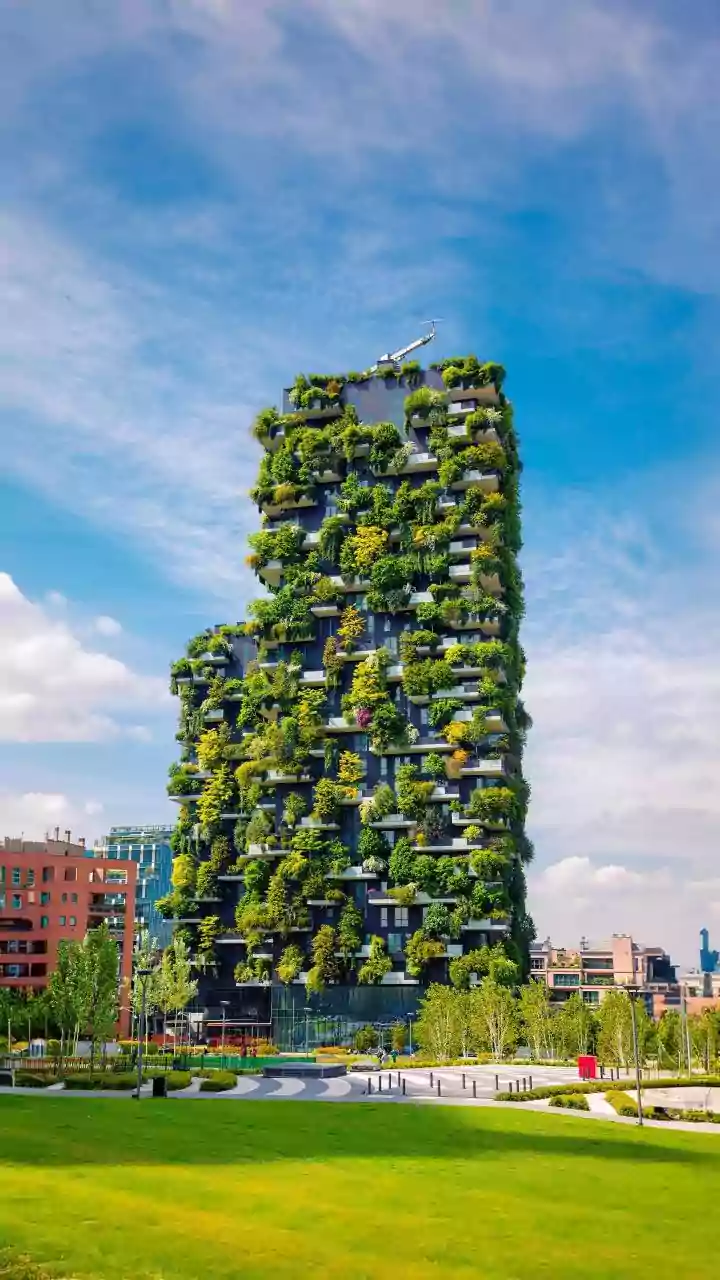
A vertical garden is a method of growing plants on a vertically suspended panel or wall, either by using a frame, pockets, or containers. Instead of spreading out across the floor, plants grow upwards, making it an incredibly efficient way to introduce greenery into areas where ground space is a luxury. This technique transforms forgotten surfaces like balcony walls and railings into thriving ecosystems, perfect for city dwellers in apartments and compact homes. You can grow everything from decorative foliage and flowers to fresh herbs and vegetables. These 'living walls' are not just about aesthetics; they are functional, productive, and a clever way to reconnect with nature.
The Benefits of Going Green Vertically
Beyond saving space, vertical gardens offer a host of advantages. They can significantly improve local air quality by absorbing carbon dioxide and releasing oxygen. A wall of plants acts as natural insulation, helping to cool your home and balcony area, which is a welcome relief during India's hot summers. This cooling effect helps combat the 'urban heat island' phenomenon, where cities are much warmer than surrounding areas. These green walls also support urban biodiversity by providing a habitat for birds and beneficial insects. Furthermore, the act of gardening itself is therapeutic, known to reduce stress and improve mental well-being by creating a tranquil, green retreat from city life.
Choosing Your Vertical Garden System
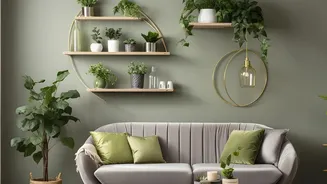
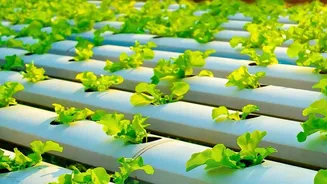
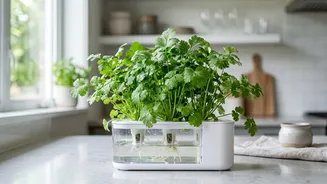
Several types of vertical garden systems are available, suiting different needs and budgets. Fabric pocket planters are lightweight, easy to install, and great for beginners. Modular wall panels offer flexibility, allowing you to arrange individual pots in a grid. For a DIY approach, you can repurpose a wooden ladder, trellis, or even a pallet to hold your pots. Freestanding tiered shelves are another excellent no-drill option that uses vertical space effectively. For those serious about growing food, a hydroponic tower, which circulates nutrient-rich water, can offer high yields in a very small footprint. Before choosing, consider your wall's strength and whether your building has rules about attaching fixtures.
Best Plants for Indian Balconies
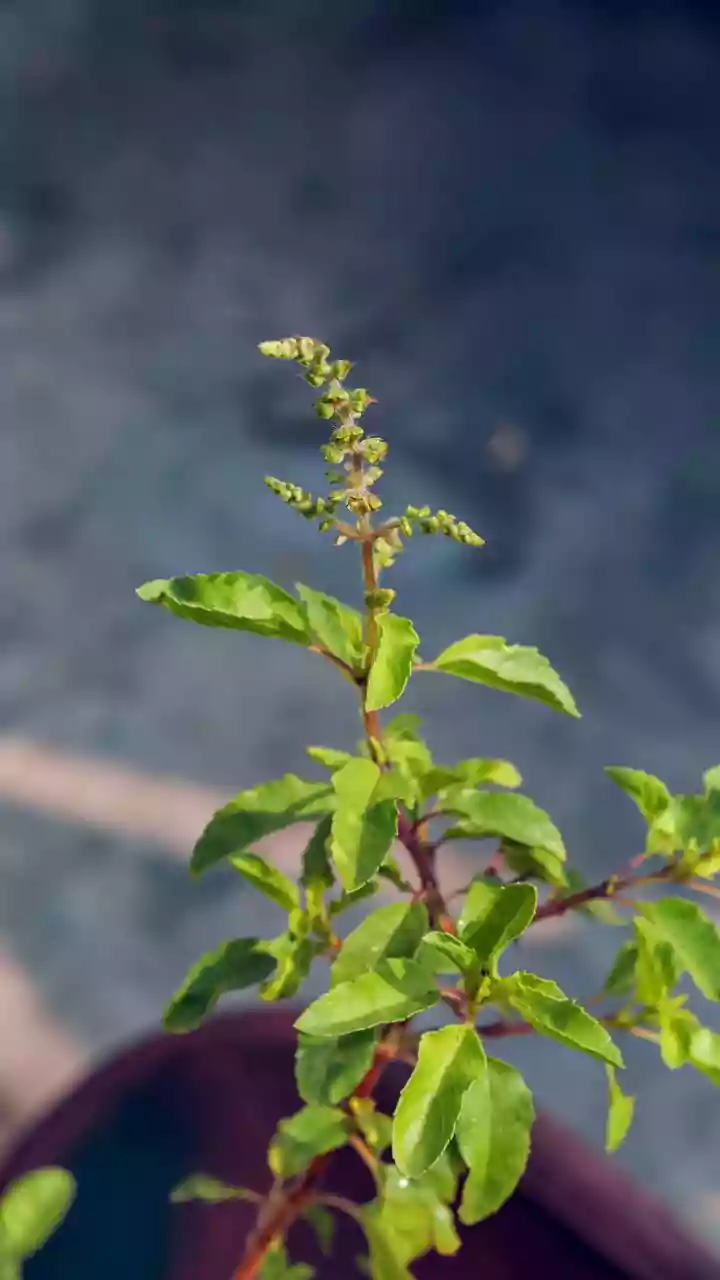
The key to a successful vertical garden is choosing plants that match your balcony's sunlight exposure. For sunny, hot balconies, choose heat-tolerant species like Portulaca, Vinca (Sadabahar), and dwarf Bougainvillea. For balconies that are partially or fully shaded, Money Plant (Pothos), Philodendron, Spider Plant, and various ferns like the Boston Fern thrive. These are hardy, adapt well, and many have beautiful trailing habits. If you want an edible garden, herbs like mint and basil, and leafy greens like spinach (palak) and lettuce, grow well with a few hours of sun. Always use a lightweight potting mix, often containing cocopeat and perlite, rather than heavy garden soil.
Installation and Maintenance Tips
Before you begin, observe your balcony to understand where the sun hits and for how long. When installing, ensure any system attached to a wall is secure and, if necessary, use a waterproof backing to protect the masonry. Watering is crucial, as vertical planters can dry out faster than pots on the ground, especially those at the top. Check the soil moisture daily during hot weather. An automated drip irrigation system can make this much easier, delivering water efficiently to each plant. Regularly check for pests and prune plants that are overgrowing or crowding their neighbours to ensure good air circulation. Avoid fertilising or heavy pruning during extreme heat, as this can stress the plants.