







The World's First City of Literature
Before you even start plotting a route, it helps to know what you’re stepping into. In 2004, Edinburgh was designated the world's very first UNESCO City of Literature, a title that recognizes its incredible literary heritage, vibrant contemporary scene,
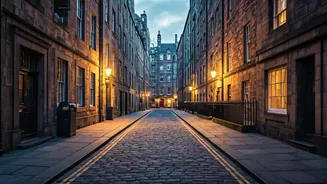
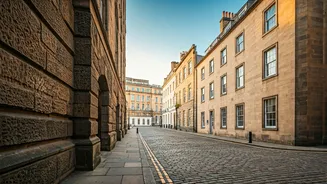
and deep-rooted love for the written word. This isn't just a city with a few famous authors; it’s a city where stories are etched into the cobblestones. From the gothic alleys that inspired Robert Louis Stevenson to the cozy cafes where J.K. Rowling brought a certain boy wizard to life, the entire landscape feels like a living library. For the budget planner, the best part is that this atmosphere is entirely free to soak in. The city’s walkability and concentration of historic sites make it an ideal destination for those who prefer to explore on foot rather than spend on transport.
Start on The Royal Mile
The spine of Edinburgh’s Old Town, the Royal Mile, is the perfect starting point for any literary trail. This historic thoroughfare connects Edinburgh Castle to the Palace of Holyroodhouse and is packed with history. Tucked away in Lady Stair's Close, just off the Mile, you’ll find The Writers' Museum. This hidden gem is dedicated to three of Scotland’s most famous literary figures: Robert Burns, Sir Walter Scott, and Robert Louis Stevenson. You can see Stevenson’s riding boots, the printing press on which Scott’s Waverley Novels were produced, and portraits of Burns. Best of all? Admission is completely free, making it an essential and cost-effective first stop to ground yourself in the city's literary past.
Wander Through Greyfriars Kirkyard
Cemeteries might seem like a somber choice, but Greyfriars Kirkyard is one of the most atmospheric and historically significant spots in the city. It’s a peaceful, green space that holds centuries of stories. For modern literary pilgrims, it’s become a must-see for its strong connections to the Harry Potter series. J.K. Rowling famously drew inspiration from the headstones for character names, and a quick search will lead you to the final resting places of a certain Thomas Riddell and a William McGonagall. Beyond the Potter connection, the kirkyard is steeped in dramatic Scottish history, including the tale of Greyfriars Bobby, the loyal dog who guarded his owner's grave for 14 years. A statue commemorating him stands just outside the entrance. Exploring the grounds costs nothing but your time.
Find Magic on Victoria Street
A short walk from the Kirkyard is Victoria Street, a curved and colorful lane of multi-hued storefronts that is widely believed to be the inspiration for Diagon Alley. With its eclectic mix of independent shops, old-fashioned booksellers, and quirky boutiques, it’s easy to see the resemblance to the wizarding world’s famous shopping street. While shopping here can be pricey, the real magic is free. Walking down its cobblestoned slope, with the upper-level terrace and stone archways, feels like stepping into a storybook. It’s one of the most photographed streets in Scotland for a reason, and it provides a perfect, cost-free backdrop for anyone wanting to capture the city’s whimsical side.
Toast the Greats in a Literary Pub
In Edinburgh, pubs are more than just watering holes; they are extensions of the city’s social and cultural fabric. Many have direct links to famous authors who drank, debated, and wrote within their walls. For fans of Ian Rankin’s Inspector Rebus series, a visit to The Oxford Bar is a pilgrimage. For a taste of historical intrigue, stop by Deacon Brodie’s Tavern on the Royal Mile, named for the respectable 18th-century craftsman whose secret life of crime inspired Stevenson's *Strange Case of Dr. Jekyll and Mr. Hyde*. While a night out can get expensive, nursing a single pint of local ale in one of these historic establishments is an affordable way to connect with the city's living literary spirit.