



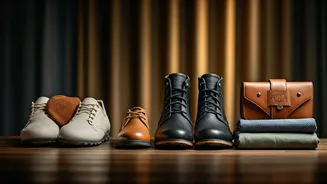



Fabric is Your First Defence
The single most important decision for monsoon dressing is fabric. Heavy materials that absorb water are your worst enemy, as they take ages to dry in the humid air and can leave you feeling damp and uncomfortable. Instead, build your wardrobe around
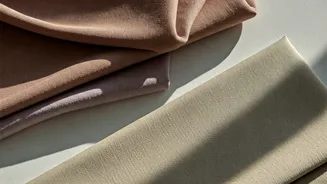
lightweight, breathable, and quick-drying materials. Fabrics like georgette, crepe, rayon, and viscose are excellent choices as they don't cling to the body and dry quickly. While pure, heavy cotton can absorb and hold moisture, lighter cottons and cotton-polyester blends offer the breathability of cotton with the faster drying time of synthetics, making them a practical compromise. Nylon and polyester are also great, especially for outerwear like raincoats, due to their water-resistant properties. It's best to avoid heavy denim, pure linen which creases badly when wet, and silks that can be permanently damaged by water spots.
Rethink Your Silhouettes
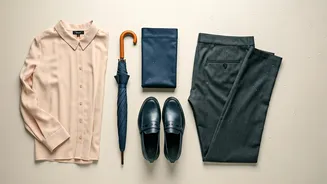
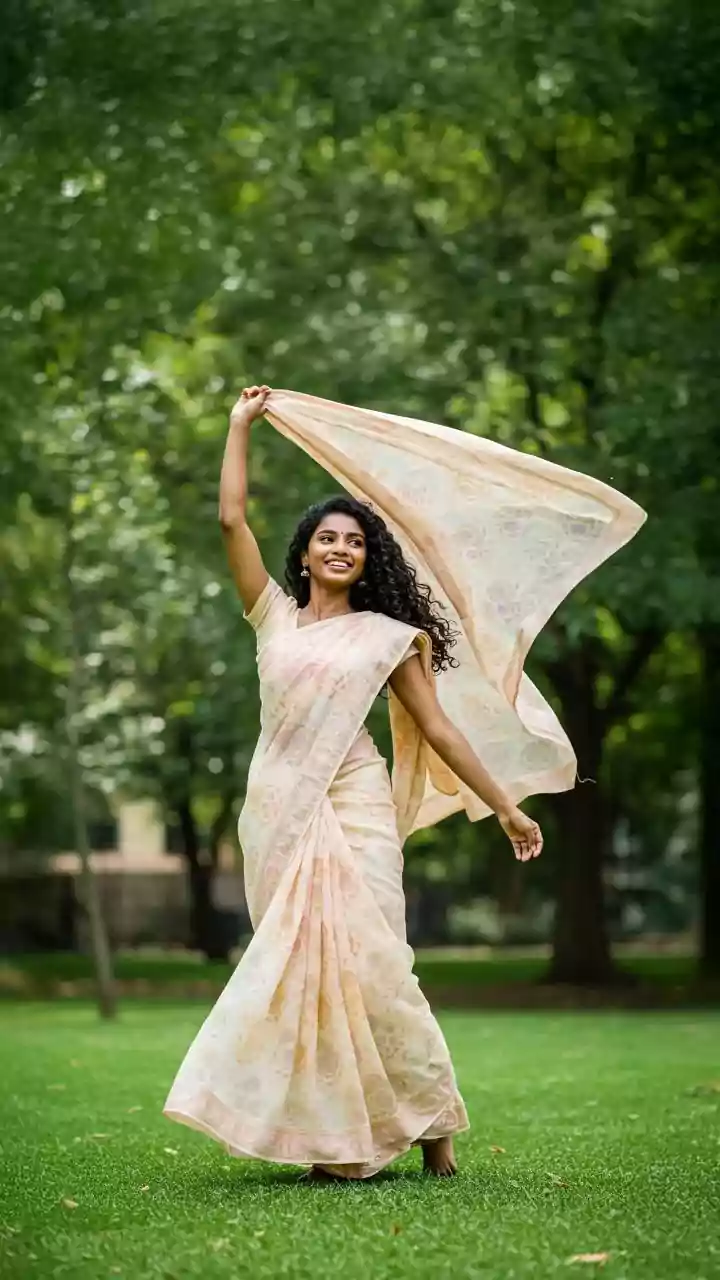
When streets are prone to puddles and mud, long, flowing garments become impractical. This season, shorter hemlines are your friend. Opt for culottes, cropped trousers, knee-length skirts, and midi dresses to avoid dragging your clothes through grime and water. Loose, A-line silhouettes are far more comfortable in high humidity than tight, fitted clothing. Flowy tunics paired with palazzo pants, co-ord sets, and shirt dresses are all stylish and practical options that allow for better air circulation, keeping you cooler. For ethnic wear, consider shorter kurtis and avoid heavy dupattas that can become cumbersome when wet. The goal is to create a look that is easy to move in and won't cling uncomfortably to your skin.
Colour and Prints to Brighten Grey Days
While dark colours are often recommended for their ability to hide mud splashes, the monsoon is actually a perfect opportunity to embrace bright, bold hues. The grey, overcast light makes vibrant shades like cobalt, coral, deep yellows, and greens pop beautifully. Bold prints are also a smart choice as they are effective at camouflaging any accidental stains or water marks. If you prefer darker tones, shades like indigo, olive, and maroon are great alternatives to black, which can absorb heat on humid, sunny days. It might be wise to save your crisp whites and pale pastels for days when you know you'll be staying indoors.
The Right Footwear is Non-Negotiable
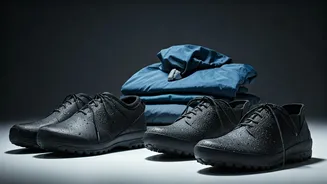
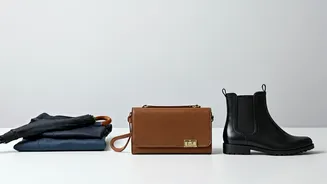
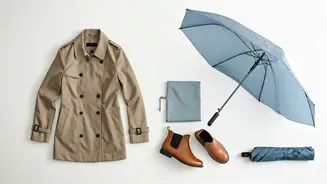
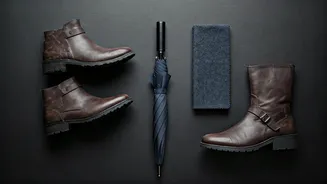
The wrong shoes can be ruined in a single monsoon outing and can lead to slips or fungal infections. It is essential to put away your prized leather, suede, and canvas shoes. Instead, invest in footwear made from rubber, PVC, or other synthetic, waterproof materials. Stylish rubber boots, colourful jelly flats, and sturdy sandals with a good grip are ideal. Look for footwear with flexible, anti-skid soles to navigate slippery streets safely. Open-toed shoes like flip-flops and sliders can work for light rain as they dry quickly, but for heavy downpours or waterlogged areas, closed-toe shoes offer better protection from dirty water.
Smart Care for Damp Clothes
How you care for your clothes is just as important as what you wear. Damp clothes can quickly develop a musty odour or even mould in the monsoon humidity. Try to wash smaller loads more frequently rather than letting damp, dirty clothes pile up. Use your washing machine's spin cycle to remove as much excess water as possible before hanging clothes to dry. When drying indoors, ensure there is enough space between garments for air to circulate. Placing a dehumidifier in the room or using a fan can significantly speed up drying time. Ironing clothes once they are nearly dry can help remove any lingering dampness and kill odour-causing bacteria.