







The Heartbeat of Agriculture Falters
The most immediate impact of changing rainfall is felt in India's fields. With nearly half the population reliant on farming and a significant portion of cropland being rain-fed, the monsoon's predictability is critical. [7, 13, 15] Climate change is making
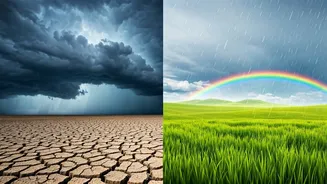
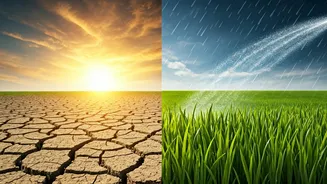
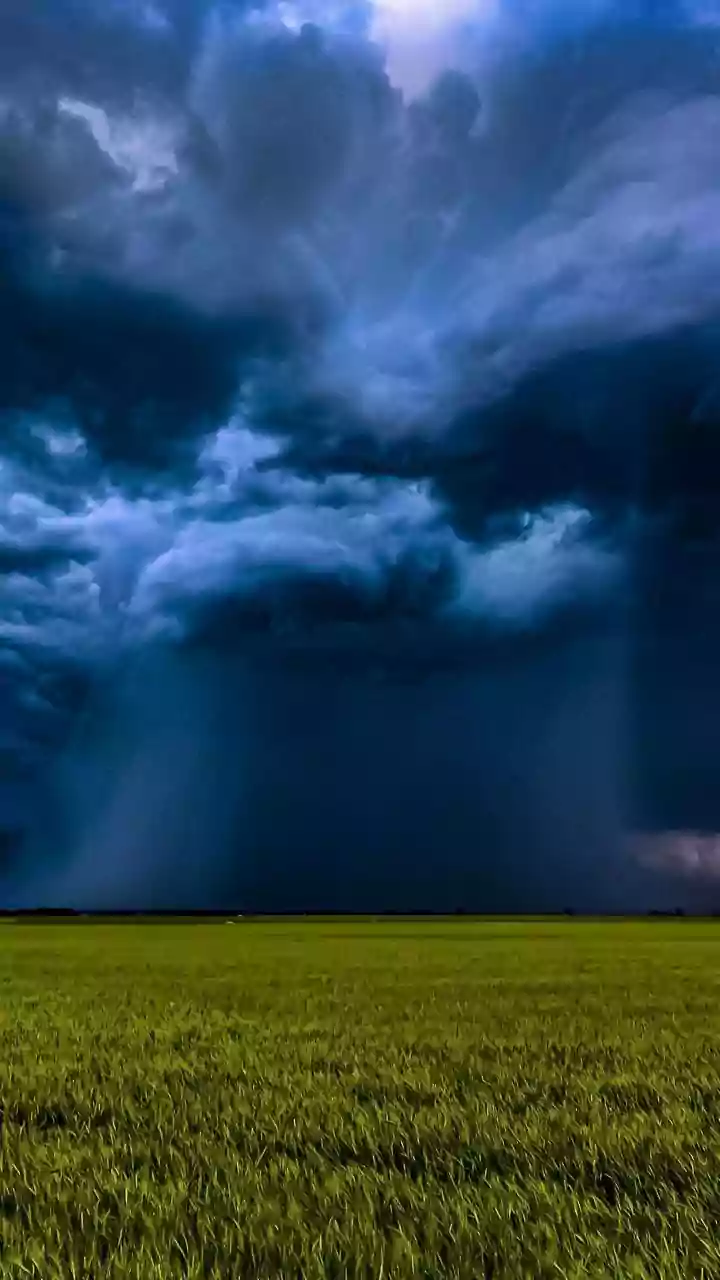
the monsoon more variable, with prolonged dry spells punctuated by sudden, intense downpours. [2, 10] This new pattern of 'too much or too little' disrupts traditional sowing and harvesting cycles. Farmers who plant seeds based on forecasts are finding themselves facing crop failure due to unexpected dry spells. [3] Conversely, sudden deluges can wash away mature crops, leading to massive losses, increased debt, and immense economic and personal distress for millions of farmers. [2, 11]
An Unsettled Economy
The agricultural sector's fortunes are deeply intertwined with the broader economy. A weak monsoon and poor harvest reduce rural incomes, which in turn suppresses demand for goods and services, from tractors to everyday consumer products. [9, 15] This can create a drag on the nation's overall GDP. [8] Furthermore, damage to crops directly fuels food inflation, affecting household budgets across the country. [6, 15] While India's economy has diversified, with the service sector now being a larger contributor, the monsoon's performance remains a crucial factor for economic stability. [9] Its influence dictates food prices, rural prosperity, and consumer sentiment, making it a key variable monitored by policymakers and the Reserve Bank of India. [15]
The Urban Paradox: Floods and Scarcity
The impact of erratic rainfall is starkly visible in India's cities, creating a paradox of simultaneous floods and water shortages. The trend towards short, intense bursts of rain overwhelms aging urban drainage systems, many designed for much lower rainfall intensity. [14, 16] Combined with unplanned urbanisation that has paved over natural water absorption areas like lakes and wetlands, this leads to chronic urban flooding in cities like Mumbai, Bengaluru, and Delhi. [11, 14, 17] At the same time, weak or delayed monsoons fail to adequately replenish the reservoirs and groundwater that cities depend on for drinking water. [10] This has led to severe water restrictions and shortages, impacting everything from daily household needs to construction activities in major economic hubs. [10, 16]
Strains on Energy and Public Health
The consequences of a shifting monsoon also ripple into the energy and health sectors. A significant portion of India's electricity comes from hydropower, which is directly dependent on rivers fed by monsoon rains. [7] Poor monsoons can lead to lower hydropower generation, increasing reliance on more expensive fossil fuels and potentially raising electricity prices. [7] The changing patterns also affect wind energy production. [26] From a public health perspective, these shifts create new challenges. Increased flooding can lead to a rise in water-borne diseases like cholera, while changes in temperature and humidity can expand the habitat for vectors carrying diseases like malaria and dengue. [21, 22, 24]
A New National Challenge
The increasing variability of the monsoon is no longer just an agricultural or meteorological issue; it's a systemic national challenge. The collapse of traditional timing affects everything from reservoir management to public health planning. [24] Districts are increasingly experiencing a 'swapping pattern' of floods and droughts, compounding risks for communities. [25] This new reality demands a fundamental shift in approach, moving from reactive disaster relief to proactive adaptation. It requires investment in climate-resilient infrastructure, modernized water management, improved weather forecasting systems, and policies that support the millions whose livelihoods are on the front lines of this climatic shift. [7, 22]