





The Universe Inside You
First, a quick refresher. Your gut microbiome is the bustling community of trillions of bacteria and other microbes living in your digestive tract. Think of it as a complex internal ecosystem that helps you digest food, supports your immune system, produces
essential vitamins, and even influences your mood. For a long time, the ideal ‘healthy’ gut was described in fairly general terms. But science is now confirming what many have long suspected: there's no single definition of healthy, especially when you look at different populations.
The West’s Dominance in Gut Research
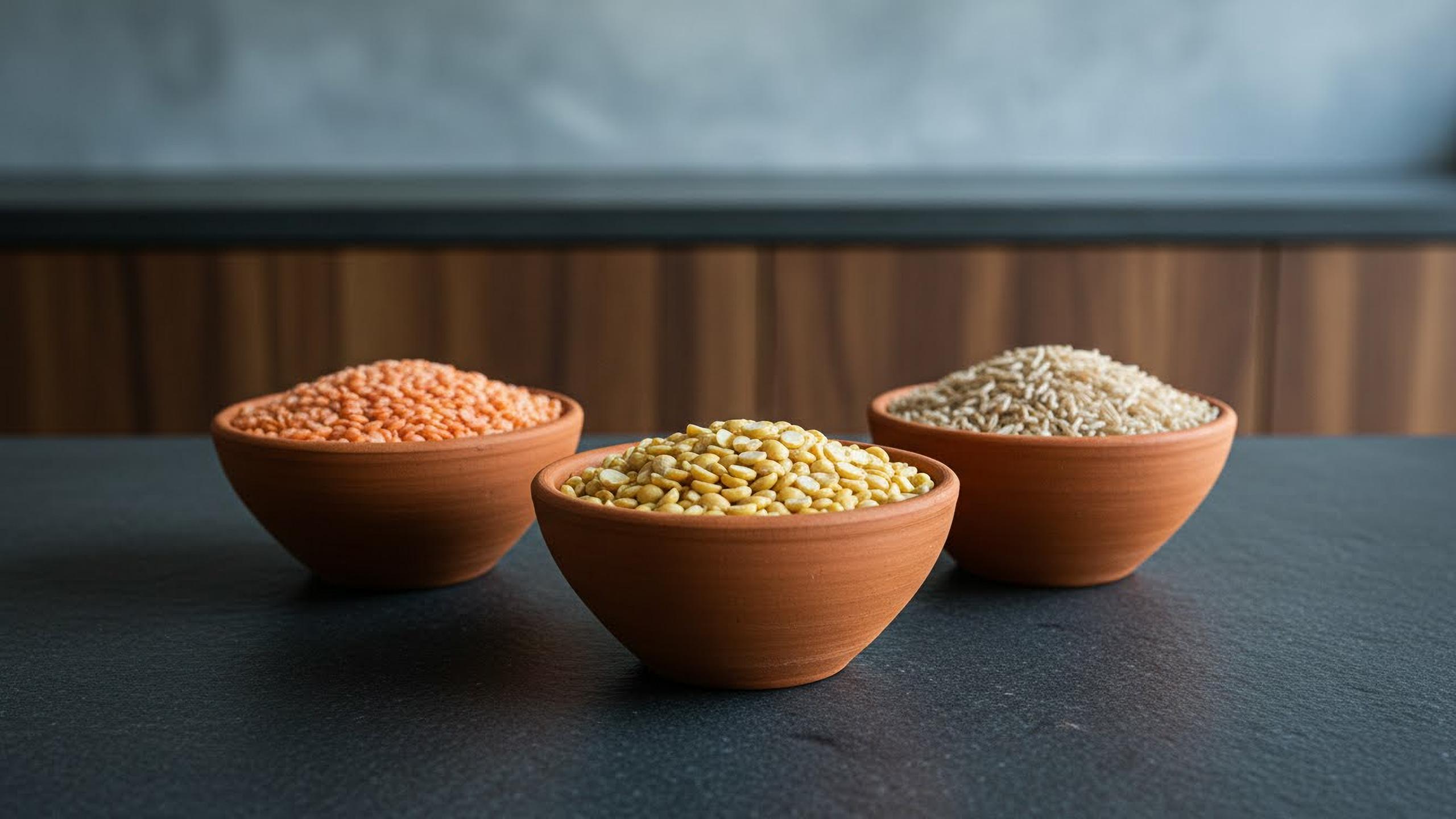
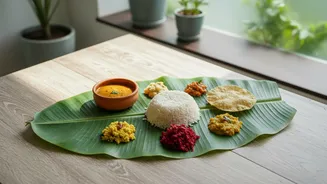
A significant problem in global health research is that it has been overwhelmingly dominated by studies on Western populations. This means that much of the standard advice on diet, probiotics, and gut health is based on the microbiomes of people with different genetic backgrounds, lifestyles, and, crucially, diets. The traditional Indian diet, for example, is rich in fibre, legumes, and spices, which cultivates a very different microbial environment compared to a typical Western diet heavy in meat and processed foods. This has created a major blind spot, offering health recommendations that may be ineffective or ill-suited for a large portion of the world's population.
New Research Shines a Light on India
Recent research, including a major study from July 2026 focusing on tribal communities, is changing the landscape. Led by researchers from India and the US, studies are now mapping the unique features of the South Asian microbiome. One of the most consistent findings is the dominance of a bacteria genus called Prevotella in the Indian gut, which is adept at breaking down the complex carbohydrates and fibres found in plant-based diets. In contrast, Western guts are often dominated by Bacteroides. But it's not just one difference. A study published in Gut Microbes looked at ten different communities across India and Sri Lanka, revealing vast diversity linked to geography and diet. For instance, trans-Himalayan populations that regularly consume dairy and diverse grains showed higher gut diversity and more Bifidobacterium, a microbe known for breaking down carbohydrates.
It’s Not Just What You Eat, It’s Who You Are
This is where it gets personal. The research shows that even within India, individual responses to the same food can vary dramatically. Your unique mix of gut microbes determines how efficiently you digest a chapati versus a bowl of rice, or how your body processes lentils. One person might get a healthy energy boost, while another might experience bloating or a blood sugar spike. This is because different bacteria are better at metabolizing different foods. The studies on tribal and rural versus urban populations further highlight this. As people move to cities and adopt more processed diets, their microbial diversity tends to decrease, and bacteria like Megamonas, which is linked to obesity and metabolic issues, can increase. This suggests our bodies, and our microbes, are adapted to traditional diets, and rapid changes can have health consequences.
The Future of Health Is Personal
This research is the foundation for the future of medicine: personalization. Understanding individual and population-specific microbiomes means we can move beyond generic advice like 'eat more fibre'. Instead, we can get dietary recommendations tailored to our own microbial signature. Imagine receiving a diet plan that knows precisely which foods your gut will handle best, helping to manage everything from digestion and weight to your risk of chronic diseases like diabetes, which is rising rapidly in India. These India-specific studies are critical for developing probiotics and nutritional strategies that actually work for our bodies. It’s about creating a healthcare approach that sees you not as a statistic, but as a unique biological individual.