

The One-Pot Wonder Takes Over
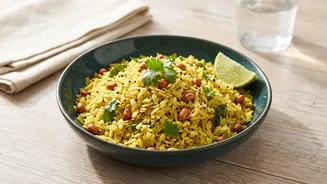
The single biggest shift in workday cooking is the triumphant rise of the one-pot meal. The concept is simple: all your ingredients—grains, protein, and vegetables—cook together in a single vessel, be it a kadai, a pressure cooker, or a deep pan. This
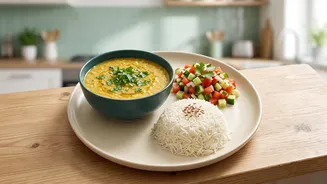
minimizes both cooking time and cleanup. Think of a classic like Khichdi, which is a complete meal in itself, combining rice and lentils to form a complete protein. Modern variations now include adding a medley of vegetables, turning it into a nutrient-dense powerhouse that's ready in under 30 minutes. Other popular one-pot options include vegetable pulao, which can be made in just 15 minutes, and hearty lentil stews that are both comforting and incredibly filling after a long day.
Meal Prep Gets Smarter, Not Harder
Modern meal prep has evolved far beyond just chopping onions and tomatoes for the week. The new strategy is about creating building blocks. This involves preparing multipurpose base gravies (like a simple onion-tomato masala), which can be frozen and used to kickstart a variety of curries, from paneer butter masala to chana masala. Another smart tactic is to pre-cook legumes like chickpeas and kidney beans, or grains like quinoa and millets over the weekend. During the week, these components can be quickly assembled into salads, wraps, or grain bowls. This approach provides the flexibility to create different meals each day without starting from scratch, saving immense time and mental energy while ensuring a balanced diet.
Kitchen Tech Steps Up
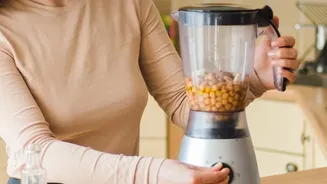
Today's kitchen gadgets are no longer novelties; they are essential tools for the time-poor professional. The air fryer, in particular, has been a game-changer for Indian cooking. It provides the beloved crispy texture of snacks like samosas, tikkis, and kebabs with up to 80% less oil, and in a fraction of the time. You can have perfectly charred paneer tikka ready in about 10 minutes, perfect for a quick wrap. Similarly, the Instant Pot or modern pressure cookers have simplified the process for dishes that traditionally take a long time, like dal makhani or rajma, turning them into feasible weeknight options. These appliances handle the cooking process with minimal monitoring, freeing you up to unwind.
Rethinking the 'Balanced' Meal
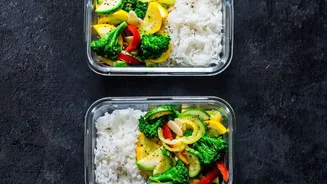
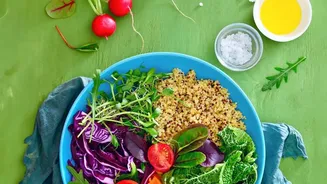
The definition of a healthy workday meal is also getting a makeover. The focus is shifting from complex, multi-dish affairs to single, well-constructed bowls that contain a healthy mix of protein, complex carbohydrates, and vegetables. Think quinoa bowls topped with roasted vegetables and a protein source like paneer or chickpeas, or a simple dal and roti. This 'bowl food' trend aligns perfectly with the need for speed and nutrition. You can easily assemble a sprout salad with protein-rich ingredients or a filling paneer bhurji wrap in under 15 minutes. These meals are designed to provide sustained energy, keeping you full and focused without the post-lunch slump.
Global Inspiration, Local Ingredients
The modern Indian kitchen is becoming more global in its approach, borrowing techniques and flavour profiles while using familiar, local ingredients. This fusion creates exciting meals that break the monotony of daily cooking. For instance, you can whip up a quick Thai-style coconut curry using locally available vegetables and paneer, or assemble Mexican-inspired tacos with a spicy chickpea filling. Even classic dishes are getting a modern twist, like using a Turkish pizza technique to create a Tandoori Paneer 'Lahmacun'. This creative approach makes weeknight dinners feel less like a routine and more like a culinary adventure, all while sticking to a 30-minute timeframe.