

What Exactly Is the Pushkar Mela?
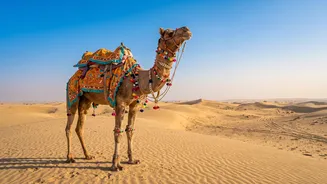
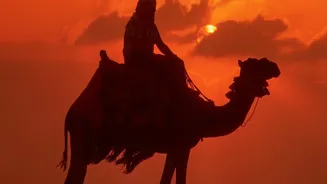
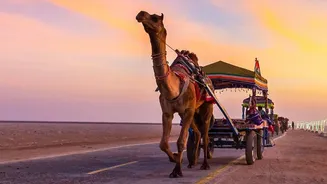
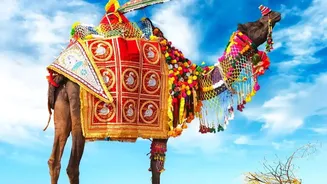
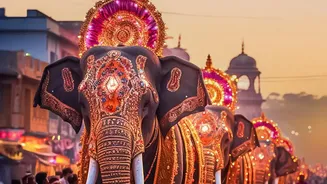
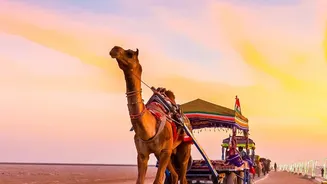
At its heart, the Pushkar Mela is two festivals woven into one. For centuries, it has been one of the world's largest camel and livestock fairs, where herders from across Rajasthan and beyond gather to trade tens of thousands of camels, horses, and cattle.
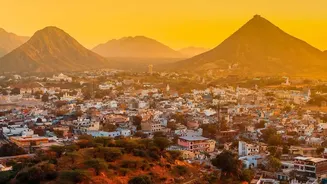
This commercial aspect dominates the early days of the festival, with the fairgrounds buzzing with activity as animals are inspected, decorated, and traded. Running parallel to this is a deeply significant Hindu pilgrimage. The fair is timed to conclude on Kartik Purnima, the full moon night of the Hindu month of Kartik. This makes the small town of Pushkar, with its sacred lake and one of the world's only temples dedicated to the god Brahma, a major spiritual destination.
More Than Just Camels and Commerce
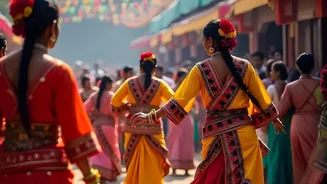
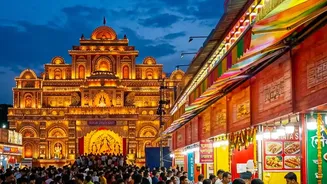
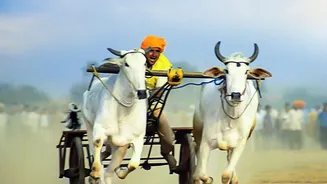
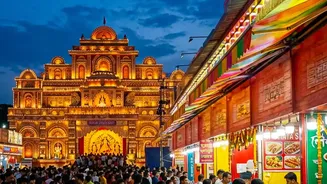
While the livestock trade is the historical foundation, the Mela has evolved into a massive cultural extravaganza. Visitors can experience a dizzying array of events, from folk music and dance performances by Rajasthani artists to thrilling camel races. The fair hosts a range of unique and often humorous competitions, including the famous 'longest moustache' contest, turban-tying challenges, and even a bridal competition. For a bird's-eye view, hot air balloon rides at sunrise offer breathtaking panoramas of the sprawling fairgrounds. The evenings come alive with a different energy, featuring carnival rides, puppetry shows, and cultural performances under the stars.
The Spiritual Heartbeat of the Fair
The spiritual climax of the Mela occurs on Kartik Purnima, which falls on November 24 in 2026. This day is considered exceptionally auspicious. Legend holds that the Pushkar Lake was created from a lotus petal dropped by the creator god, Brahma. Pilgrims from all over India gather to take a holy dip in the lake's 52 bathing ghats, an act believed to wash away sins and bring spiritual salvation. Following the bath, devotees visit the Jagatpita Brahma Mandir, a rare and highly revered temple. As dusk falls, the ghats are illuminated by the 'deepdaan', where thousands of floating oil lamps are set adrift on the water, creating a mesmerizing spectacle of light and prayer.
What to Expect in the Final Days
As the event heads towards its November 24 close, the focus shifts from livestock trading to cultural and religious activities. The days from November 21 to 23 are packed with the most popular competitions, such as the matka race for women, tug-of-war, and various musical events. The grand Maha Aarti, an evening prayer ceremony at the ghats, becomes a major focal point, filling the air with chants and incense. The final day, Kartik Purnima, is dedicated almost entirely to the pilgrimage. Expect massive crowds around the lake and temples from before dawn as pilgrims perform their sacred rituals. It’s the emotional and spiritual peak of the entire festival.
A Last-Minute Visitor's Guide
If you're planning a spontaneous trip before the fair closes, be prepared for large crowds. The nearest major transport hubs are Ajmer for trains (about 30-45 minutes away) and Jaipur for flights. Since Pushkar is a holy town, dress modestly, especially when visiting the lake ghats and temples—this means covering shoulders and knees. Also, remember that alcohol and non-vegetarian food are prohibited within the town. Carry sufficient cash, as many smaller vendors may not accept digital payments and ATMs can run dry. Comfortable walking shoes are a must for navigating the sandy fairgrounds and bustling streets.