







The Right Gear for Protection
The first line of defence against water damage is the right gear. For ultimate peace of mind, especially during monsoon travel or trips to the beach, a dedicated dry bag is invaluable. These bags are designed to be fully waterproof, keeping your electronics
safe even if submerged. For smaller items like your phone, passport, and power bank, a high-quality waterproof pouch is a must-have. Many are transparent and touch-sensitive, allowing you to use your phone without exposing it to the elements. For a budget-friendly alternative, heavy-duty zip-seal plastic bags can offer a basic layer of protection against light splashes, but they are not as reliable for full immersion. Investing in a good waterproof case for your specific phone or tablet model can also protect against both water and impact.
Compartmentalise with Packing Cubes
Packing cubes are a traveller's best friend not just for clothes, but for electronics too. These fabric organisers help you group similar items, saving you from digging through your bag. Dedicate one cube for all your electronics and their accessories. This not only keeps your main compartment tidy but also adds a soft, protective layer around your gadgets. You can further organise within the cube by using smaller pouches or cable ties. When everything has its place, you’re less likely to leave a crucial charger behind. This system makes unpacking and airport security checks significantly smoother, as you can pull out the single electronics cube instead of rummaging for multiple items.
Mastering Cable Management
A tangle of cables is the enemy of an organised bag. Instead of throwing them in loose, where they can get knotted and damaged, adopt a system. Dedicated cable organisers, often designed like a foldable pouch with elastic loops and mesh pockets, are an excellent investment. Each loop holds a single coiled cable, preventing them from tangling with each other. If you don't have a dedicated organiser, simple solutions work wonders too. Use reusable velcro ties or even binder clips to keep each cable neatly coiled. An old sunglasses case is perfect for storing charging bricks and small cables. The goal is to isolate each cord so it can't create chaos.
Strategic Placement in Your Bag
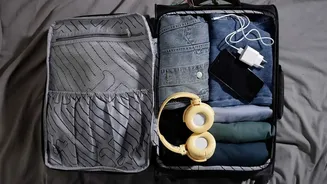
How you place electronics in your luggage is as important as what you pack them in. Never place fragile, expensive electronics in your checked baggage if you can avoid it. The risk of damage from rough handling or theft is too high. For items that must be checked, or for your carry-on, the safest spot is in the centre of your suitcase. Surround your electronics cube or laptop with soft items like clothing. This creates a natural cushion that absorbs shock and protects your devices from bumps and drops. Avoid placing them along the edges or corners of the suitcase, which are high-impact zones.
The Carry-On Go-Bag
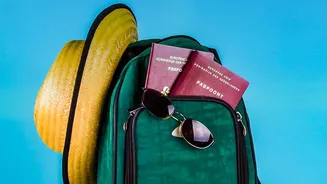
For your most essential and valuable electronics—like your laptop, camera, primary phone, and passport—it is best to keep them with you at all times in a carry-on backpack or personal bag. Many modern backpacks come with dedicated, padded laptop sleeves and waterproof exteriors, offering built-in protection. This 'go-bag' approach ensures that your most critical gear is never out of your sight. It also means that if your checked luggage is delayed or lost, you still have the technology you need to navigate your destination and stay connected. It’s a simple rule: if you can’t afford to lose it, don’t check it in.