





A Tradition Steeped in the Season
In India, the calendar is marked as much by festivals as it is by food. Summer is famously the season for mango pickles, a time when households are busy sun-drying raw mangoes to be preserved in oil and spices for the year. But as the scorching summer
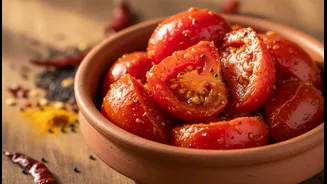
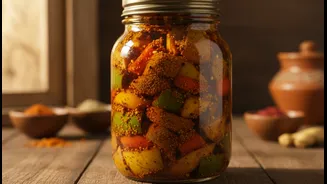
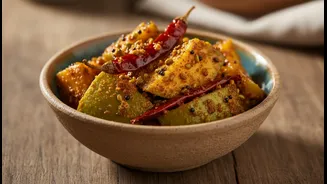
sun gives way to the grey, pregnant clouds of the monsoon, the produce on the market stalls changes, and with it, the focus of the kitchen. July brings a glut of tomatoes, particularly in the fertile belts of Andhra. This abundance is the trigger for the next great preservation project: turning these seasonal beauties into 'pachadi', a condiment that will carry the taste of the monsoon through the rest of the year. The preparation of pickles like this is an age-old method of preserving seasonal harvests, ensuring nothing goes to waste and the flavours of a particular time can be enjoyed months later.
The Guntur Stamp: More Than Just Chilli
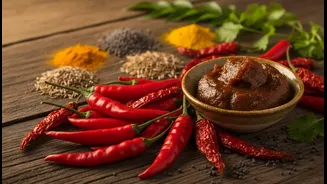
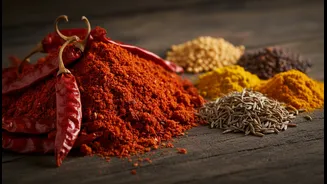
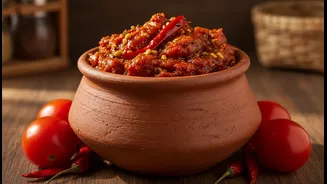
Mention Guntur to any food-lover in India, and the first thing that comes to mind is chilli. The fiery, vibrantly red Guntur chilli is the backbone of Andhra cuisine, lending its signature heat to countless dishes. Naturally, it's a star player in the region's tomato pickle. But the name “Guntur Tomato Pickle” is a nod to more than just the spice. The area is also a significant producer of tomatoes. For this pickle, cooks seek out ripe, fleshy, country tomatoes that are bursting with a tangy, slightly sour flavour. These are cooked down, their moisture slowly evaporated, until their essence is concentrated. The addition of Guntur chilli powder is non-negotiable, providing not just heat but also a deep red colour and a specific flavour profile that distinguishes this pickle from any other.
Understanding the Art of Pachadi
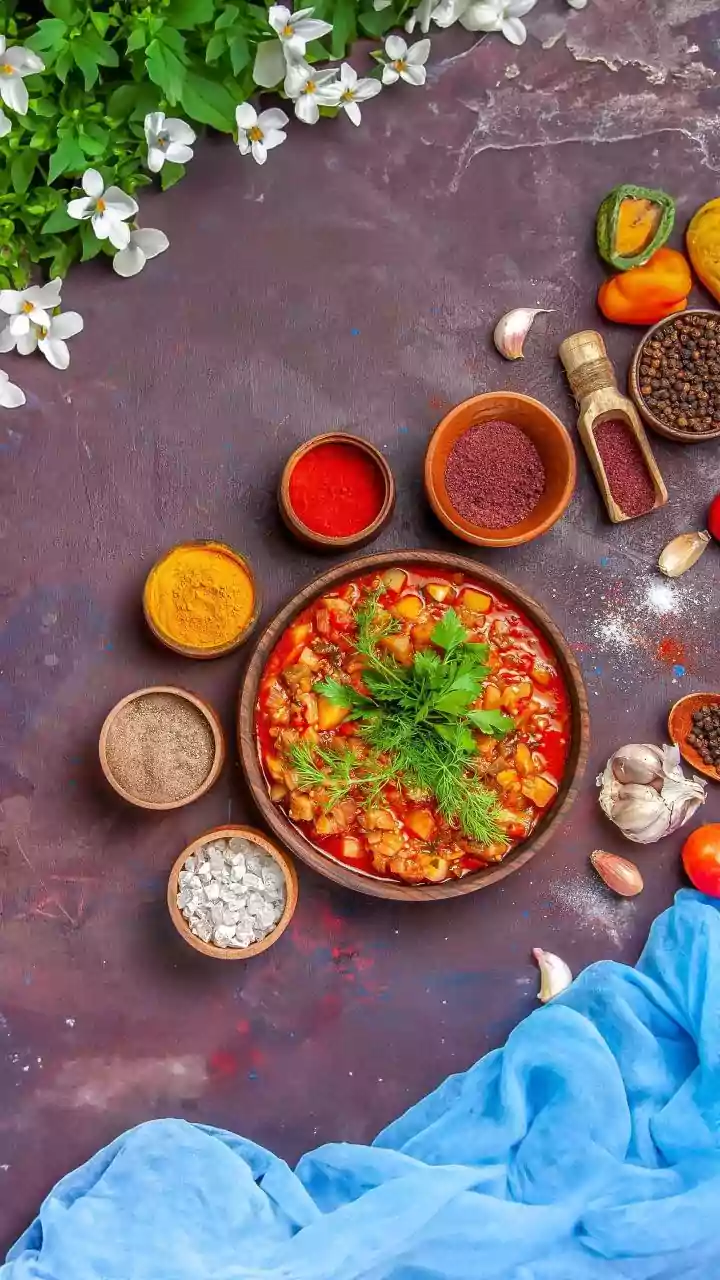
Andhra tomato pickle, or 'tomato pachadi' as it's locally known, occupies a unique space in the world of Indian condiments. It isn't a chunky, oil-heavy 'achaar' like those found in the North, nor is it a completely smooth 'chutney'. Instead, it has a rich, jam-like consistency where the tomatoes are cooked down but still retain some texture. The flavour is a complex explosion: the tanginess of the tomatoes is often amplified with tamarind, which also acts as a natural preservative. This is balanced by the searing heat of the chilli, the earthy bitterness of fenugreek (methi) seeds, the pungency of mustard powder, and the savoury depth of garlic. The entire concoction is brought together with sesame oil, whose nutty aroma is a hallmark of many South Indian pickles.
A Ritual of Taste and Aroma
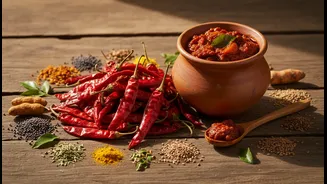
Making tomato pachadi is less a recipe and more a family ritual, a tradition passed down through generations. The process is a sensory one. It begins with the careful washing and drying of tomatoes, as any moisture is the enemy of a long-lasting pickle. Then comes the slow cooking, a patient process that fills the house with the sweet, tangy scent of simmering tomatoes. In another corner of the kitchen, spices are dry-roasted until fragrant, then pounded in a mortar and pestle or ground into a coarse powder. The final step is the 'tadka' or tempering, where mustard seeds, garlic, and curry leaves are sizzled in hot oil before being poured over the pickle, creating a final, dramatic hiss and a bloom of aroma. It's an act of love and patience, a symbol of cultural identity preserved in a ceramic jar, or 'Bharani'.
The Ultimate Comfort Food
While the pickle is versatile, there is one classic way to enjoy it that is sacred in Telugu households: with hot, steaming rice and a generous dollop of ghee. The heat from the rice melts the ghee, which in turn mellows the spiciness of the pickle, creating a perfectly balanced, deeply satisfying mouthful. It's a simple, quick meal that is the ultimate comfort food for many. Beyond rice, Guntur tomato pickle is a fantastic accompaniment to breakfast staples like idli, dosa, and pesarattu, and even adds a kick to a simple slice of toast or a paratha. For the vast Telugu diaspora around the world, a jar of this pickle is more than just a condiment; it's a cherished taste of home.