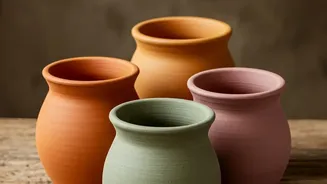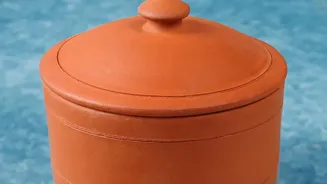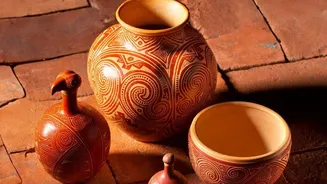


In the shift away from mass-produced plastics, a timeless material is making a major comeback in Indian homes. Terracotta and clay, once staples of tradition, are now being celebrated for their blend of earthy style and eco-conscious living.
Rooted in Sustainability
At its core,
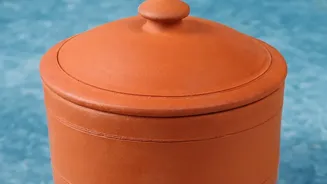
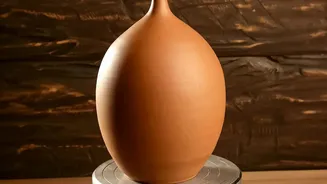
terracotta means 'baked earth', and its production process is as natural as its name suggests. Made from abundant clay, these items are a powerful statement against plastic and synthetic decor. The manufacturing process is often simpler and can require less energy than other ceramics. Crucially, terracotta is biodegradable, meaning it returns to the earth without leaving a harmful trace. Unlike plastic decor that contributes to landfill waste for centuries, a broken clay pot can be crushed and returned to the garden. This cyclical nature makes it an inherently sustainable choice for the conscious consumer.
A Healthier, Happier Home
The benefits of clay go beyond just being eco-friendly. As a natural, non-toxic material, it ensures that no harmful chemicals are leaching into your home environment. This is especially true when artisans use lead-free, natural glazes. The porosity of unglazed terracotta is another standout feature. For plant lovers, this means better aeration for roots and a reduced risk of overwatering, as the clay allows excess moisture to evaporate. This natural breathability helps regulate temperature, keeping plants cooler in the summer heat, and even contributes to a healthier indoor atmosphere.
The Modern Minimalist Aesthetic
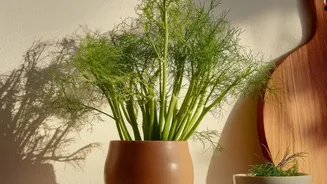
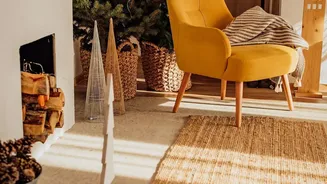
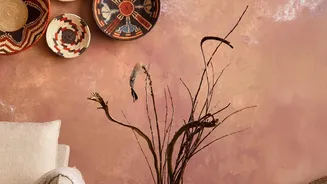
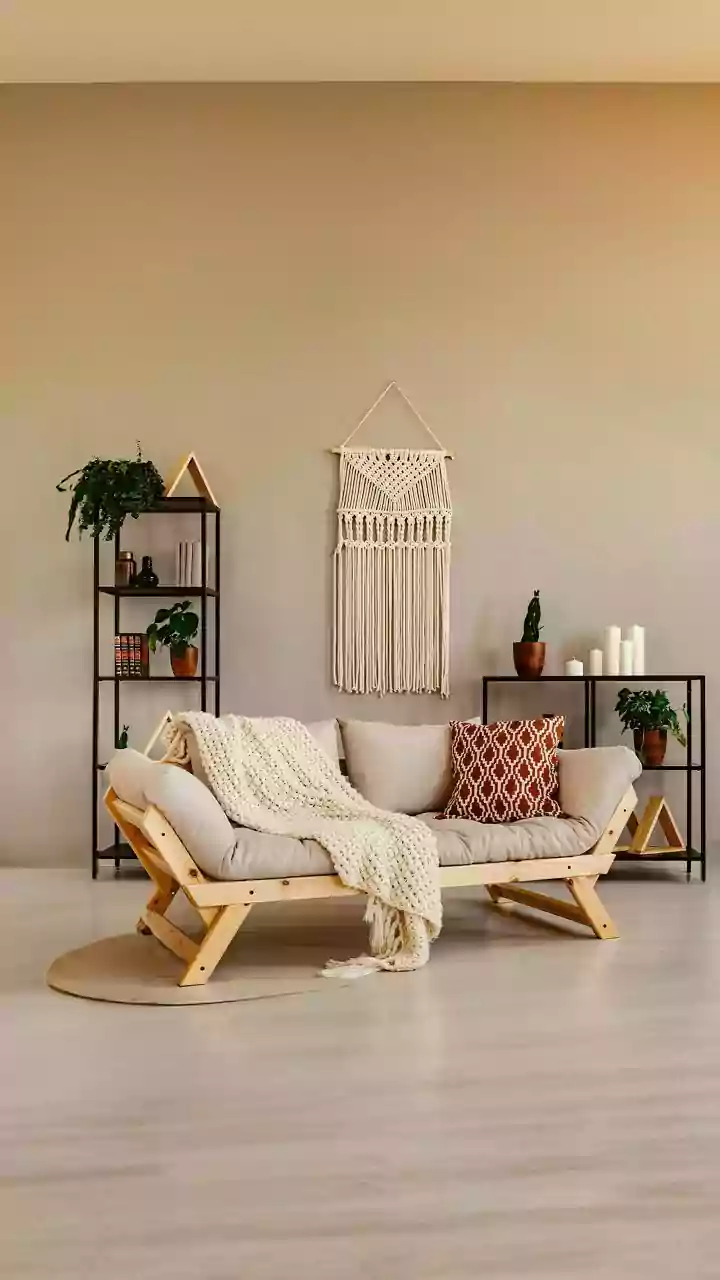
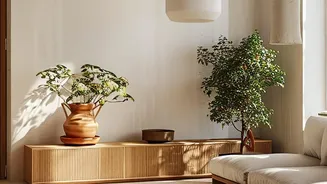
After years of cool greys and whites dominating interior design, the warmth of terracotta is a welcome change. Its earthy, reddish-brown tones bring a sense of calm and connection to nature, grounding a space instantly. This material is surprisingly versatile, fitting seamlessly into various modern aesthetics, from bohemian to minimalist. A large terracotta floor pot can anchor a living room corner, while a cluster of smaller pots adds texture to a shelf. The key is to mix materials; pair terracotta with wood, brass, and natural textiles like cotton and linen to create a layered, sophisticated look rather than a rustic theme.
Festive Flair With an Earthy Twist
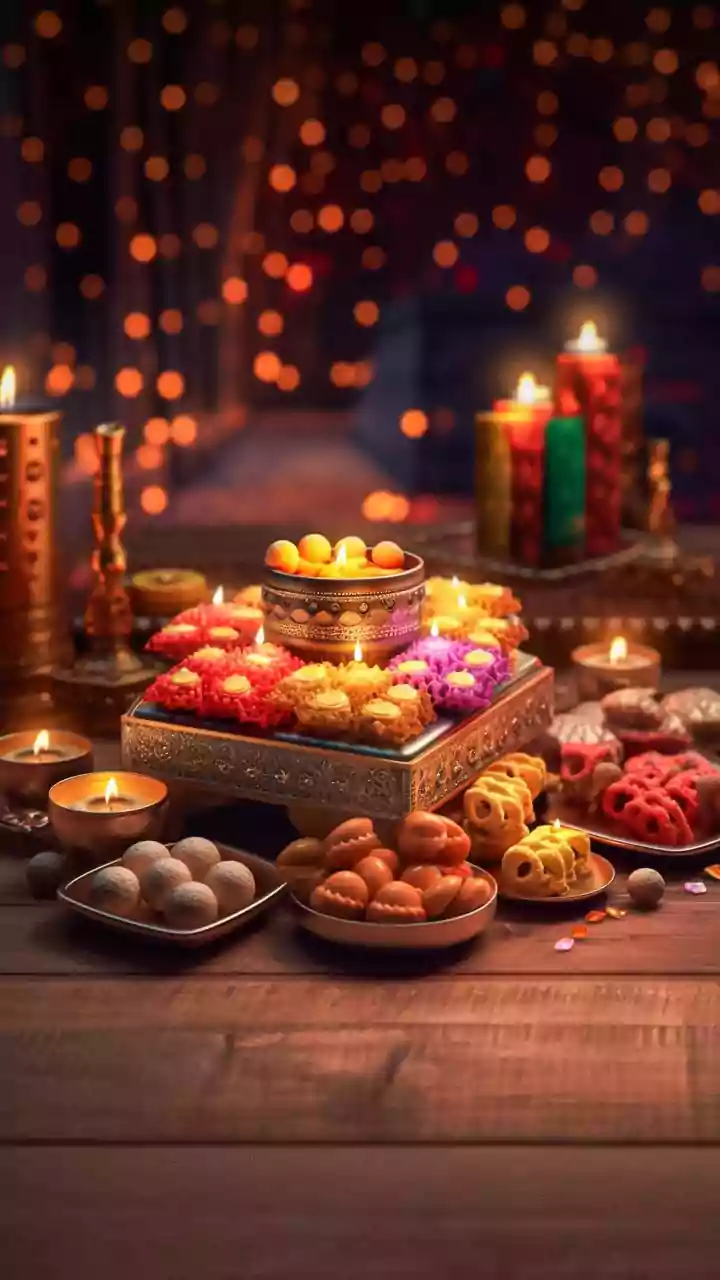
During festive seasons, clay and terracotta truly shine, connecting modern celebrations with deep-rooted traditions. These materials are central to festivals across India, from the diyas of Diwali to the Garba pots of Navratri. In a modern home, this can be interpreted in countless stylish ways. Imagine a large terracotta urli or bowl filled with water and floating marigolds as a centrepiece. Small clay pots can be hand-painted with contemporary patterns and used as unique tea-light holders. For festivals like Janmashtami or Pongal, decorated clay pots become beautiful, symbolic decor pieces that are both sustainable and culturally resonant.
Supporting Artisanal Heritage
Choosing handcrafted terracotta is also a vote for preserving India's rich artisanal heritage. The Indian handicrafts market is experiencing significant growth, with pottery gaining traction as consumers seek authentic, handmade products over mass-produced items. By purchasing from local potters or platforms that support them, you contribute to a sustainable livelihood for skilled craftspeople, many of whom belong to pottery clusters with traditions passed down through generations. Each hand-shaped pot or hand-painted vase carries a unique story of human touch, adding a layer of soul to your home that a factory-made object simply cannot replicate.