






Boosts a Sluggish Digestion
According to Ayurveda, the ancient Indian science of life, the monsoon season or 'Varsha Ritu' is a time when our digestive fire, or 'agni', is naturally at its weakest. The damp, cool environment can make our digestive system sluggish. Eating cold or raw
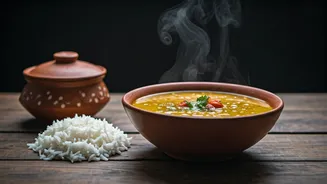
foods during this time can further burden the gut, leading to issues like bloating, indigestion, and gas. Hot, well-cooked meals are pre-digested to an extent, making them easier for a compromised gut to process. A warm bowl of dal, a simple khichdi, or a vegetable soup soothes the digestive tract and allows your body to absorb nutrients efficiently without working overtime.
Reduces Risk of Infections
The monsoon is notorious for an increase in water-borne and food-borne illnesses. The high humidity creates a perfect breeding ground for bacteria, fungi, and other pathogens. Raw vegetables, especially leafy greens, and pre-cut fruits sold by street vendors can be contaminated. The simple act of cooking food at a high temperature is one of the most effective ways to kill these harmful microorganisms. Opting for steamed, boiled, or sautéed vegetables over raw salads significantly lowers your risk of contracting infections like diarrhoea, cholera, and typhoid. It’s a simple safety measure that makes your diet instantly more sensible.
Strengthens Your Immunity
A rainy day diet rich in hot meals often incorporates powerful, immunity-boosting ingredients. Think of traditional Indian preparations: soups spiced with black pepper, turmeric, and ginger; kadhas brewed with holy basil (tulsi) and cloves; or rasam teeming with tamarind and garlic. These ingredients are not just for flavour. Turmeric contains curcumin, a potent anti-inflammatory agent. Ginger and garlic have strong antibacterial and antiviral properties. Black pepper helps in improving the bioavailability of other nutrients. A warm, spiced meal does more than just warm you up; it actively equips your body’s defence mechanisms to fight off the common colds and flus of the season.
Provides Hydration and Comfort
It might seem counterintuitive when there’s water everywhere, but staying hydrated is still crucial during the monsoon. We may not feel as thirsty due to the lower temperatures, but our bodies still require adequate fluids. Hot beverages, broths, and soups are an excellent way to meet your hydration needs while also providing warmth and nourishment. There's also a psychological component. The gloominess of overcast days can affect our mood. A warm meal is a source of comfort, providing a sense of cosiness and well-being that helps combat the 'monsoon blues'. It’s a small act of self-care that has a big impact on both physical and mental health.
Smart Food Choices for the Season
Making your rainy diet sensible is easy. Prioritise light, warm, and freshly cooked meals. Think moong dal khichdi, vegetable stews, besan chilla, and soups made from pumpkin or bottle gourd (lauki). Incorporate spices like turmeric, cumin, coriander, and ginger generously. Instead of cold drinks, switch to herbal teas, warm water with lemon, or a comforting glass of turmeric milk (haldi doodh) before bed. Avoid heavy, fried foods like pakoras and samosas as a daily habit, as they are difficult to digest. Keep them as an occasional indulgence. By making these small shifts, you align your diet with the season's demands, ensuring you stay healthy, energetic, and comfortable.