







The Monsoon Hydration Paradox
During the monsoon, high humidity prevents sweat from evaporating effectively off your skin. This is a problem because evaporation is the body's primary cooling mechanism. Your body, trying to cool down, continues to produce sweat that doesn't go anywhere,
leading to that sticky, uncomfortable feeling. This process makes your body work harder, raising your heart rate and core temperature, all while you lose significant amounts of fluid and essential minerals without the cooling benefit. This constant, inefficient sweating is a major cause of both dehydration and electrolyte loss.
Why You Can't Trust Your Thirst
A common mistake is waiting until you feel thirsty to drink water. Thirst is a lagging indicator, meaning by the time you feel it, your body is already mildly dehydrated. This issue is magnified during the monsoon. High humidity can blunt or interfere with your body's natural thirst signals, tricking you into believing you're adequately hydrated when you are not. The cooler air temperatures compared to peak summer can also be deceptive, masking your body's true fluid needs. This makes it crucial to move beyond thirst as your main guide for hydration.
Look Beyond Urine Colour
Checking your urine colour is a popular and easy way to gauge hydration. Pale, straw-coloured urine generally indicates good hydration, while darker yellow or amber colours suggest you need to drink more water. However, this method isn't foolproof. Certain vitamins, medications, and foods can alter urine colour, making it a potentially misleading single indicator. While it's a useful tool, especially first thing in the morning, it's best used in combination with other methods to get a more accurate picture of your hydration status.
Listen to Your Body’s Other Signals
Dehydration affects more than just your fluid levels; it impacts your entire system. During the monsoon, be alert for subtle signs that many people mistakenly attribute to the gloomy weather. These include persistent fatigue, headaches, dizziness, and difficulty concentrating. Muscle cramps, a dry mouth despite the humid air, and a feeling of sluggishness are also common symptoms of dehydration and electrolyte imbalance. Paying attention to these physical and cognitive cues is one of the most reliable ways to catch dehydration early before it becomes more severe.
The Importance of Electrolytes
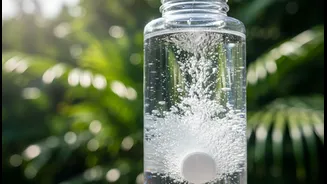
When you sweat, you don't just lose water; you lose critical minerals called electrolytes, such as sodium, potassium, and magnesium. These minerals are vital for nerve function, muscle contractions, and maintaining fluid balance. Simply drinking plain water isn't always enough to rehydrate effectively, especially in humid conditions where you sweat profusely. Replenishing electrolytes is crucial to prevent muscle cramps and other symptoms of imbalance. You can get electrolytes from natural sources like coconut water, bananas, yoghurt, and leafy greens, or by adding an oral rehydration solution (ORS) to your water.
Practical At-Home Measurement
For a more quantitative measure, you can use a simple weighing method, especially if you exercise. Weigh yourself without clothes before and after a workout. The difference in weight corresponds to fluid loss. For every kilogram of weight lost, you need to replenish approximately one litre of fluid. Another simple at-home check is the skin turgor test. Gently pinch the skin on the back of your hand for a few seconds and release. If the skin snaps back quickly, you're likely hydrated. If it returns to normal slowly, it can be a sign of dehydration. Combining these checks with monitoring for the other symptoms provides a comprehensive view of your hydration status.