








The Rise of the 'Pawrent'
There has been a remarkable shift in how Indians relate to their pets. The term 'pet owner' is fading, replaced by the more affectionate 'pet parent' or 'pawrent'. This change in language reflects a deeper emotional evolution where pets are now integral
members of the family. This humanisation of pets is the primary engine behind India’s booming pet care market, valued at approximately ₹30,434 crore in 2024 and projected to soar to ₹2.1 lakh crore by 2032. This growth isn’t just about more people getting pets; it's about a fundamental change in spending habits, driven by rising disposable incomes and the desire to provide the best for these furry family members.
From Kibble to Couture
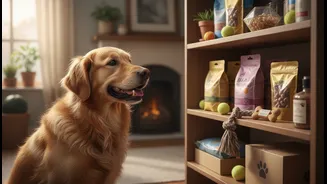
The market has responded to this sentiment with an explosion of premium products and services. Standard kibble is making way for grain-free, organic, and freshly-cooked meals. Accessories have gone from simple leashes to designer collars and hypoallergenic beds. Grooming is no longer a quick wash but a spa day, and services now include everything from pet-friendly hotel stays to pet insurance. Brands market these offerings by tapping directly into the pet parent's emotions. The messaging often implies that choosing a premium product is a direct measure of your love and responsibility, creating a subtle but powerful pressure to spend more. Phrases like 'only the best' or 'guilt-free' position spending as an emotional necessity, not a choice.
What Vets Say Your Pet Actually Needs
While marketers promote luxury, veterinary professionals often bring the conversation back to basics. The cornerstones of a pet's well-being are not complicated: balanced nutrition, regular exercise, consistent training, preventive healthcare, and, most importantly, affection and companionship. A high price tag does not automatically equal better health. While quality food is crucial, it doesn't always have to be the most expensive imported brand. Similarly, fancy toys are no substitute for dedicated playtime with you. Veterinarians often find themselves in the difficult position of balancing ideal 'gold standard' care with what is financially feasible for the owner. They stress that preventative care, like vaccinations and regular check-ups, offers far more value in the long run than many high-end discretionary products. Open communication with your vet can help you distinguish between a necessary medical expense and a marketed luxury.
Resisting the Pressure with Conscious Choices
Feeling overwhelmed by the options is a real and valid stress for many pet parents. The key is to shift the focus from 'providing everything' to 'providing what matters'. Instead of succumbing to marketing-induced guilt, empower yourself with knowledge. Learn to read pet food labels to understand ingredients, rather than just relying on buzzwords like 'premium' or 'natural'. Invest in areas that have a long-term impact, such as quality veterinary care and good nutrition, but feel free to pass on the fleeting trends. Remember that your time and attention are the most valuable resources you can offer your pet. A long walk, a game of fetch, or a quiet evening on the sofa builds a bond that no product can replicate.