


Match the Class to Your Journey
The first major decision is choosing between Sleeper (SL) and air-conditioned (AC) classes. Your choice should depend on the weather, journey duration, and budget. Sleeper Class is a non-AC coach with open windows and fans. It's the most budget-friendly
option for overnight travel and offers a vibrant, social experience, especially in cooler months from October to February. However, AC classes are a worthwhile investment during India's hot summers. Third AC (3A) is the most popular AC class, offering a similar berth layout to SL but with air-conditioning and included bedding (a pillow, sheet, and blanket). Second AC (2A) provides more space and privacy with only four berths per bay (plus two on the side) and curtains. First AC (1A) offers the highest level of comfort with private, lockable two-berth or four-berth cabins, making it ideal for long journeys or those seeking maximum privacy.
Understand the Quota System
Indian Railways reserves seats under various quotas. While most tickets fall under the General Quota (GN), understanding others can increase your chances of getting a confirmed seat. The General Quota opens for booking up to 120 days in advance and offers the best shot at securing a confirmed ticket due to the large number of available seats. The Tatkal Quota (TQ) is for last-minute travel, opening just one day before the journey—at 10 AM for AC classes and 11 AM for non-AC classes. While useful for emergencies, Tatkal tickets are more expensive and sell out within minutes. Other important quotas include the Ladies Quota (LD), for female passengers travelling alone or with other women, and the Senior Citizen Quota, which gives priority for lower berths to men aged 60+ and women aged 45 and above. Being aware of which quotas you are eligible for is a crucial part of the booking strategy.
Select Your Berth Preference Wisely
When booking, you can state a preference for a Lower, Middle, Upper, Side Lower, or Side Upper berth. While this is not a guarantee, it's an important input for the allocation system. Lower berths are the most sought-after, especially by senior citizens and passengers with mobility issues, as they avoid climbing. Upper berths offer more privacy and are great for sleeping without disturbance. Middle berths, found only in SL and 3A classes, must be folded down during the day. The side berths are a good choice for solo travellers or couples. To maximize your chances of getting a preferred berth, book as early as possible, ideally on the day the booking window opens 120 days in advance. If a lower berth is essential, use the booking option “Book only if at least one lower berth is allotted” to avoid an unwanted allocation.
Verify Train Type and Timings
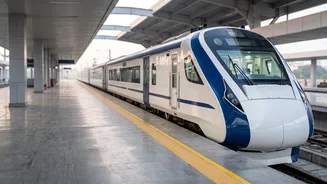
Not all trains are equal. Pay close attention to the train type and its schedule. Superfast and Express trains like the Rajdhani, Shatabdi, Duronto, and Vande Bharat are generally faster, cleaner, and have fewer stops than Mail or Passenger trains. Carefully check the departure and arrival times. A train departing at 00:30 on a Tuesday technically leaves on Monday night, a common point of confusion. Also, review the total journey duration. A seemingly convenient train might have a much longer route with extended halts, turning a short trip into a lengthy one. For short daytime journeys of four to five hours, a non-AC Sleeper or Chair Car (CC) seat can be comfortable and economical, especially in good weather.
Check Onboard Services and Policies
Before finalizing your booking, be aware of the amenities and rules. Bedding is provided free of cost in all AC sleeper classes (1A, 2A, 3A), but not in Sleeper Class (SL), where you'll need to bring your own. While food can be purchased on most long-distance trains, the quality can be inconsistent. Some premium trains have mandatory catering, with the cost included in the ticket fare. For other trains, you can pre-book meals online or rely on onboard pantry cars and vendors. Also, familiarize yourself with the cancellation policy. General quota tickets are refundable with a deduction, but confirmed Tatkal tickets are generally non-refundable unless the train itself is cancelled or significantly delayed. As of 2026, IRCTC has introduced more flexible rescheduling options for confirmed tickets, allowing date changes without cancellation fees, though any fare difference applies.