




The Search for Darkness and Digital Detox
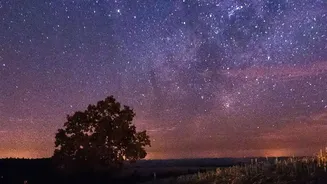
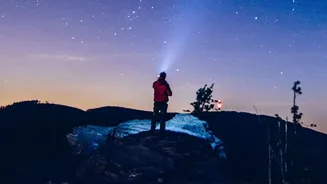
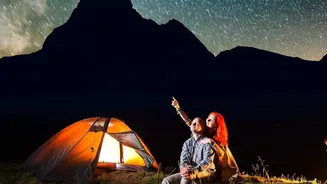
The rise of astro-tourism is driven by a collective yearning for a break from the noise and glow of modern urban life. Constant screen time and overwhelming light pollution in cities mean that most people rarely, if ever, see the night sky in its full
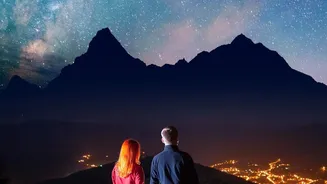
glory. It's a search for what is becoming a rare commodity: natural darkness. This desire for a digital detox and a connection with nature is leading travellers to seek out unique, meaningful experiences over conventional sightseeing. The appeal isn't just about seeing stars; it's about finding a sense of peace, wonder, and perspective that a truly dark sky can provide. This trend is also fuelled by India's recent successes in space exploration, which have sparked a renewed public interest in astronomy and the universe.
India's Premier Stargazing Destinations
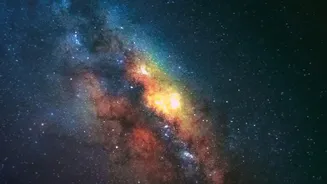
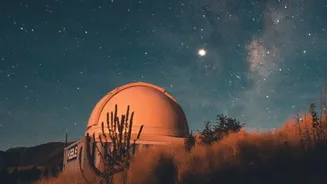
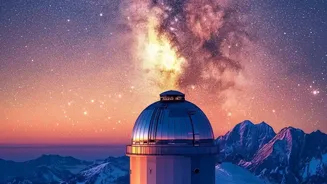
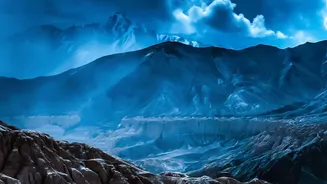
India, with its diverse geography, offers some of the best stargazing spots in Asia. The undisputed crown jewel is Hanle in Ladakh, home to India's first official Dark Sky Reserve. At an altitude of 4,500 metres, its dry climate and near-zero light pollution provide exceptionally clear skies for most of the year. Here, the Milky Way is not a faint smudge but a brilliant, textured river of light. Another prime location is Spiti Valley in Himachal Pradesh, a high-altitude cold desert where villages like Kaza and Kibber serve as natural observatories under dramatic, star-filled skies. For those seeking different landscapes, the white salt desert of the Rann of Kutch in Gujarat offers a surreal setting, with the horizon stretching endlessly in every direction. Other notable spots include Coorg in Karnataka, where coffee plantations are set against starry backdrops, and remote parts of Rajasthan and Uttarakhand.
More Than Just Looking Up
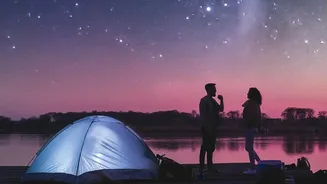
Modern astro-tourism offers far more than just craning your neck at the sky. A growing ecosystem of tour operators and specialised resorts are curating immersive celestial experiences. In places like Hanle, local villagers have been trained as 'Astronomy Ambassadors' who guide visitors through the cosmos using powerful telescopes. These community-led tours not only provide employment but also blend scientific knowledge with local culture. Many destinations now host astrophotography workshops, where beginners and experts alike can learn to capture stunning images of galaxies and meteor showers. Companies are establishing dedicated observatories and camps in locations like Bhimtal, Mukteshwar, and Sariska, offering everything from weekend getaways to in-depth workshops. These organised trips handle the logistics of reaching remote areas, allowing travellers to focus solely on the celestial show.
Planning Your Celestial Escape
A successful stargazing trip requires some planning. The best time to go is typically during the drier, clearer months, generally from October to May, avoiding the monsoon season. It is crucial to schedule your trip around the lunar cycle; a full moon, while beautiful, acts as a giant light in the sky, washing out fainter stars and the Milky Way. A moonless night is ideal. For high-altitude destinations like Ladakh and Spiti, proper acclimatisation over several days is essential to avoid altitude sickness. Pack warm, layered clothing, as temperatures can drop significantly at night, even in the desert. While many organised tours provide equipment, a good pair of binoculars can dramatically enhance your viewing experience. Most importantly, visitors to these fragile ecosystems are encouraged to practice responsible tourism, especially by minimising their own light usage to help preserve the darkness that makes these places so special.