





Setting Up for Success
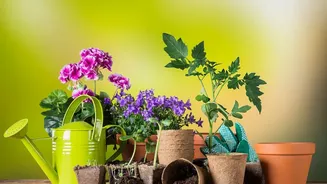
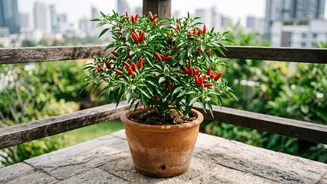
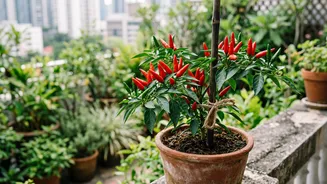
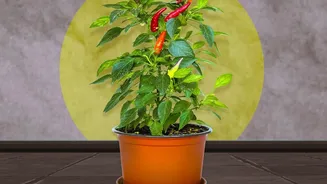
Your journey begins with the right container and soil. Thai chilli plants need room for their roots to develop, so choose a pot that is at least 10 to 12 inches deep and has drainage holes at the bottom. This prevents waterlogging, which can lead to root rot.
For the soil, use a well-draining, loamy potting mix. A good combination is a standard multi-purpose compost mixed with materials like perlite or vermiculite to improve aeration and drainage, ensuring the roots stay healthy and have access to oxygen.
Sun, Water, and Food
Thai chillies are sun-lovers, requiring at least six hours of direct sunlight each day to produce a bountiful harvest. A south-facing balcony or window is ideal. Water the plants deeply whenever the top inch of soil feels dry, but avoid letting them sit in soggy soil. Consistent moisture is key, as erratic watering can stress the plant. As for feeding, start with a balanced potting mix. Once the plant begins to flower and produce fruit, you can supplement with a fertilizer rich in potassium to encourage a healthy yield.
Recognising the Ripening Stages
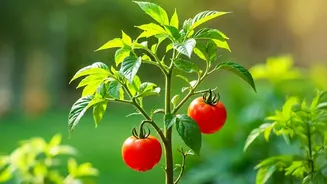
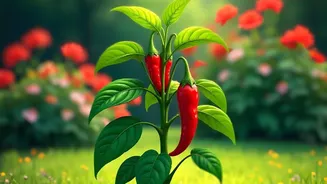
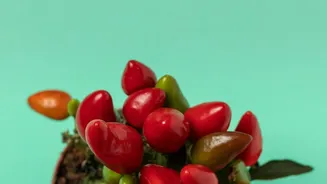
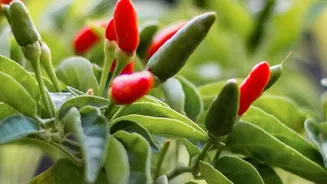
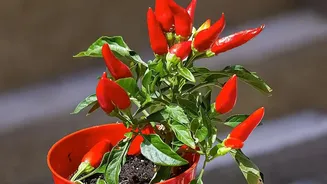
Patience is essential when waiting for your chillies to ripen. The small green fruits will reach their full size first, which can take several weeks. After reaching their final size, they will begin to change colour, a process that can take another 10 to 15 days depending on warmth and sunlight. Most Thai chillies transition from green to a vibrant, glossy red, although some varieties may pass through a dark brown or even purplish stage. A ripe chilli will feel firm to the touch, not soft or wrinkled.
Green vs. Red: The Harvest Decision
You don't have to wait for every chilli to turn red. Thai chillies can be harvested at any stage, but the flavour and heat level will differ. Green chillies, picked before they fully mature, have a sharper, more vegetative flavour and a milder heat. Harvesting them at this stage can also encourage the plant to produce more flowers and fruit. Red chillies, on the other hand, have developed their full flavour profile, which is often sweeter and fruitier, along with their maximum heat intensity. Many gardeners like to pick them at both stages to enjoy the variety.
The Art of a Clean Harvest
How you pick your chillies matters. To avoid damaging the plant and ensure it continues to produce, never pull or yank the chillies from the branch. This can cause the entire branch to break, reducing your future yield. Instead, use a pair of small scissors or pruning shears to snip the stem just above the chilli, leaving a small piece of the stem attached to the fruit. This clean cut allows the plant to heal quickly and redirect its energy into making more peppers.
Encouraging a Continuous Supply
Regular harvesting is the secret to a long and productive season. Picking the chillies as they ripen sends a signal to the plant to produce more flowers, which will in turn become more fruit. A single healthy plant can produce hundreds of small peppers over its life. After a major harvest, ensure the plant continues to receive adequate sun, water, and nutrients. You can also prune away any dead or yellowing leaves to improve air circulation and help the plant focus its energy on new growth.