




From Humble to Hip
For generations, millets and other traditional Indian grains were staples, valued for their resilience and nutrition. [4] However, with the dominance of wheat and polished rice, many of these grains were relegated to the status of 'poor man's food' and slowly
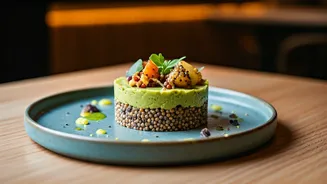
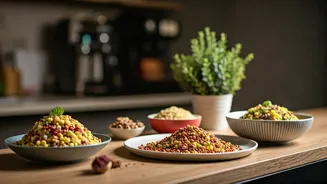
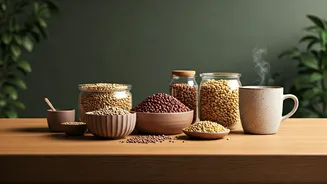
disappeared from urban kitchens. [3, 8] Today, that narrative is being completely rewritten. Across metro cities, a new generation of chefs and cafe owners is rediscovering these ingredients, not as a nod to the past, but as a vision for the future of food. [6, 8] They are being transformed into contemporary dishes that appeal to modern palates, from jowar-based pizza crusts to ragi pancakes and millet risottos. [6, 14]
The Millet Makeover
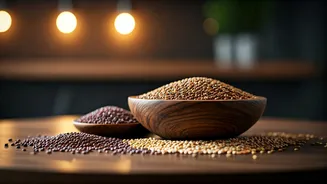
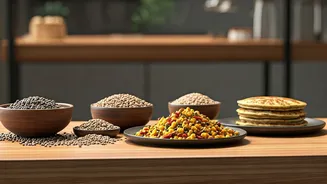
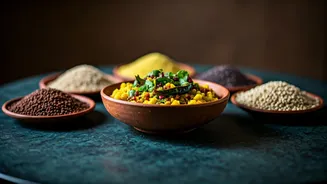
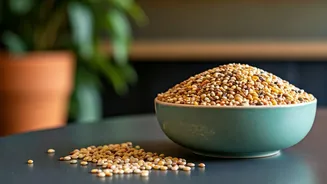
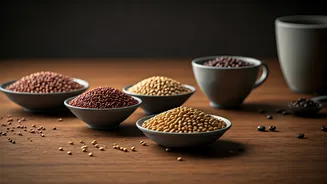
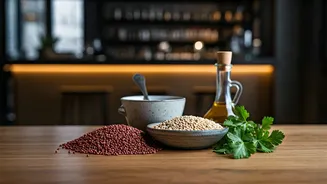
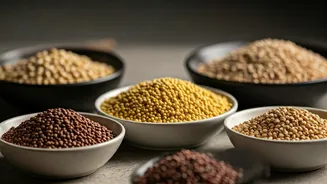
Millets are at the forefront of this revolution. Ragi (finger millet), jowar (sorghum), and bajra (pearl millet) are now common sights on cafe menus. [4] Instead of traditional rotis or porridges, you'll find them in inventive forms. Think crispy ragi vada pav, soft jowar crepes, millet tacos, and even ragi-based momos and brownies. [6, 10, 11] Cafes like Greenr in Delhi are crafting entire plant-forward menus around them, with dishes like barnyard millet bowls and amaranth muesli. [10] This isn't just about swapping one grain for another; it's about skilled chefs exploring the unique textures and nutty, earthy flavours that millets bring to a dish. [6]
Why Now? A Perfect Blend of Health and Heritage
This trend is fueled by a powerful convergence of factors. Firstly, there's a massive global shift towards wellness and mindful eating. [12] Consumers are more aware of what they eat, seeking out foods that are not just low-calorie but genuinely nutritious. [6] Millets are a nutritional powerhouse: naturally gluten-free, high in fibre, and packed with minerals like iron, calcium, and magnesium. [3, 5] Their low glycemic index also helps in managing blood sugar levels, making them a smart choice for a balanced diet. [3, 4] Recent scientific studies from Indian institutions have validated these benefits, showing that millet-based diets can lead to better health outcomes. [7] Secondly, there's a growing sense of cultural pride and a desire to reconnect with Indian food wisdom. [3] Diners are looking for authenticity and are increasingly aware that 'superfoods' don't need to be imported. [6]
The Sustainability Angle
Beyond personal health, choosing desi grains is also a vote for the planet. Millets are climate-resilient super crops. [4] They are drought-resistant, require significantly less water than rice and wheat, and can grow in poor soil with fewer chemical inputs. [4, 5] In an era of increasing climate change and water scarcity, promoting millets supports sustainable agriculture, strengthens food security, and empowers small and marginal farmers who have cultivated these grains for centuries. [4, 13] Cafes dedicated to regenerative agriculture, like Araku in Mumbai, are taking this a step further, building their entire philosophy around regenerating soil health and using local, sustainably-farmed produce. [23]
Beyond Millets: Other Grains in the Spotlight
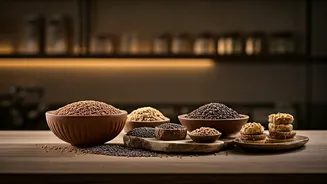
The revival extends beyond just millets. Amaranth (rajgira) and buckwheat (kuttu), once primarily known as fasting foods, are now appearing in mainstream dishes. [8, 22] You can find amaranth in energy bars and salads, while buckwheat flour is used to create everything from pancakes and crepes to savoury parathas. [10, 22] These grains are also celebrated for their high protein content and gluten-free properties, fitting perfectly into the modern wellness-focused diet. [17, 22] Chefs are creatively using these ingredients to add texture, flavour, and a powerful nutritional punch to their menus. [8, 22]