




Carved by ancient glaciers, fjords are nature’s masterpieces. But not all are alike. Europe’s most stunning examples in Norway and Iceland offer two vastly different, yet equally breathtaking, experiences for the discerning traveller.
Norway: The Classic Fjord Experience
When you picture
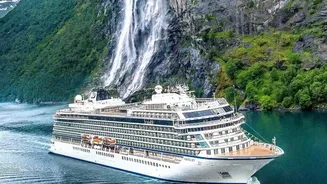
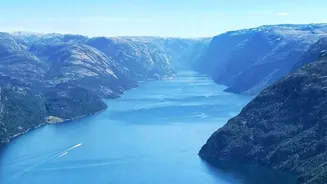
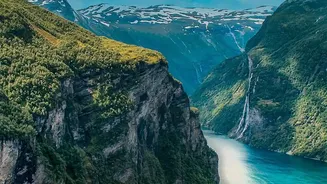
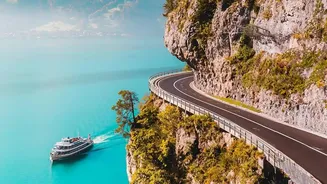
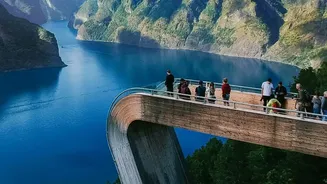
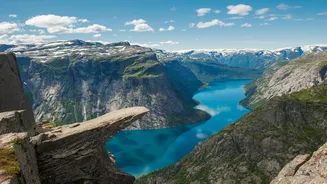
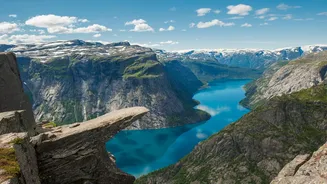
a fjord, you are likely thinking of Norway. The Norwegian coastline, home to over 1,700 named fjords, offers the quintessential fjord experience: deep, blue-green water snaking between towering, near-vertical cliffs draped in lush greenery. These landscapes are punctuated by powerful waterfalls, like the famous Seven Sisters in the Geirangerfjord, that plunge hundreds of metres directly into the sea below. The fjords here are ancient U-shaped valleys carved by glaciers over millions of years, extending far inland from the coast. This geology creates narrow, intimate waterways, with some, like the UNESCO-listed Nærøyfjord, being only 250 metres wide at points, creating a feeling of being completely enveloped by nature. Dotted along the shores are charming, colourful villages and remote farms clinging impossibly to the mountainsides, accessible by the ferries that glide through these tranquil waters. This is a landscape of serene grandeur and fairytale beauty, a vertical world where mountains meet water in the most dramatic fashion.
Iceland: Volcanic Drama and Raw Wilderness
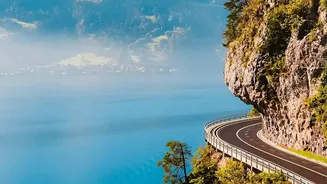
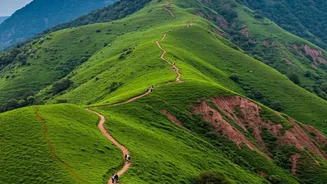
Iceland's fjords offer a completely different, yet equally compelling, kind of beauty. There are around 109 fjords, primarily concentrated in the remote Westfjords and the rugged Eastfjords. Unlike Norway's lushness, Iceland's fjords are characterized by a stark, raw, and otherworldly magnificence. Here, the landscape is a testament to the island's identity as the 'Land of Fire and Ice'. You'll find wider, more open fjords flanked by stark, ancient basalt mountains, some with flat tops sculpted by volcanoes under glacial ice. Instead of dense forests, the shores often feature black sand beaches and vast, empty landscapes that evoke a sense of profound isolation and peace. The experience here is less about vertical grandeur and more about expansive, untamed wilderness. Iceland's fjords are also a haven for wildlife; it's common to spot seals, dolphins, and even humpback whales from the shore or on boat tours, particularly in the north. The Westfjords, in particular, are one of Europe's last great wildernesses, a place of immense tranquility where tiny fishing villages are dwarfed by the immense, brooding landscape.
How to Choose Your Fjord Adventure
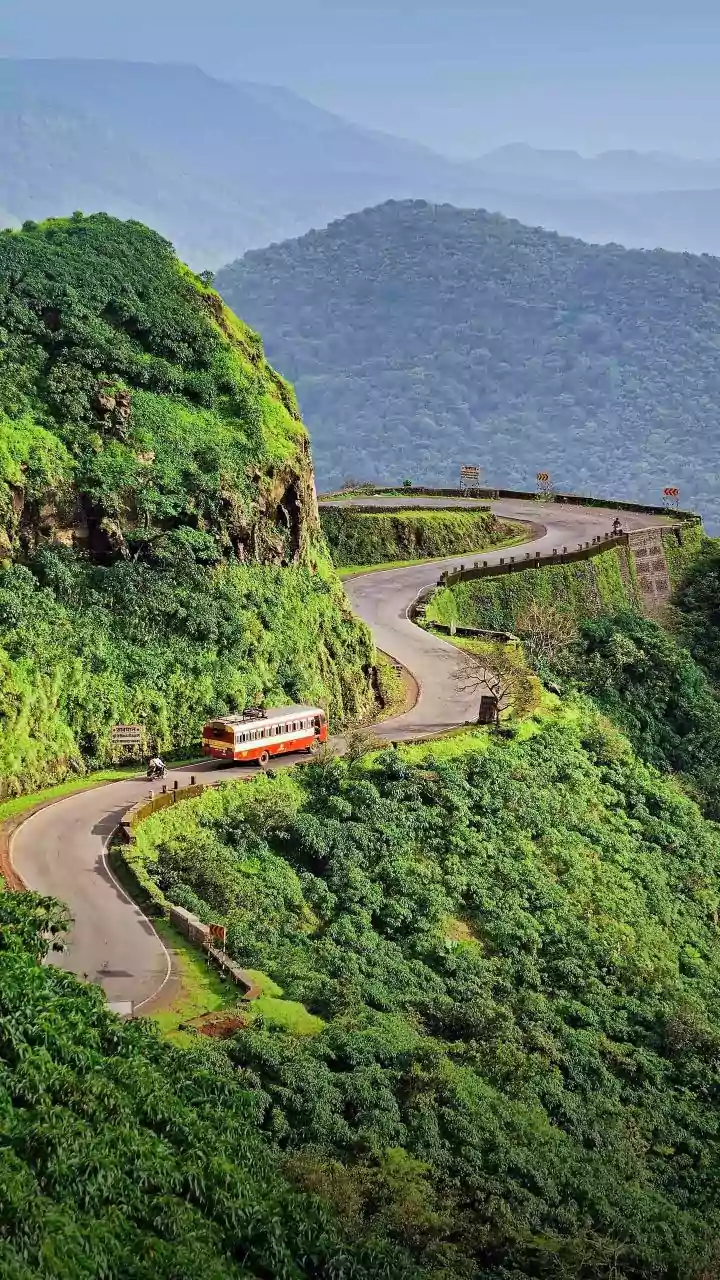
Deciding between Norway and Iceland depends entirely on the kind of experience you seek. If your dream is to witness the classic, postcard-perfect fjord, choose Norway. It’s ideal for travellers who appreciate lush scenery, majestic waterfalls, and the charm of small villages. Activities here often revolve around fjord cruises, kayaking in calm waters, and hiking to breathtaking viewpoints high above the water. The infrastructure is well-developed, with iconic trips like 'Norway in a Nutshell' combining boat, bus, and train travel to showcase the stunning scenery of fjords like the Nærøyfjord. If, however, you are drawn to more rugged, untamed, and elemental landscapes, Iceland is your destination. It’s perfect for the adventurous traveller who wants to feel a sense of raw nature and solitude. The best way to explore Iceland's fjords is often by car, driving the winding coastal roads of the Eastfjords or navigating the more remote Westfjords. This journey is less about cruises and more about road-tripping through landscapes of volcanic rock, spotting wildlife, searching for puffins on sea cliffs, and perhaps ending the day in a geothermal hot spring—an experience unique to Iceland.