

The End of the Annual Holiday
For generations, the travel calendar was predictable: one long trip a year, meticulously planned during summer or winter holidays. But for India's Gen Z and millennials, that model is losing its appeal. A recent Airbnb report revealed that a staggering
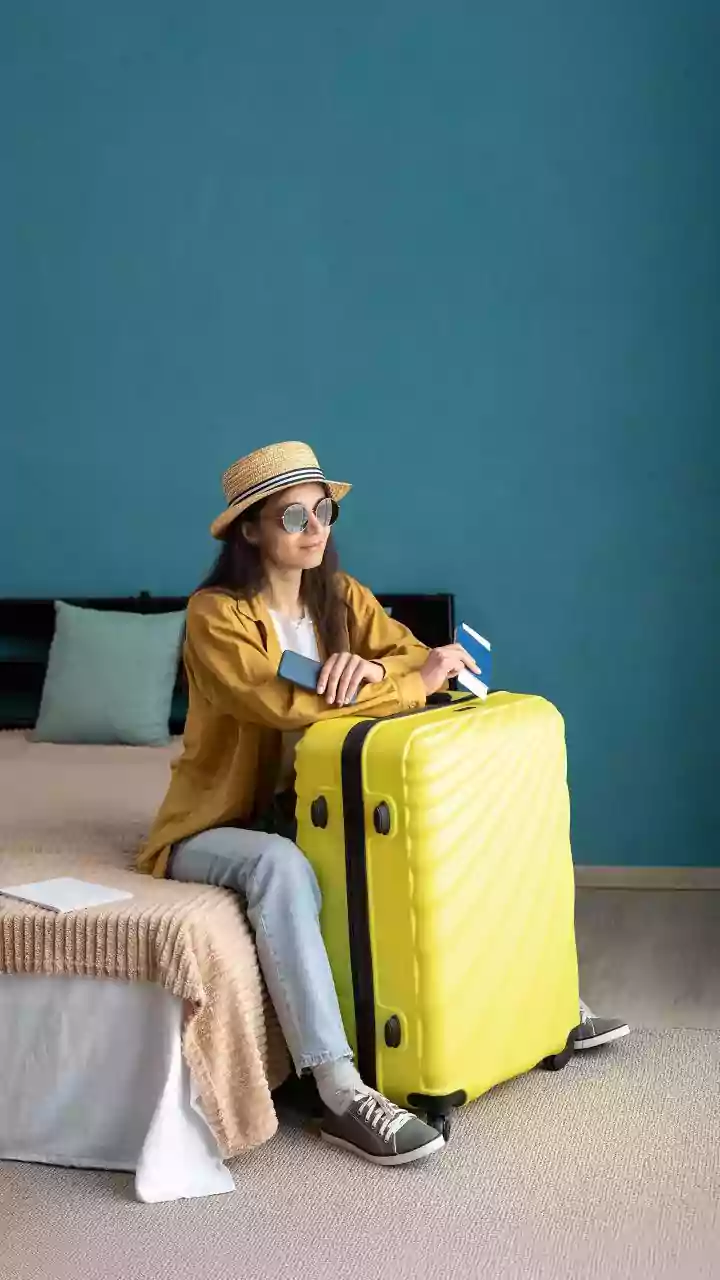
87% of young Indian travellers now prefer trips that last less than a week, with seven in ten opting for multiple short breaks over a single long holiday. Instead of waiting for one perfect moment to travel, they are seizing every opportunity, turning long weekends and public holidays into mini-vacations that punctuate their busy lives. This shift reflects a move towards travel that is more flexible, frequent, and seamlessly integrated into their routine rather than a rare escape from it.
The Experience Is the New Status Symbol
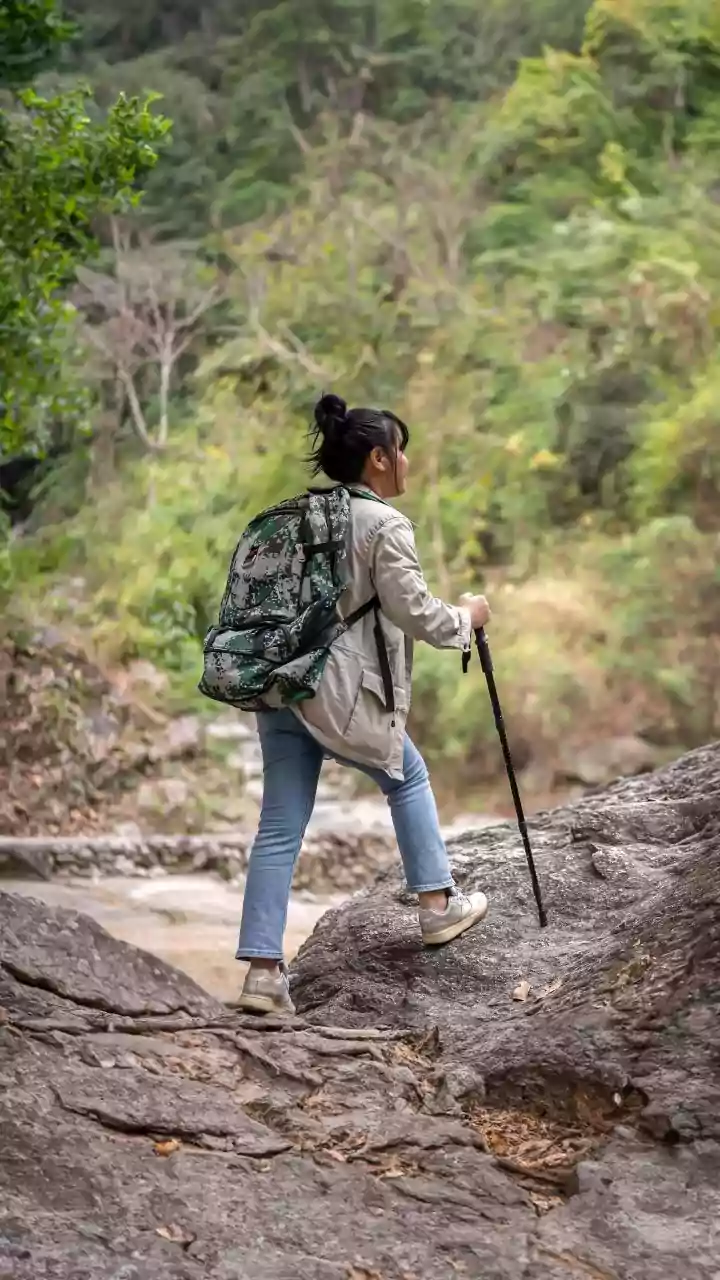
For today's youth, the ultimate status symbol is no longer a new gadget or a designer brand; it's a boarding pass or a full tank of fuel for a road trip. There has been a fundamental shift in spending, with young Indians prioritising outlays on experiences like travel, dining, and cultural events over physical goods. This 'experience economy' is driven by a desire for a life rich in memories and stories, not just possessions. Many have observed older generations postponing joy and saving for a 'someday' that doesn't always arrive as planned. In response, they are choosing to invest in the here and now, valuing a trek in the Himalayas or a music festival with friends as a critical investment in personal well-being and happiness.
Curating Life for the Digital Shelf
A trip isn't just a trip anymore; it’s content. The headline's 'digital experiences' refer to this crucial element: travel that is not only lived but also captured, curated, and shared online. Social media platforms like Instagram and YouTube are now the primary tools for travel discovery, with studies showing that a majority of young travellers use them for inspiration. Destinations are often chosen for their visual appeal, or what is often called 'Instagrammability'. The goal is to collect a diverse portfolio of digital assets — the perfect sunrise video, a photo from a hidden cafe, a reel set to a trending audio. This performative aspect means travel is often planned around content opportunities, shaping where people go, what they do, and even what they wear.
The Economics of the Quick Getaway
This trend is made possible by several converging economic and logistical factors. The rise of hybrid and remote work has given many young professionals the flexibility to extend a weekend without dipping too far into their leave balance. Simultaneously, improved infrastructure, including budget airlines and better highways, has made once-distant locations more accessible for a quick escape. The proliferation of homestays and budget-friendly accommodation, easily discoverable online, has also made frequent travel more affordable. Young travellers are adept at using digital tools to find deals and plan cost-effective trips, making a lifestyle of frequent exploration financially viable.
Beyond the Tourist Trail
While social media drives trends, it has also created a desire for authenticity and uniqueness. Many young travellers are actively seeking out 'hidden gems' and offbeat destinations to avoid the crowds that flock to viral spots. They want their travel to be a form of self-expression. The focus is shifting from ticking off famous landmarks to having unique, personal experiences, whether that's learning a local craft, exploring culinary trails, or simply unplugging in nature. Travel is no longer about just seeing a place, but about feeling it and creating a personal connection that, ironically, makes for a better story to share online.