






Understanding the Price Pinch
Before diving into solutions, it helps to know why your grocery bills are climbing. Recent data from August 2026 shows that food inflation in India stood at 5.95%. This is largely driven by a weaker-than-normal monsoon, which is on track to be the driest
in over a decade, affecting crop yields for essentials like rice, pulses, and vegetables. Prices for specific items like onions have seen sharp spikes. While government reserves of staples like wheat and rice provide some cushion, the overall trend points towards continued pressure on household food budgets.
Create a Festive Budget Now
The single most effective strategy is to plan ahead. Don't wait for the festive rush to think about expenses. Create a specific budget for all festive spending, from food and gifts to decor and travel. A good starting point is to list all the must-haves for your family's traditions. Once you have a list, assign a realistic amount to each category. This simple act of planning helps you make conscious spending decisions rather than impulsive ones when caught up in the festive spirit. Consider creating a separate festival fund or setting aside a small portion of your monthly income throughout the year to avoid a financial crunch.
Shop Smarter, Not Harder
Strategic shopping can lead to significant savings. Make a detailed shopping list and stick to it to avoid impulse buys, which retailers often encourage through clever deals and store layouts. For non-perishables like dry fruits, grains, and spices, consider buying in bulk from wholesale markets where prices are often lower. For fresh produce, local vegetable markets can be more economical than supermarkets. Also, keep an eye on online sales and use price comparison apps to ensure you are getting the best deal on offer for any packaged goods.
Embrace Seasonal and Local Produce
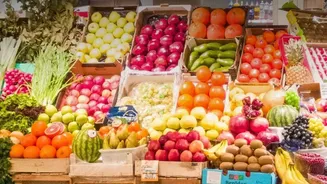
Your menu can be both delicious and economical if you plan it around seasonal produce. Vegetables and fruits that are in season are not only fresher and more nutritious but also significantly cheaper due to their abundance. Instead of opting for expensive, out-of-season ingredients that need to be transported over long distances, explore local and seasonal alternatives for your festive dishes. This simple switch supports local farmers and reduces the strain on your wallet.
Get Creative in the Kitchen
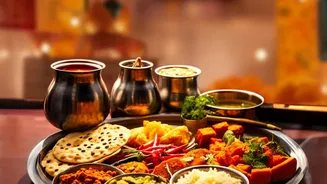
Reducing costs doesn't mean reducing flavour. One of the best ways to save is by preparing sweets and snacks at home instead of buying expensive store-bought versions. This not only cuts costs but also allows you to control the ingredients and quality. Another great approach is to host potluck-style gatherings. Instead of one household bearing the entire cost of a large feast, each guest can bring a dish. This fosters a wonderful sense of community and allows everyone to enjoy a diverse spread without the financial burden falling on a single family.
Rethink Gifting and Decorations
Festive spending isn't limited to food. By being savvy with other expenses, you can free up more of your budget for the feast. Consider do-it-yourself (DIY) decorations like paper lanterns and handmade rangolis. These add a personal and traditional touch at a fraction of the cost of store-bought items. For gifting, focus on thoughtful gestures over expensive presents. Handmade gifts, a batch of your signature homemade sweets, or even practical items can be more meaningful than costly, generic gifts. You could also agree on a spending limit with family and friends to manage expectations and prevent overspending.