




Verify the Vendor is Authorized
Your first line of defense is ensuring you are buying from a legitimate source. Authorized vendors, whether in the pantry car or on the platform, are required to be licensed by IRCTC. These vendors and their staff should have an official ID card and often
a uniform. Unofficial sellers may offer tempting prices but operate without any oversight, making them a significant risk. Stick to official stalls and pantry car staff. For e-catering orders made through apps, ensure you are using the official IRCTC 'Food on Track' app or its authorized partners to avoid unvetted services. Beware of lookalike websites or unauthorized vendors advertising online. All official vendors must have a valid FSSAI license, which means they have cleared basic safety and hygiene inspections.
Use Your Senses: The Visual Inspection
Before purchasing any food, take a moment to observe. Look at the general cleanliness of the stall, pantry car, or the vendor's cart. Are surfaces wiped down? Is food covered to protect it from dust and flies? Observe how the food is being handled; staff should ideally be wearing gloves and a head covering, especially in kitchens. For pre-packaged meals, check the integrity of the packaging. Avoid anything with a broken seal, leaks, or a bloated appearance, which can indicate spoilage. For hot food, it should be served hot, not lukewarm. Food that has been sitting at moderate temperatures for extended periods is a breeding ground for bacteria.
Decode the QR Code and Packaging
Indian Railways has made significant strides in transparency by introducing QR codes on many meal packets. Before you buy, check for this QR code. Scanning it with your smartphone should provide crucial information, such as the name of the licensed kitchen where the food was prepared, the date and time of packing, and the FSSAI license number. This is a powerful tool to verify the food’s origin and freshness. For all other packaged goods, look for the standard FSSAI logo and license number, manufacturing date, expiry date, and the Maximum Retail Price (MRP). Never accept items where this information is illegible or missing.
Make Safer Food Choices
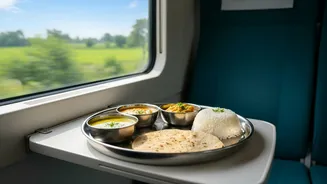
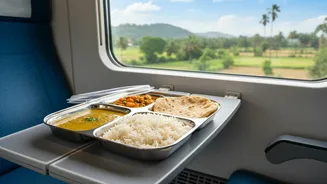
Certain foods are inherently safer during travel. Freshly cooked, hot meals like dal, rice, and chapati are generally a better bet than items that are served cold or at room temperature, such as salads, pre-cut fruits, or certain chaat items. Fried items that are cooked in front of you are also a relatively safe option. When it comes to beverages, sealed packaged water and bottled or canned drinks are far safer than open juices or local sherbets. Similarly, ordering a tea or coffee that is made with boiling water reduces risks. Prioritizing simple, hot, and freshly prepared meals can significantly lower your risk of foodborne illness.
Know Your Rights and How to Complain
If you encounter sub-standard food, overcharging, or poor hygiene, you have the right to complain. Indian Railways has a multi-channel system for grievance redressal. The integrated helpline number is 139. You can also use the 'Rail Madad' app or web portal to file a detailed complaint, even while on the train; this allows you to upload photos as evidence. When making a purchase, always insist on a bill. POS machines are being deployed to curb overcharging, and a bill is essential proof if you need to file a complaint later. Recent reports confirm that IRCTC has taken penal action based on such complaints, including imposing fines and terminating contracts, so your feedback is crucial.