



A Mission Outside the Station
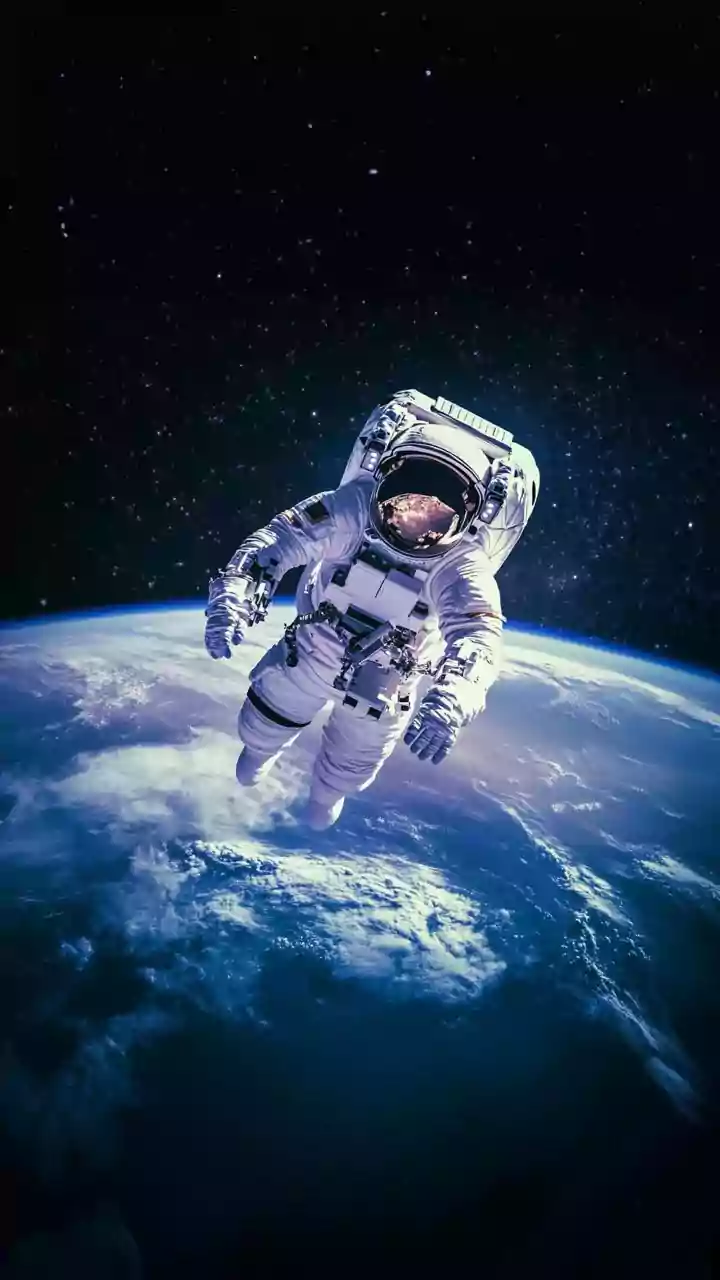
On Tuesday, August 25, NASA astronaut Anil Menon and European Space Agency (ESA) astronaut Sophie Adenot of France ventured outside the International Space Station for a gruelling six-and-a-half-hour spacewalk. The primary goal of this Extravehicular
Activity (EVA) was to install a replacement Space-to-Ground antenna, a vital piece of hardware for the station's communication systems. This was the third career spacewalk for Menon and the second for Adenot, who had previously made history as the first French woman to perform an EVA. The complex task was a follow-up to a previous spacewalk on August 18, where the duo successfully removed the faulty antenna but ran out of time to install its replacement due to stubborn cables and bolts.
What is the New Critical Link?
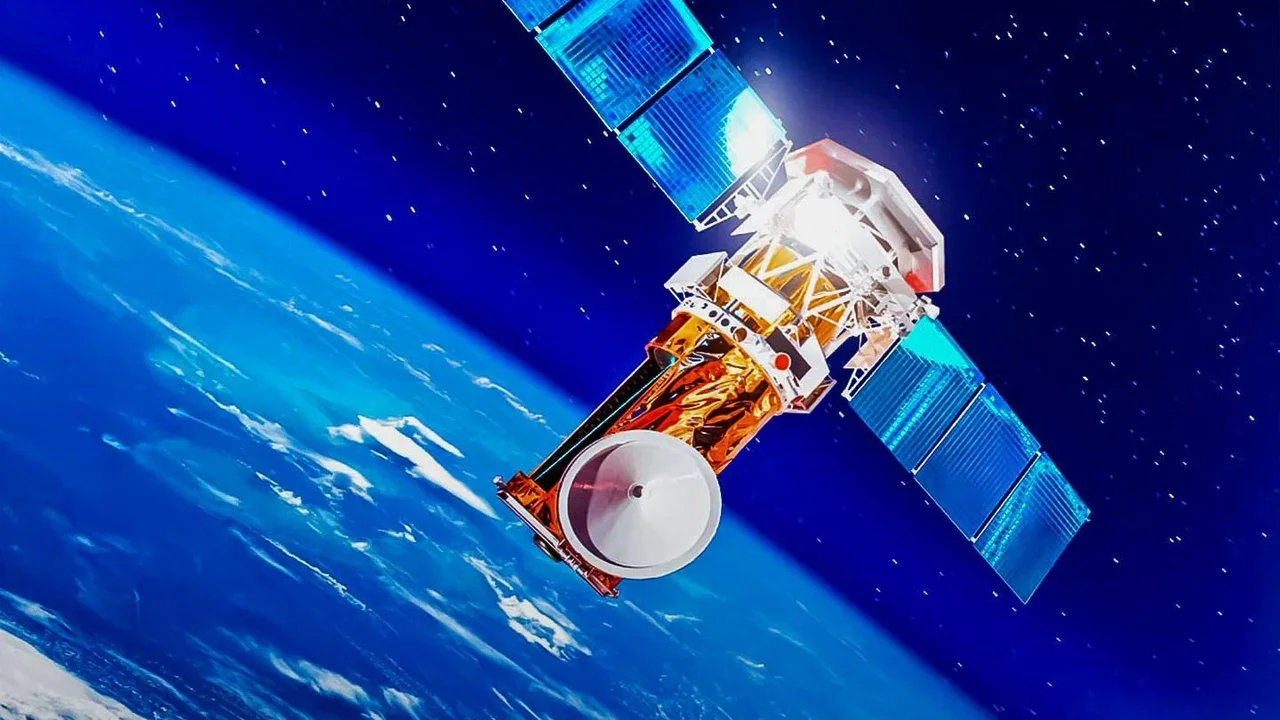
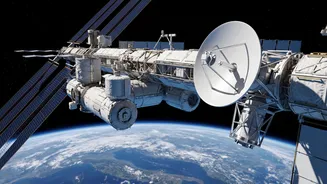
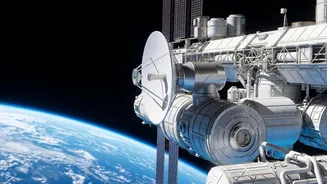
The newly installed hardware is a spare Space-to-Ground antenna. This dish-like assembly is not just a simple aerial; it is a critical link that enables high-speed data transmission between the orbiting laboratory and NASA's Mission Control Center in Houston. All the valuable scientific data, video feeds, and system telemetry from the ISS travels through these communication links. During the spacewalk, the astronauts successfully installed and connected the spare antenna before securing the failed unit to a spare-parts platform on the station's main truss for storage. Ground controllers received confirmation that the new link was working when initial checkouts showed good power and data transmission. One report noted the triumphant call from mission control: “you just saved the video dish.”
A Leap for Space Science
While the ISS was never without a functioning antenna, this repair ensures the resilience and robustness of its communication capabilities. The high-speed data link is the backbone of the station's scientific mission. It allows researchers on Earth to receive data from thousands of experiments in near real-time, monitor astronaut health, and command the station's complex systems. A reliable, high-bandwidth connection is essential for everything from microgravity studies on new medicines to Earth observation and technology demonstrations. By successfully replacing the faulty unit, Menon and Adenot have ensured that this crucial flow of information continues uninterrupted, safeguarding the scientific return on the multi-billion dollar international investment.
The Dangers of Working in a Vacuum
Completing a spacewalk is one of the most physically and mentally demanding tasks an astronaut can undertake. For over six hours, Menon and Adenot worked in bulky, pressurized suits, manipulating tools and large hardware while tethered to the station as it orbited Earth at 28,000 kilometres per hour. Each EVA is meticulously planned, but as the initial attempt on August 18 showed, unexpected difficulties can always arise. Astronauts train for years to handle contingencies, from a stuck bolt to a tear in their suit. The successful completion of this complex installation is a testament not only to the skill of the two astronauts but also to the extensive support team on the ground, who choreograph every move from Mission Control.
Securing the Station's Future
This repair was the 283rd spacewalk conducted in support of the ISS's assembly, maintenance, and upgrades since its construction began. As the station ages—having been continuously inhabited for over two decades—maintenance EVAs like this one become increasingly important. They are essential for replacing aging components, installing new technology, and ensuring the outpost remains a safe and productive platform for science and exploration. Following this successful antenna replacement, another spacewalk is already being planned for early September to tackle other maintenance tasks, underscoring the constant effort required to keep humanity's home in orbit running smoothly.