





The Failure of Traditional Rain Gear
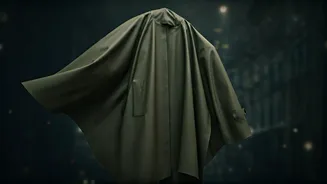
For years, the choice for most has been between a cheap, disposable plastic raincoat that tears easily and a heavy, non-breathable one that leaves you drenched in sweat. These options fail in the urban environment, where mobility and professionalism are
key. Commuting via bike, metro, or on foot requires gear that is lightweight, allows movement, and doesn't make you look like you've just walked out of a sauna. With climate patterns shifting towards more intense, unpredictable rainfall events, relying on outdated gear is no longer a practical option.
The Tech You Need: Waterproof and Breathable
The game-changer in modern rainwear is the 'waterproof-breathable' fabric. These materials use advanced membranes with microscopic pores—small enough to block liquid water droplets from getting in, but large enough to let water vapour (your sweat) escape. This technology is often described using a waterproof rating in millimetres (mm); a rating of 5,000mm is suitable for city commuting, while 10,000mm or more can handle heavy, sustained downpours. Equally important are 'fully taped seams', which prevent water from leaking through the stitching—a common failure point in cheaper jackets.
The Modern Rain Jacket: Smart and Stylish
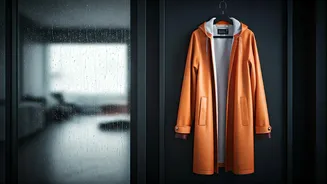
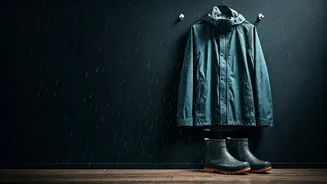
Today's rain jackets are designed for life, not just for a storm. Look for lightweight, packable jackets made from nylon or polyester with a DWR (Durable Water Repellent) finish that causes water to bead up and roll off. Key features for urban use include an adjustable hood that can accommodate a helmet for bikers, waterproof zippers, and ventilation zips (often under the arms) to release heat during a humid commute. Brands like Wildcraft, Decathlon's Quechua, and Columbia offer a range of jackets that balance technical performance with a style that fits an office environment.
Beyond the Jacket: Waterproof Trousers and Suits
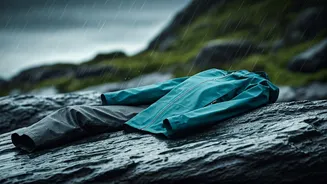
A jacket only solves half the problem. For those who commute on two-wheelers or walk significant distances, a full rain suit or waterproof trousers are essential for staying completely dry. Modern rain suits are no longer just for industrial use; they now come in lightweight premium fabrics and even stylish reversible designs. Brands like Lux Venus offer full-body rain suits, which are an excellent choice for scooter riders wanting total protection. These provide full coverage against rain, wind, and mud splashes, ensuring your work clothes underneath remain pristine.
Smarter Accessories: The Right Bag and Shoes
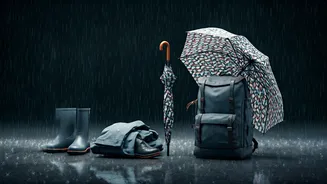
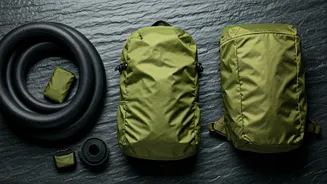
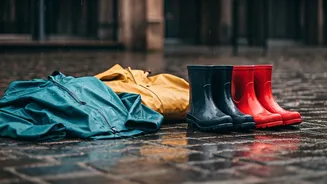
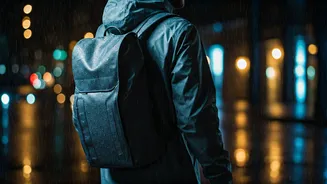
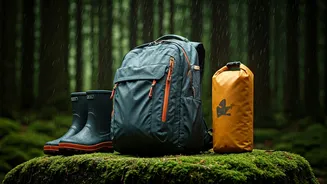
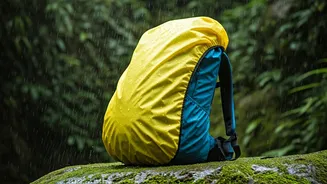
Your gear is only as waterproof as its weakest link. A regular backpack will soak through in minutes. Invest in a truly waterproof backpack, often featuring a 'roll-top' design similar to a dry bag, or ensure your existing bag has a dedicated rain cover. Brands like Wildcraft and F Gear offer options with integrated rain covers, a practical solution for daily commuters. For footwear, leather and canvas are poor choices for the monsoon as they absorb water and take ages to dry. Look for sandals, clogs, or slip-ons made from quick-drying materials like EVA, PVC, or rubber, with textured, anti-slip soles to provide a secure grip on wet, slippery surfaces.
The Umbrella, Re-Engineered
Even the humble umbrella has received a smart upgrade. Standard umbrellas often fail against the gusty winds that accompany a downpour, flipping inside out and becoming useless. A 'windproof' umbrella is a worthy investment. These feature reinforced frames made of fibreglass or quality aluminium and vented canopies that allow wind to pass through, significantly reducing the risk of breakage. Many modern umbrellas also use Teflon-coated, quick-drying fabric and come in compact, travel-friendly sizes, making them a reliable companion for city life.