






Why We're Ditching the Bottle for Our Roots
For years, the beauty industry sold us a dream of instant fixes in sleek packaging. But a growing number of us are feeling the fatigue of harsh sulfates, silicones, and parabens. The shift back to traditional methods isn't just about nostalgia; it's a conscious
choice. We're seeking sustainability, transparency, and a deeper connection to our heritage. This trend is driven by a desire for holistic wellness, where what we put on our bodies is as important as what we put in them. It’s about trading chemical cocktails for time-tested botanicals that have nourished Indian hair for centuries, promising not a quick fix, but long-term health and strength from the inside out.
The Sacred Ritual of Hair Oiling
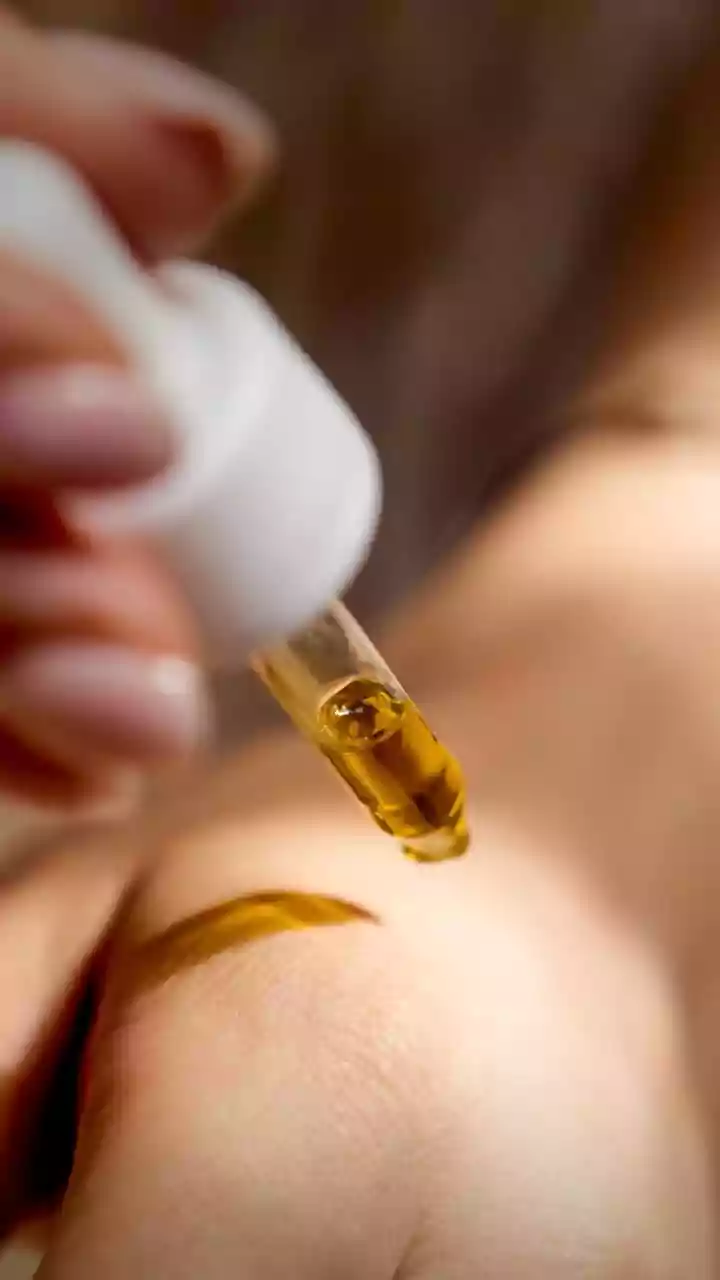
Before 'pre-poo' became a buzzword, there was 'champi'. The ritual of massaging warm oil into the scalp and hair is the cornerstone of Indian haircare. It's more than just a conditioning treatment; it’s a moment of self-care that stimulates blood flow to the scalp, strengthens roots, and deeply moisturises strands. Coconut oil is a classic for its cooling properties and ability to penetrate the hair shaft, while mustard oil is famed for promoting growth. Almond, olive, and castor oils are also popular choices, often infused with herbs like hibiscus or fenugreek (methi). The key is the massage — gentle, circular motions that relieve tension and help the oil work its magic. Leaving it on for at least an hour, or even overnight, before washing yields the best results: softer, shinier, and more resilient hair.
The Original Cleansing Trio: Reetha, Amla & Shikakai
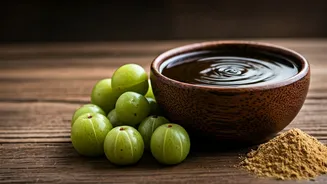
Long before liquid shampoo existed, this botanical trio was nature’s answer to clean, healthy hair. Reetha (soapnut) is a natural surfactant that produces a mild lather, cleansing the scalp without stripping its natural oils. Shikakai (acacia concinna), which literally translates to 'fruit for hair,' is a gentle cleanser and detangler rich in vitamins. Amla (Indian gooseberry) is a powerhouse of Vitamin C and antioxidants, known for conditioning the hair, preventing premature greying, and boosting volume. These ingredients can be used as a powder mixed with water to form a paste, or boiled to create a liquid hair wash. The result is hair that feels clean yet remains soft and manageable, a stark contrast to the squeaky, often dry, feeling from commercial shampoos.
The Conditioning Secret: Hibiscus and Fenugreek
Forget silicone-based conditioners that merely coat the hair. Traditional haircare offers natural conditioners that truly nourish it. The humble hibiscus flower (japa pushpa) and its leaves are rich in amino acids that strengthen roots and condition strands, leaving them silky and smooth. Crushing a few flowers and leaves into a paste makes for an excellent hair mask. Similarly, fenugreek seeds (methi) are a miracle cure for everything from dandruff to hair fall. Soaked overnight and ground into a paste, they create a slimy, deeply moisturising mask that tackles scalp issues while adding incredible shine and softness to the hair. These natural conditioners help repair damage, reduce frizz, and promote healthy growth without any synthetic buildup.
How to Start Your Journey Back to Basics
Embracing traditional haircare doesn't mean you have to spend hours grinding herbs. Many modern Ayurvedic brands now offer these ancient ingredients in user-friendly powders, oils, and pre-mixed masks. The best way to start is by picking one ritual and incorporating it into your weekly routine. Begin with a weekly 'champi' or switch your regular shampoo with a reetha-shikakai powder wash. Remember to be patient. Natural ingredients work gently and consistently over time. It's important to do a patch test before trying any new ingredient to ensure you don't have a reaction. This journey is less about instant transformation and more about building a sustainable, mindful practice that honours your hair's natural texture and health.