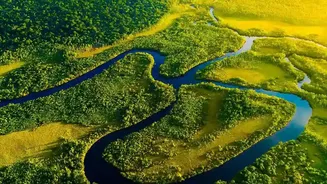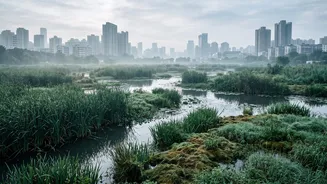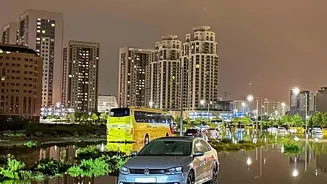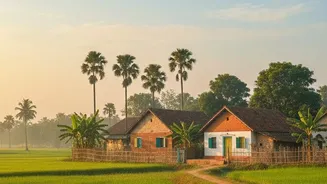





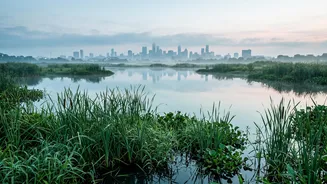

As cities across India grapple with increasingly frequent and intense flooding, an effective solution lies not in more concrete, but in nature itself. Restoring our forgotten wetlands offers a powerful defense, acting as a natural shield for urban areas.
Nature's Sponges
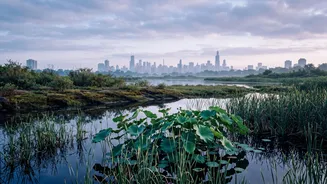
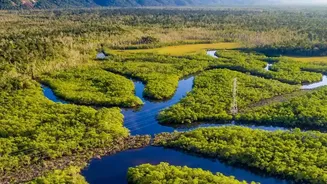
Wetlands are often called 'nature's sponges' for a simple reason: they are incredibly effective at absorbing and storing water. These ecosystems—which include marshes, swamps, and urban lakes—act as natural reservoirs. When heavy rains hit, instead of water immediately overwhelming drainage systems, wetlands soak up the excess, slowing its release into rivers and streams. This natural process significantly reduces the peak volume of floodwaters, lowering the risk of inundation for nearby communities. A single acre of wetland can store up to one million gallons of floodwater, showcasing their immense capacity to manage storm surges and intense rainfall.
The Urban Squeeze
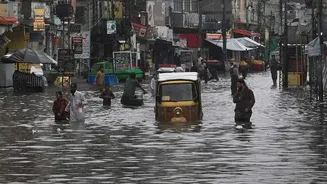
For decades, rapid and often unplanned urbanization has treated wetlands as obstacles to be paved over for development. Cities have expanded by draining and filling these vital ecosystems to build homes, roads, and industries. This relentless encroachment has a dual effect: it removes the natural sponge that would have absorbed rainwater and replaces it with impervious surfaces like concrete and asphalt, which accelerate runoff. As a result, rainwater that once seeped into the ground or was held by wetlands now rushes directly into drainage systems, overwhelming them and causing the flash floods that have become a hallmark of the monsoon season in many Indian cities. Chennai, for example, has lost a significant number of its water bodies to urban expansion, increasing its vulnerability to flooding.
Bringing Back the Buffer
The good news is that what has been degraded can often be restored. Wetland restoration involves reviving the natural functions of these ecosystems. This can include desilting lakes to increase their storage capacity, removing invasive plant species that choke waterways, and clearing encroachments that block natural water flow. By bringing these areas back to health, cities can effectively reinstall a critical piece of natural infrastructure. Restored wetlands serve as a buffer zone, absorbing floodwaters and protecting urban settlements. For example, the East Kolkata Wetlands, a 12,500-hectare network of natural and man-made water bodies, play a crucial role in absorbing excess rainwater and protecting Kolkata from severe flooding. Similarly, restoration projects at urban lakes like Sembakkam and Pallikaranai in Chennai aim to enhance flood mitigation by improving water storage capacity.
More Than Just Flood Control
The benefits of restoring wetlands extend far beyond flood protection. These ecosystems are biodiversity hotspots, providing essential habitats for birds, fish, and other wildlife. They also act as natural water purifiers, filtering pollutants, sediments, and excess nutrients from runoff before it enters larger water bodies, which improves water quality for human use. Furthermore, healthy wetlands help recharge groundwater aquifers, a critical service for cities facing water scarcity. They can also help mitigate the urban heat island effect by providing a cooling atmosphere and serve as green recreational spaces for city residents, enhancing overall well being.