


Mastering Airflow and Ventilation
The single most effective strategy against dampness is improving air circulation. [9] Stagnant air traps moisture, so the goal is to keep it moving. [11] Make it a daily habit to open windows and doors for at least 15-20 minutes, ideally creating a cross-breeze
by opening windows on opposite sides of the flat. [10, 8] This simple act pushes out the humid indoor air and welcomes in fresher, drier air. [9] If you have exhaust fans in the kitchen or bathroom, use them religiously during and after cooking or showering. [4] A simple stand fan or ceiling fan can also work wonders, circulating air within a room to prevent moisture from settling in corners and behind furniture. [18]
Strategic Habits in the Kitchen and Bathroom
Kitchens and bathrooms are the primary sources of humidity in any home. [4] When cooking, always try to cover your pots and pans with lids. [15, 14] This not only saves energy but also significantly reduces the amount of steam released into the air. In the bathroom, try to opt for shorter, cooler showers, as long, hot showers produce a tremendous amount of steam. [5, 4] After bathing, run the exhaust fan for an extra 15 minutes or keep a window cracked open to clear the humid air. [14] Wiping down wet surfaces like shower walls and countertops after use also prevents that moisture from evaporating back into the room. [21]
Harnessing Natural Dehumidifiers
You can create effective, low-cost dehumidifiers using common household items. Rock salt and charcoal are excellent natural moisture absorbers. [16, 17] Place a bowl of charcoal briquettes or a container of rock salt in a damp corner or inside a cupboard. [17] Baking soda is another great option for smaller enclosed spaces like wardrobes or cabinets; simply place an open box or a small bowl of it to absorb moisture and odours. [16, 19] These materials will need to be replaced every few weeks or months as they become saturated, but they provide a simple, non-electric solution. [13, 17]
The Power of Plants
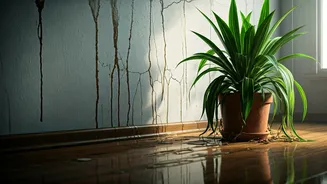
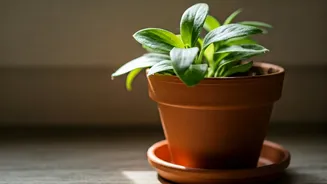
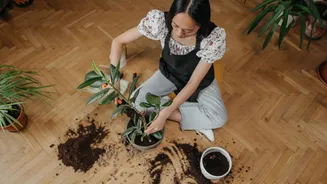
Houseplants can be more than just decoration; some actively absorb moisture from the air. [5] Plants like Spider Plants, Peace Lilies, and English Ivy are renowned for their ability to thrive in humid conditions while helping to reduce ambient moisture. [1, 3] Boston Ferns are also particularly effective at absorbing humidity. [1] These plants take in moisture through their leaves, helping to balance the humidity in a room naturally. [5, 6] Unlike many other houseplants that release moisture through transpiration, these varieties do the opposite, making them perfect, green dehumidifiers for your home. [7]
Smart Furniture and Clothing Care
How you arrange your flat and manage your belongings can also make a big difference. Avoid pushing furniture flush against walls; leaving a small gap allows air to circulate and prevents moisture from getting trapped, which can lead to mould. [14, 9] Similarly, try not to overfill wardrobes and cupboards, as this restricts airflow. [9] Whenever possible, avoid drying wet clothes indoors. A single load of laundry can release a surprising amount of water into the air. [9] If you must dry clothes inside, do so in a well-ventilated room with a fan running to help disperse the moisture.