

Switzerland’s landscapes are the stuff of dreams, but its popularity comes at a price: crowds and high costs. Navigating the most sought-after destinations requires a smart approach, especially when it comes to booking your stay.
1. Zermatt: Iconic Views, Peak Prices
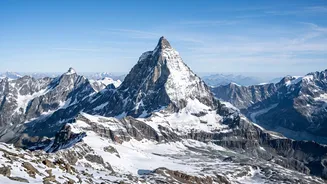
Zermatt is home to the
majestic Matterhorn, one of the world's most recognisable peaks, making it a bucket-list destination. This popularity, however, directly translates into some of the highest accommodation costs in Switzerland. The car-free village is packed with luxury hotels, five-star resorts, and high-end chalets catering to an affluent clientele. This focus on luxury, combined with its global fame and limited space, means even mid-range and budget options are priced at a premium. A large portion of apartments are short-term holiday rentals, which further tightens the supply for affordable long-term stays. To save money, consider staying in the nearby village of Täsch, which is a short train ride away and offers more competitive hotel rates. Booking well in advance, especially if you plan to visit during the peak ski season (December to April) or peak summer (July and August), is essential.
2. The Jungfrau Region: An Alpine Magnet
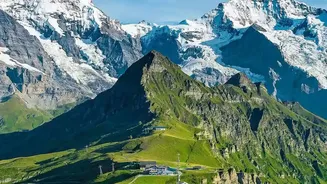
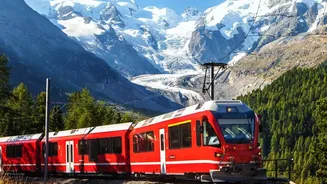
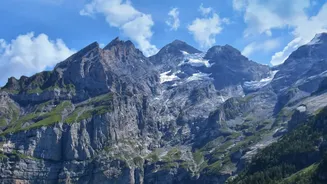
The Jungfrau Region, encompassing towns like Interlaken, Grindelwald, and Lauterbrunnen, is the heart of the Swiss Alps experience. Interlaken serves as the main gateway, a bustling hub between two stunning lakes, Lake Thun and Lake Brienz. The area's main draw is the accessibility of iconic peaks like the Jungfrau, Eiger, and Mönch, often reached via the famous Jungfraujoch railway, the 'Top of Europe'. This concentration of natural wonders makes the entire region extremely popular, leading to significant crowds, especially from July to August. The main street in Lauterbrunnen, famous for its 72 waterfalls including the Staubbach Falls, can be packed with visitors, and queues for cable cars are common. For a calmer experience, travel during the shoulder seasons of May, June, or September when the weather is still pleasant but the crowds are thinner.
3. Lucerne: The Postcard-Perfect City
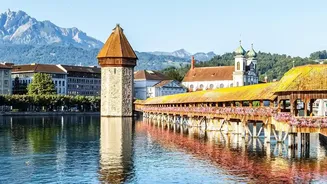
Lucerne is often described as Switzerland's most picturesque city. Its setting on Lake Lucerne, framed by mountains like Pilatus and Rigi, is breathtaking. The medieval Old Town, with the iconic Chapel Bridge (Kapellbrücke), is a major draw for tourists from around the world. During the summer months of July and August, the city is at its busiest and most expensive. The lakeside promenades are full, and boat tours can be packed. While it's a year-round destination, visiting in the spring (March to May) or autumn (September to October) offers a more relaxed atmosphere with fewer tourists and potentially lower prices. Visiting popular spots like the Chapel Bridge early in the morning is a great strategy to avoid the midday crush.
4. Zurich: The Bustling Financial Hub
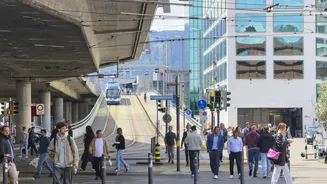
As Switzerland's largest city and a major international gateway, Zurich is naturally a crowded spot. While known for its banking and finance sector, it offers visitors a beautiful Old Town (Altstadt) to explore, high-end shopping along the Bahnhofstrasse, and the serene Lake Zurich. Its excellent connectivity makes it a starting point for many Swiss itineraries, ensuring a constant flow of tourists. The city balances its modern, cosmopolitan feel with historic charm, featuring attractions like the Fraumünster Church with its famous Chagall windows. Because it's a major business centre, hotel prices can be high year-round. To manage costs, some travellers opt for accommodation in the suburbs and use the efficient public transport system to get into the city centre.
5. Geneva: A Diplomatic and Cultural Hotspot
Situated on the shores of Lake Geneva (Lac Léman), Geneva is a global city, home to the European headquarters of the United Nations and the Red Cross. This international character gives it a unique, cosmopolitan feel. Its most famous landmark is the Jet d'Eau, a massive water fountain that shoots water 140 metres into the air. The charming Old Town and numerous museums also attract large numbers of visitors. Like Zurich, its status as a major international hub means it's consistently busy. Summer is the peak season, but the city's diplomatic and business schedules ensure a steady stream of visitors throughout the year. For a slightly less crowded experience with pleasant weather, consider a visit in the late spring or early autumn.