





Beyond the Performative Vacation
For years, the ideal vacation was portrayed as a high-energy affair filled with adventure, socialising, and a non-stop schedule. This format, often amplified by social media, pressures travellers to have a visibly 'fun' and packed experience. For introverts,
who are energised by calm and solitude rather than constant external stimuli, this model can be deeply draining. Instead of returning rested, they often come home needing a vacation from their vacation. The growing trend of 'low-noise' or 'quiet' travel is a direct response to this, prioritising rest and restoration over performative excitement. According to a 2026 Hilton trends report, the primary motivation for leisure travel is now to rest and recharge.
What Defines a Low-Noise Holiday?
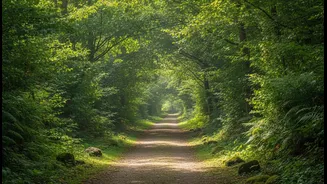
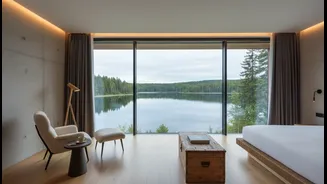
A low-noise holiday isn’t strictly about complete silence; it’s about reducing the volume on life’s many distractions, both social and sensory. It means intentionally choosing destinations and activities that are calming rather than overstimulating. This could be a solo trip to a cabin in the mountains, a stay at a coastal town in the off-season, or a retreat focused on nature and mindfulness. The key is having control over your schedule and energy. It allows for long, uninterrupted stretches of time for reading, hiking, exploring a museum at your own pace, or simply doing nothing at all without the pressure to entertain or compromise with a group.
The Science of a Quiet Recharge
The need for this type of travel is rooted in the distinct wiring of an introvert's brain. While extroverts gain energy from social interaction, introverts expend energy in highly stimulating environments and need solitude to refuel their 'social battery'. Constant noise, chatter, and activity can lead to sensory overload and exhaustion. Quiet travel provides a scientifically supported way to lower stress and improve mental well-being. Spending time in nature or near water, for instance, has been shown to reduce stress and allow the brain a respite from digital-age burnout. Silence itself can improve focus, lower cortisol levels, and enhance sleep quality. A low-stimulus trip isn't an antisocial act; it’s a necessary form of self-care and mental restoration.
Ideas for Your Own Quiet Escape
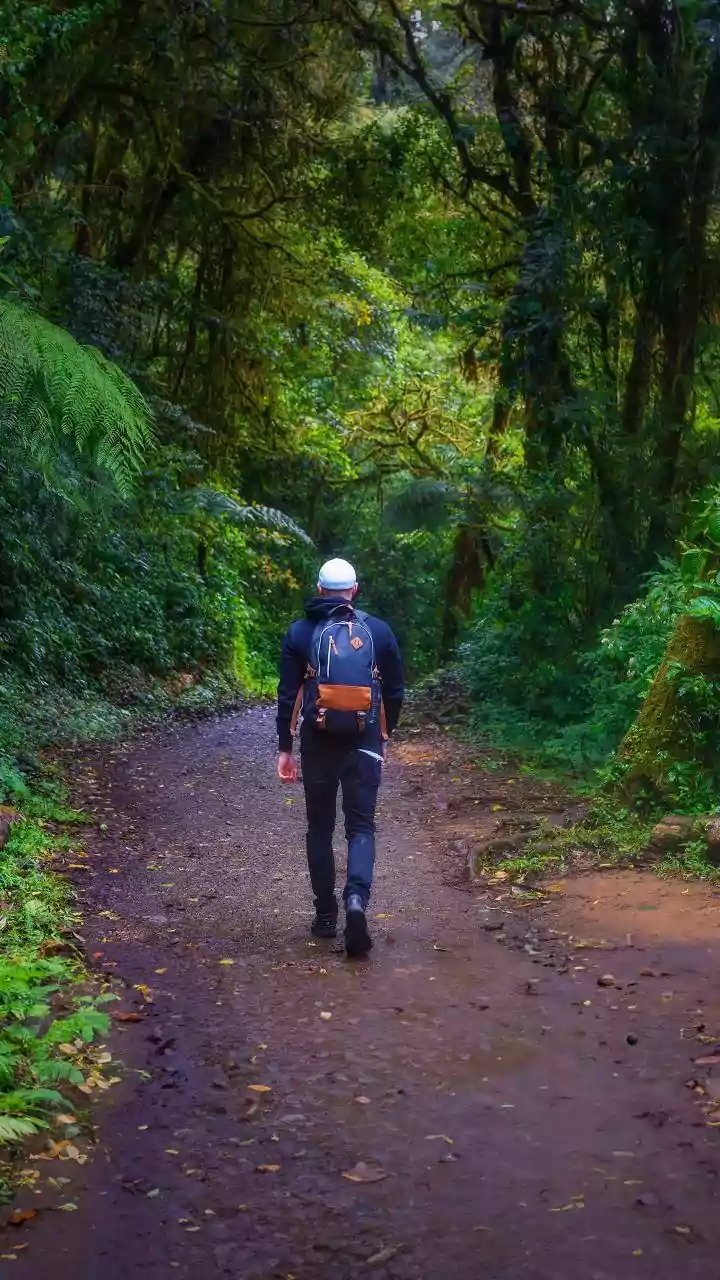
Planning a low-noise trip is about choosing calm over crowds. Consider destinations known for their natural beauty and slower pace of life. National parks during the shoulder season, remote coastlines, or even a 'staycation' with a focus on personal projects can be incredibly restorative. Activities might include hiking, bird-watching, photography, visiting a library or quiet cafe, or indulging in a wellness-focused experience like a spa or meditation retreat. According to recent travel surveys, more travellers are prioritising authentic experiences and connection with nature over nightlife and parties, signalling a broader shift in travel values. More than a quarter of travellers plan to travel alone in 2026 to ensure they get the silent moments they crave.
How to Plan a Low-Stimulus Trip
The key to a successful low-noise holiday is intentional planning. First, choose accommodations that feel recharging, such as a private rental, a small inn, or a hotel with quiet amenities, rather than a bustling hostel. Build ample downtime into your itinerary; resist the urge to over-schedule. Slower travel, where you spend more time in one place, is often more rewarding for introverts than rushing through a checklist of sights. If travelling with others, communicate your need for alone time clearly and kindly. Even on a group trip, you can carve out quiet moments by dining alone or taking a solo walk. Finally, pack for peace: noise-cancelling headphones, a good book, and a journal can be your best travel companions.