


From Trash to Treasure
Reducing kitchen waste is not just about environmental consciousness; it's about smart cooking. Herb stems, particularly from soft herbs like coriander, mint, and parsley, are brimming with flavour. While the leaves are tender and suited for garnishing,
the stems carry a more robust and deeper version of the herb's signature taste. By throwing them away, you're discarding a potent ingredient. Creating an infused oil is a simple and elegant way to capture this essence, turning what was once destined for the compost bin into a versatile pantry staple that adds a professional touch to your home cooking. This zero-waste approach allows you to extract every last bit of value from your fresh produce, saving money and elevating your dishes simultaneously.
The Simple Blanch-and-Blend Method
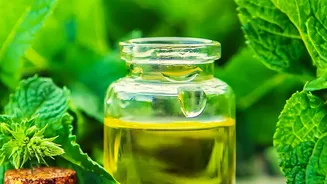
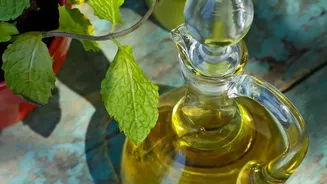
Creating a vibrant green herb oil is easier than you might think. The key is a quick blanching process, which sets the bright green colour and mellows any harshness. Start with a large bunch of coriander or mint stems (leaves are fine to include too). Bring a pot of salted water to a rolling boil and prepare a large bowl of ice water. Drop the stems into the boiling water for just 10 to 15 seconds, until they turn a brilliant shade of green. Immediately use a slotted spoon to transfer them to the ice bath to halt the cooking process. Once cooled, thoroughly dry the stems—excess water is the enemy of good oil. Pat them dry with a clean tea towel. For every one part of herbs, add two parts of a neutral-flavoured oil like sunflower or a light olive oil to a high-speed blender. Blend until the mixture is as smooth as possible, then strain it through a fine-mesh sieve lined with cheesecloth or a coffee filter without pressing down on the solids. The patient drip-through method yields the clearest, most beautiful oil.
Beyond Mint and Coriander
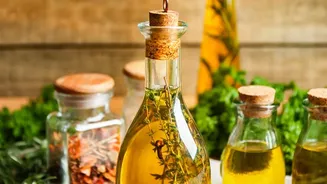
While coriander and mint stems are fantastic candidates, this technique works beautifully with a variety of other soft-stemmed herbs. Parsley, dill, and basil stems are all excellent choices for creating flavourful oils. You can even create custom blends by mixing different types of herb stems together for a more complex flavour profile. For tougher, woodier herbs like rosemary or thyme, a different approach is often better. Instead of blanching, you can gently heat the oil with the sprigs over a low temperature to infuse their flavour, as their hardy nature stands up well to heat without a pre-blanch. Experimenting with different herbs opens up a world of culinary possibilities, allowing you to tailor your infused oils to specific cuisines or dishes.
How to Use Your Homemade Herb Oil
This infused oil is more than just a pretty drizzle. Its uses are nearly endless. Whisk it into a vinaigrette for a fresh, vibrant salad dressing. Drizzle it over roasted vegetables, grilled meats, or fish right before serving for a burst of flavour. Swirl it into soups, hummus, or creamy polenta for added depth and a beautiful finish. It can be used as a flavourful base for marinades or even to liven up a simple bowl of pasta. Think of it as a finishing oil—a final touch that brightens and elevates the entire dish, adding a layer of fresh herb flavour that is both subtle and distinct.
A Critical Note on Safety and Storage
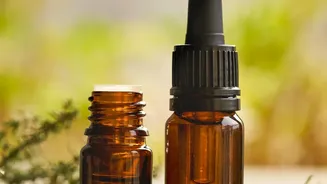
Homemade infused oils require careful handling to prevent the growth of harmful bacteria, particularly Clostridium botulinum, which can cause botulism. This bacterium thrives in the oxygen-free environment that oil provides, especially when fresh, moist ingredients are present. The blanching and thorough drying method described above helps to reduce this risk. However, for maximum safety, your fresh herb-infused oil must be stored in the refrigerator in a sterilised, airtight container and used within a week. If you notice any off-odours, cloudiness, or signs of spoilage, discard the oil immediately. Never store homemade oils made with fresh ingredients at room temperature.