





Ziro: A Paradise Worth Protecting
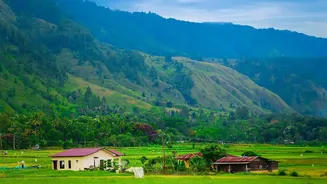
Ziro Valley is a name that evokes images of lush, sun-kissed rice paddies, mist-covered pine hills, and the unique culture of the Apatani tribe. This valley, a candidate for UNESCO World Heritage status, has long been a magnet for those seeking an escape
into nature’s embrace. The Apatani people are renowned for their sophisticated and sustainable way of life, from their architecture to their unique paddy-cum-fish cultivation system which requires no machinery or artificial fertilisers. However, this delicate balance of nature and culture faces pressure from increasing tourism, especially with the popularity of events like the Ziro Festival of Music. This has made the need for a responsible tourism model more urgent than ever, a call that many young visitors are now answering.
The Eco Homestay Covenant
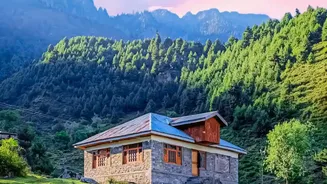
The core of Ziro's sustainable model lies in its network of eco-friendly homestays, often run by local Apatani families. These are not just places to sleep; they are immersive cultural classrooms. The 'rules' are often unwritten but deeply ingrained principles of the Apatani lifestyle. Guests are encouraged to minimise plastic waste, conserve water, and respect local customs. Many homestays are built with traditional, sustainable materials like bamboo and wood. For young travellers, staying in these homes offers an authentic connection they crave. They participate in daily life, learn about traditional farming, and share meals made from organic, local produce, turning a simple vacation into a meaningful exchange. This isn't about restrictive rules but a shared understanding to live in harmony with the environment.
A Permit as a Pledge of Responsibility
Entry into Arunachal Pradesh for domestic tourists is regulated by the Inner Line Permit (ILP), an official document required for all non-residents. While some may see this as a bureaucratic hurdle, a growing number of young travellers view it differently. Obtaining an ILP is the first step in a contract of respect with the land and its people. It’s a formal acknowledgement that one is entering a protected area with a unique cultural and ecological identity. The process, which requires providing details of your itinerary and local contacts, encourages thoughtful travel planning rather than spontaneous, potentially disruptive trips. By willingly complying with this regulation, travellers demonstrate their commitment to being mindful guests, not just consumers of scenery.
The New Guardians of a Green Legacy
Across India, there is a rising trend of young people seeking more than just a typical holiday. They are increasingly aware of their environmental footprint and are looking for sustainable and meaningful travel experiences. In Ziro, this manifests as a new generation of eco-guardians. They are the travellers who carry reusable water bottles, ask questions about waste segregation, and show genuine interest in the Apatani way of life. They use social media not just to post beautiful pictures, but to advocate for responsible travel, sharing tips on local etiquette and promoting the homestays that prioritise sustainability. This conscious behaviour, combined with the regulatory framework of the ILP, creates a powerful force for preservation. They are proving that tourism, when done right, can support and celebrate a culture rather than diminish it.
A Blueprint for Indian Tourism?
The symbiotic relationship developing in Ziro between conscious young travellers and a community dedicated to its traditions offers a powerful blueprint for other ecologically sensitive destinations across India. It proves that tourism doesn't have to be a zero-sum game where development comes at the cost of environmental and cultural degradation. By empowering local communities, implementing sensible regulations, and attracting travellers who are willing to be partners in preservation, a truly sustainable model is possible. The success in Ziro is a testament to the fact that the future of travel lies not in mass-market consumption, but in mindful connection, shared responsibility, and a genuine love for the places we are fortunate enough to visit.