

Understanding Transplant Shock
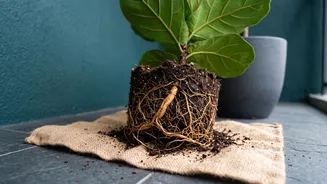
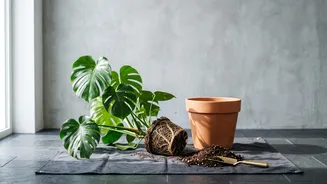
Repotting, while necessary for long-term health, is a stressful event for any indoor plant. The process inevitably disturbs or damages the plant's delicate root hairs, which are essential for absorbing water and nutrients. This disruption leads to a state
of shock, often called transplant shock, where the plant struggles to get what it needs from the soil. Symptoms are easy to spot: wilting, yellowing or drooping leaves, and a general lack of vigour. The plant's root system is temporarily compromised and can't support the existing foliage, creating a critical imbalance between what the leaves need and what the roots can provide.
Light's Role as an Energy Source
To repair its damaged roots and grow new ones, a plant needs energy. This energy is created through photosynthesis, the process where leaves use light to convert carbon dioxide and water into sugars, or food. These sugars are the fuel for all plant functions, including growth and repair. After the trauma of repotting, the plant must divert a significant amount of this energy downward to its root system to heal and re-establish itself in the new pot. Without adequate light, photosynthesis slows down, energy production dwindles, and the root recovery process stalls, leaving the plant vulnerable for longer.
Why Too Much Sun is Harmful
It might seem logical to give a struggling plant as much light as possible, but placing a newly repotted plant in direct, intense sunlight is a common and critical mistake. Harsh sun does two damaging things. First, it puts the leaves into overdrive, encouraging them to photosynthesize rapidly and demand more water than the damaged roots can possibly supply, leading to wilting and scorched leaves. Second, the heat from direct sun adds another layer of stress, causing the plant to lose moisture through its leaves faster, further dehydrating it at a time when its water uptake is already impaired.
Finding the 'Goldilocks' Zone: Bright, Indirect Light
The ideal condition for a recovering plant is bright, indirect light. This is the kind of light found a few feet away from a sunny window or in a room that is brightly illuminated but doesn't receive direct sunbeams. This level of light provides the perfect balance. It's strong enough to fuel photosynthesis and produce the energy needed for root repair, but gentle enough that it doesn't overstimulate the leaves or cause heat stress. By keeping the plant in bright, indirect light for a couple of weeks post-repotting, you allow it to focus its energy budget on healing its roots instead of trying to support excessive top growth.
More Tips for a Smooth Recovery
While light is a primary factor, a few other aftercare steps can support a speedy recovery. First, resist the urge to overwater. While the soil should be watered thoroughly after repotting, let it begin to dry out before watering again to avoid suffocating the fragile, healing roots. It's also best to hold off on fertilizing. The new potting mix has fresh nutrients, and adding more can burn the sensitive, damaged roots. Wait until you see clear signs of new growth, which is the signal that the root system has recovered and the plant is ready for a nutrient boost.