




A Second Star Secured
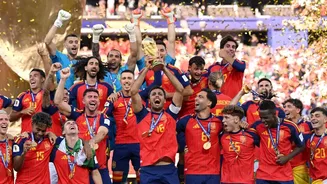
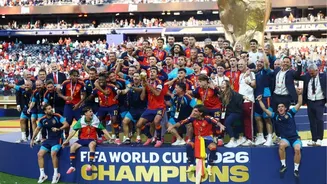
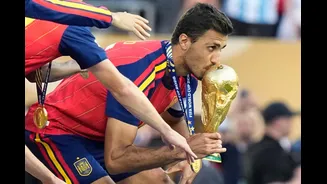
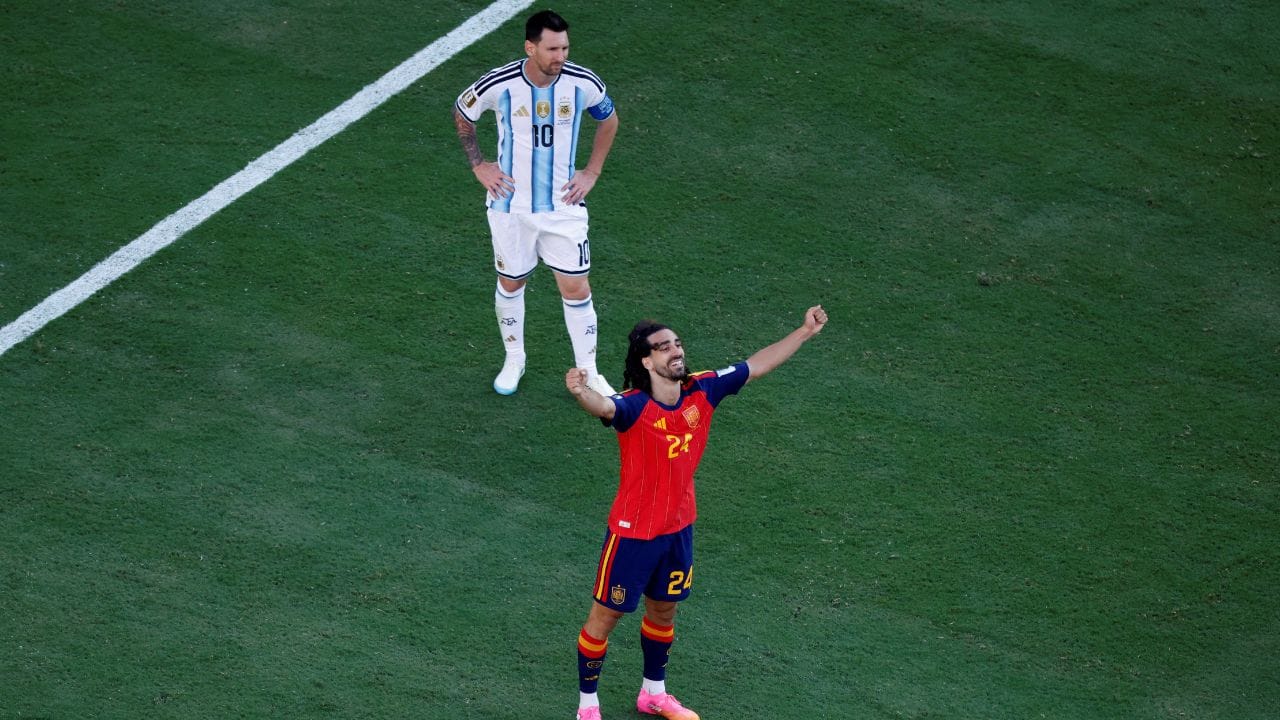
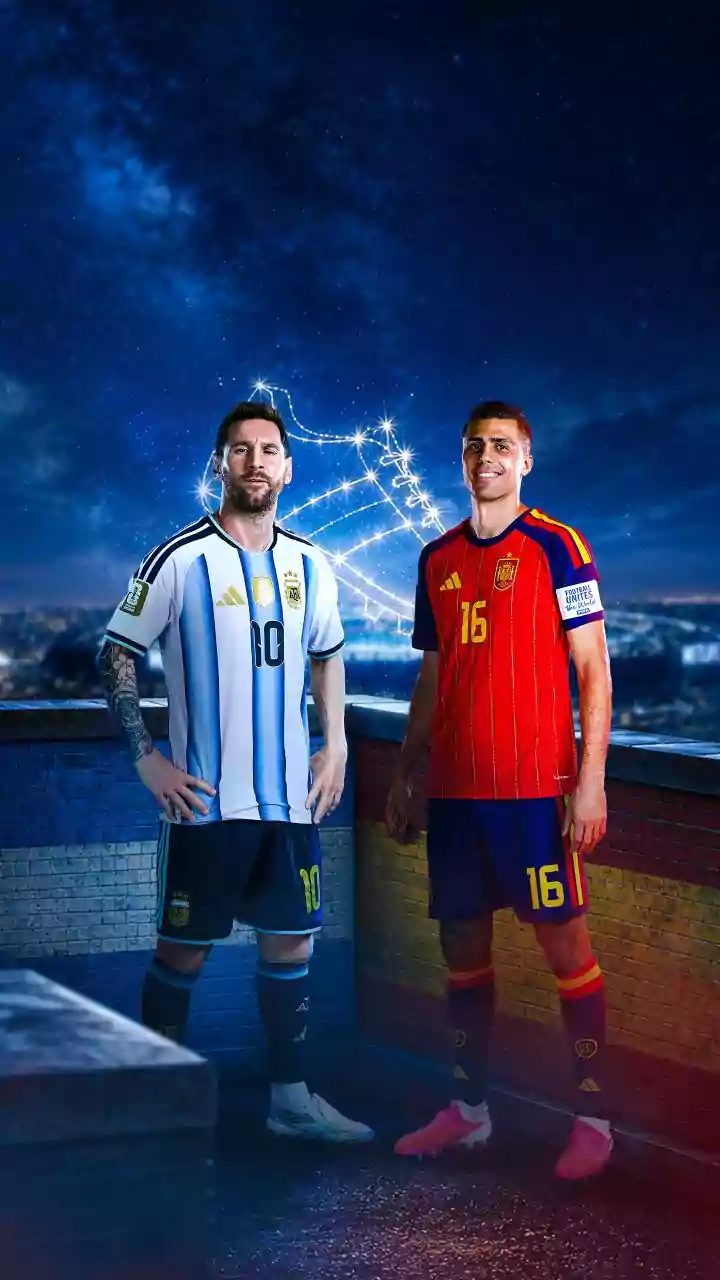
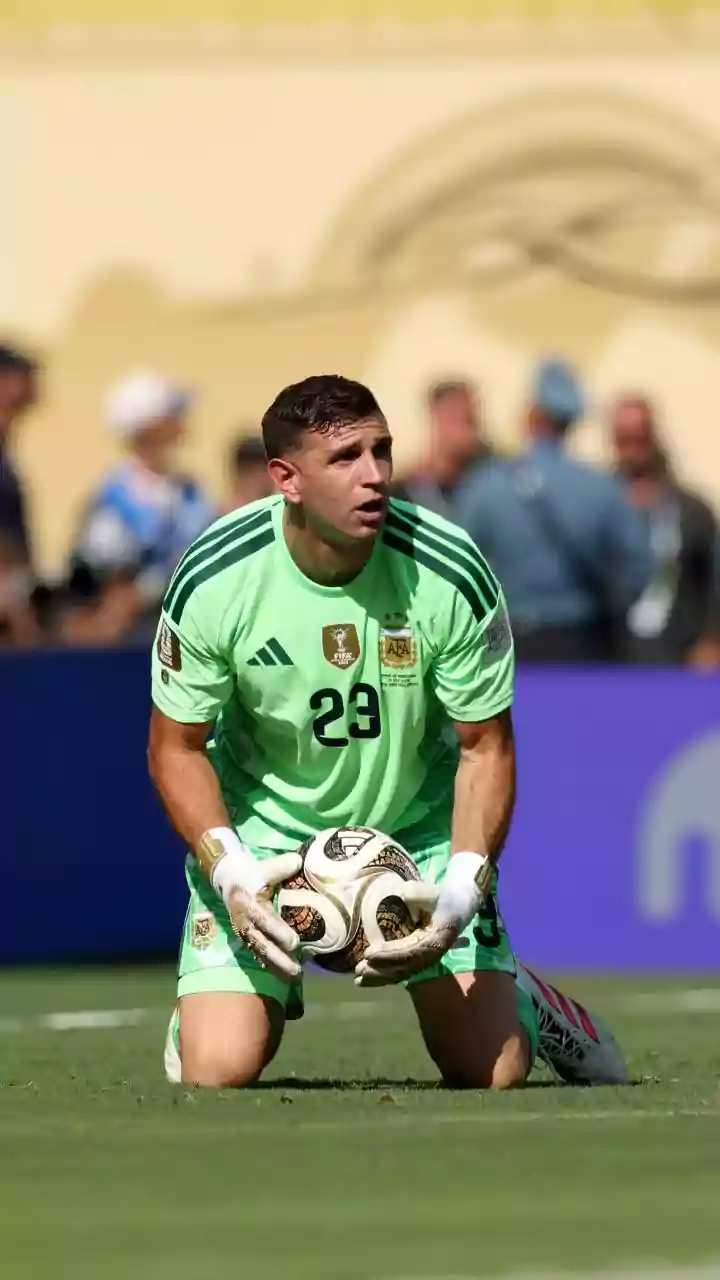
Spain has now won the FIFA World Cup twice. Their latest victory came on July 19, 2026, after a tense and strategic final against the defending champions, Argentina, at MetLife Stadium in New Jersey. In a gruelling match that went into extra time, substitute
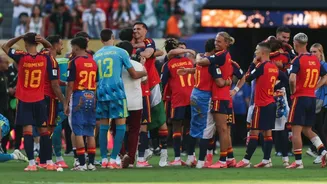
Ferran Torres became the national hero, scoring the lone goal in the 106th minute to secure a 1-0 victory. The win was a testament to Spain's dominance throughout the match, where they controlled possession and outshot their opponents significantly, finally breaking through a resilient Argentine defence that was reduced to ten men late in normal time. This victory is Spain's second men's World Cup title, the first having been won in 2010.
The Difficult Road to Glory
La Roja's journey to the final was a showcase of tactical discipline and resilience. Entering the tournament as reigning European champions after their UEFA Euro 2024 win, expectations were high. They navigated their group stage with two wins and a draw before embarking on a challenging knockout stage run. They defeated Austria in the round of 32, edged out rivals Portugal, and overcame Belgium in the quarter-finals. Their semi-final was a heavyweight clash against France, where they produced a masterful 2-0 victory, setting the stage for the final showdown with Argentina. Captained by Manchester City's Rodri, the team was a finely tuned machine, conceding only one goal throughout the entire tournament.
Echoes of South Africa 2010
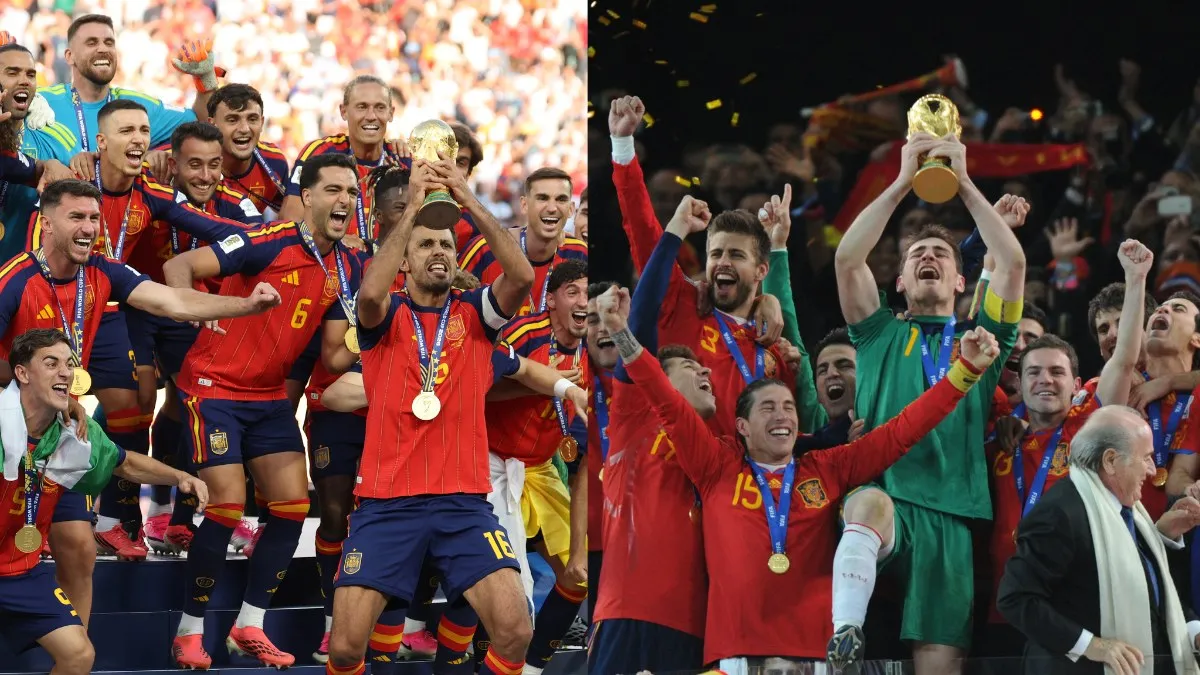
This 2026 victory inevitably draws comparisons to Spain’s first-ever World Cup win in South Africa. In 2010, a legendary squad featuring Andrés Iniesta, Xavi, and Iker Casillas defeated the Netherlands 1-0 in extra time, with Iniesta scoring the iconic late winner. That victory was the pinnacle of Spain's 'tiki-taka' golden era, where they also won consecutive European Championships in 2008 and 2012. While the 2010 team was celebrated for its revolutionary possession-based style, the 2026 squad under manager Luis de la Fuente has been praised for its blend of technical skill and pragmatic, disciplined football. Both victories, however, share a common thread: a 1-0 win in extra time of the final, cementing Spain's reputation for grinding out results on the biggest stage.
A New Golden Generation
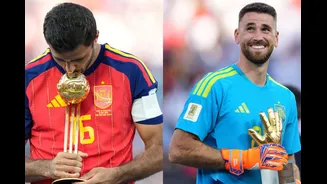
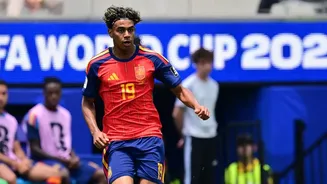
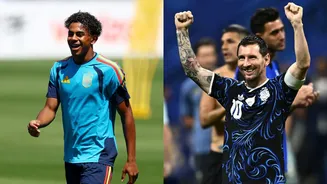
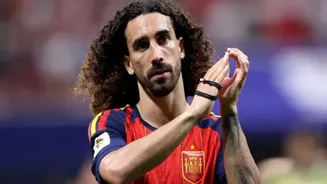
The architects of this second world title are a mix of veteran leaders and exciting young talent. Captain Rodri was the anchor in midfield, providing stability and leadership that earned him the tournament's Golden Ball for best player. Meanwhile, young stars like Lamine Yamal and Pau Cubarsí brought flair and fearlessness to the squad, signaling a bright future for the national team. The victory was also a monumental achievement for manager Luis de la Fuente, who at 65 became the oldest coach to win a World Cup title. The win feels less like a singular event and more like the confirmation of a new dynasty, built on the foundations of the 2023 UEFA Nations League and the Euro 2024 titles.
Cementing a Global Legacy
With two men's World Cup trophies, Spain solidifies its position among football's elite nations. This victory also creates a unique piece of history: Spain is now the first nation to simultaneously hold both the men's and women's World Cup titles, following the women's team's triumph in 2023. This remarkable achievement speaks volumes about the strength and depth of football development in the country. By dethroning the previous champions and winning back-to-back major tournaments (Euro 2024 and World Cup 2026), Spain has ended any debate. They are not just champions; they are the new benchmark for excellence in international football, adding a second, hard-won star to their famous crest.