
The Sniff Test Is a Myth
Relying on your nose to detect spoiled food is an age-old practice, but food safety experts warn it's dangerously misleading. The reason is simple: a crucial distinction exists between the microorganisms that spoil food and those that make you sick. The bacteria,
yeasts, and molds that cause food to develop an off-smell, weird texture, or unpleasant taste are known as spoilage organisms. While they might make food unappetizing, they are generally not harmful. Eating slightly sour milk or stale bread might be unpleasant, but it likely won't land you in the hospital. The real danger comes from a different, invisible enemy.
Pathogens: The Invisible Danger
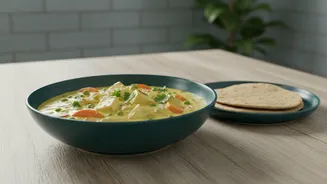
The microorganisms that cause foodborne illness are called pathogens. Bacteria like Salmonella, Listeria, E. coli, and Campylobacter can cause serious illness, but they don't necessarily change the look, smell, or taste of the food they contaminate. These invisible microbes can be present in amounts too small for the human nose to detect, yet still be enough to cause food poisoning. In other words, a chicken curry that smells perfectly fine could still be harbouring dangerous levels of bacteria if it was handled or stored improperly. Symptoms of foodborne illness, which can include nausea, vomiting, and diarrhoea, often don't appear for hours or even days, making it hard to trace back to the offending meal.
Time and Temperature: The Real Rules
If you can't trust your senses, what should you rely on? The two most important factors in food safety are time and temperature. Bacteria multiply fastest in the 'Danger Zone', a temperature range between 40°F (4°C) and 140°F (60°C). Perishable food should never be left at room temperature for more than two hours. If the ambient temperature is above 90°F (32°C), that window shrinks to just one hour. This rule is critical. A burger bought at 1 PM and left in a backpack until 5 PM is unsafe to eat, even if it looks and smells fine, because bacteria have had hours to multiply.
Your Refrigerator Is Your Best Friend
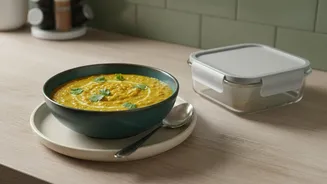
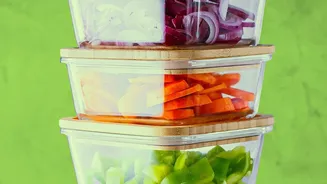
Proper storage is key to extending the life of your prepared foods and keeping them safe. Refrigeration slows down bacterial growth, but it doesn't stop it completely. Most leftovers, when stored correctly in airtight containers, are safe to eat for three to four days. To cool large batches of food like stews or roasts quickly and safely, divide them into smaller, shallow containers before refrigerating. This prevents the food from lingering in the temperature danger zone for too long. Always reheat leftovers to an internal temperature of 165°F (74°C) to kill any bacteria that may have developed.
When in Doubt, Throw It Out
While smell can indicate quality and spoilage, it's not a reliable test for safety. You might notice a sour smell from spoilage bacteria, which are usually harmless, but you won't be able to detect the pathogenic bacteria that cause illness. Because you can't see, smell, or taste the dangerous bacteria, the safest approach is to be disciplined about food storage rules. Label your leftovers with the date they were made to avoid confusion. And if you're unsure how long something has been sitting out or in the back of the fridge, don't risk it. The old adage holds true: when in doubt, throw it out.