


A Conscious Move Away From 'Fast Furniture'
There's a growing awareness about the environmental and cultural cost of 'fast furniture'—mass-produced items that are designed to be trendy for a short period before ending up in a landfill. In response, many Indian homeowners are making a conscious
choice to invest in pieces that are built to last. This move is driven by a desire for authenticity and a smaller carbon footprint. Choosing sustainable interiors is no longer a niche interest but a mainstream aspiration for those looking to create a home that reflects their values. It's about buying fewer but better things, and finding beauty in items that have a history.
The Timeless Allure of Vintage Pieces
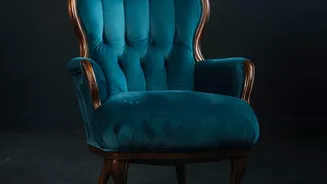
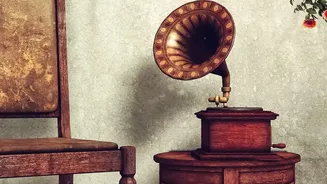
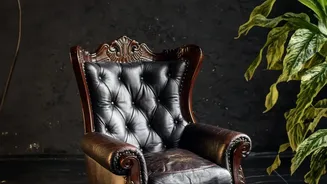
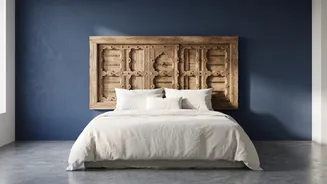
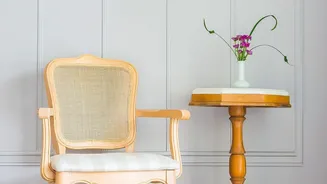
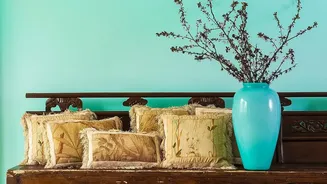
Vintage furniture brings something to a room that brand-new items cannot: a story. Whether it's a solid teak sideboard inherited from a grandparent, a colonial-era armchair found at a local market, or an intricately carved wooden chest, these pieces add instant character and a sense of heritage. Many are rediscovering the superior craftsmanship of older furniture, which was often made from solid woods like teak and rosewood, designed to endure for generations. This durability makes buying second-hand solid wood furniture a smart investment. Unlike modern engineered wood items that cannot be repaired easily, vintage pieces can often be restored or refinished to their former glory, blending seamlessly into contemporary homes.
The Creative Magic of Upcycling
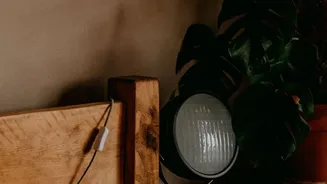
Upcycling, the art of transforming discarded objects into something new and valuable, has deep roots in India's traditional non-wasteful culture. Today, it’s being embraced with renewed creativity in interior design. An old door can be repurposed into a statement dining table, colourful glass window frames can become artistic mirrors, and discarded fabric can be woven into vibrant cushion covers or rugs. This approach is not just eco-friendly; it's a celebration of individuality. It allows homeowners to become co-creators in their own space, designing one-of-a-kind pieces that are both personal and sustainable. Brands and design studios across the country are now championing this movement, turning everything from scrap metal and rotten wood into beautiful, functional art for the home.
Why This Trend Has Soul
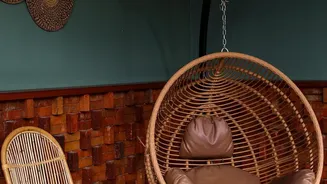
This shift is about more than just aesthetics. For many, it's a way to reconnect with Indian heritage and support local artisans and their traditional craft techniques. Incorporating handcrafted furniture or décor is a vote for sustainable livelihoods and ethical practices. Furthermore, as the cost of new materials rises, turning to vintage and upcycled items is also a budget-conscious decision. The stigma once associated with second-hand goods is disappearing, replaced by an appreciation for the unique character and quality that pre-loved items offer. Ultimately, this trend is about creating a home that feels collected and curated, rather than simply bought.
How to Embrace the Sustainable Style
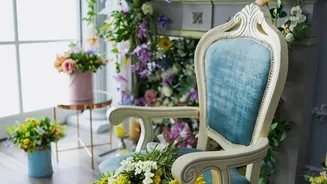
Getting started is easier than you might think. Begin by looking for inspiration in your own family heirlooms. Explore local second-hand furniture markets, which are often treasure troves of solid wood pieces waiting for a new life. When buying used, focus on items made from solid wood like sheesham or teak, as they are the most durable and easiest to restore. For upcycling, start small. A fresh coat of non-toxic paint can transform an old chair, and new upholstery can give a tired sofa a modern look. The goal is to blend old with new, creating a balanced space that is 70% contemporary and 30% vintage for a look that feels both timeless and personal.