


The Rise of a Conscious Consumer
For decades, polished white rice and refined wheat flour dominated Indian meals. But a significant shift is underway. Driven by rising health consciousness and a desire to manage lifestyle diseases, urban consumers are looking beyond convenience and rediscovering
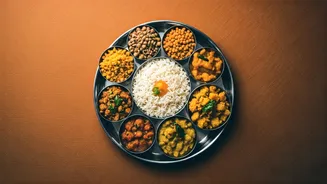
the nutritional powerhouse that is dietary fibre. This isn't just another fleeting wellness trend; it's a grassroots movement back towards foods that have nourished Indians for centuries. The modern Indian plate is being re-evaluated, with a focus on what our grandparents might recognise: whole grains, legumes, and an abundance of vegetables that support long-term health, from better digestion to stable blood sugar levels.
The Great Millet Comeback
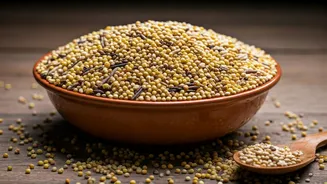
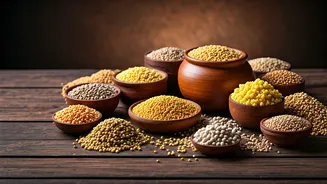
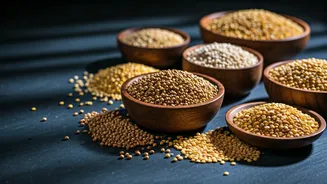
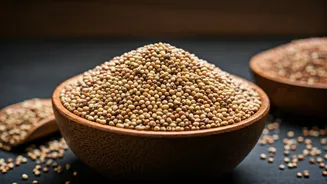
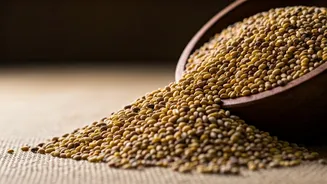
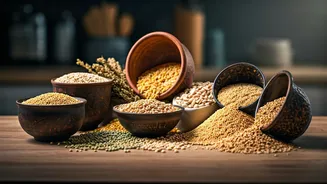
At the heart of this fibre revolution is the triumphant return of millets. Grains like jowar (sorghum), bajra (pearl millet), and ragi (finger millet) were once staples across the subcontinent but were largely sidelined by the Green Revolution's focus on wheat and rice. Now, they are being celebrated for their resilience, both in the field and in our bodies. Millets are naturally high in fibre, gluten-free, and packed with essential minerals like iron and calcium. What was once considered 'poor man's food' is now being recognised as a superfood, finding its way into urban kitchens not just as traditional bhakri or roti, but in modern forms like breakfast porridge, salads, and even baked goods.
More Than Just Millets
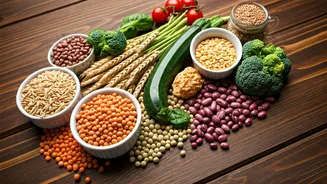
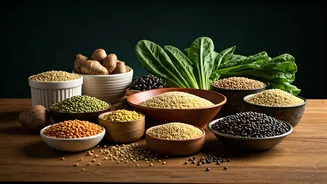
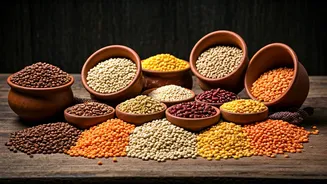
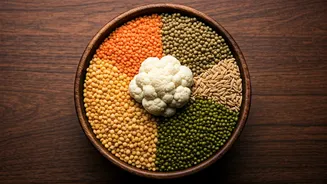
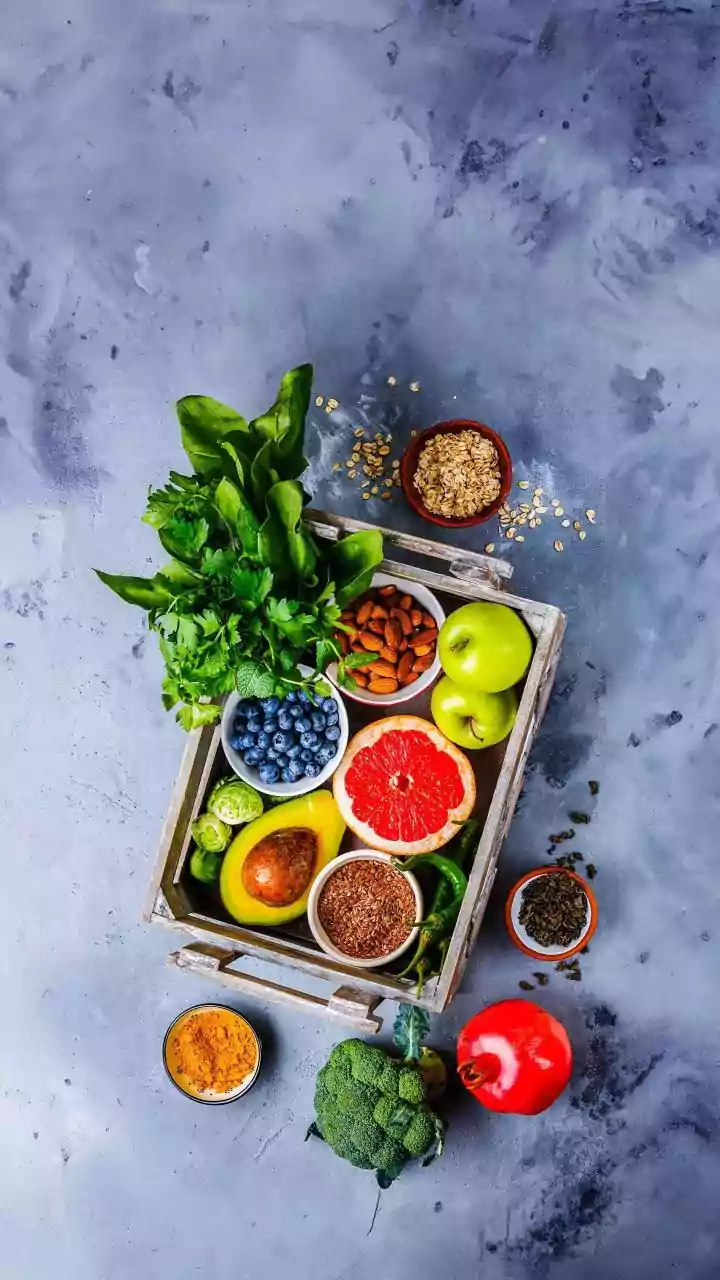
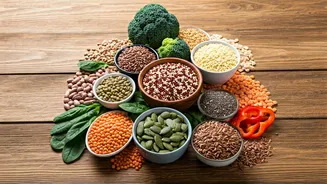
While millets are the poster child of this movement, the fibre-forward approach encompasses a wide array of ingredients. Traditional Indian cuisine is naturally rich in fibre, a fact that is being newly appreciated. Pulses and legumes like rajma, chana, and moong dal are being recognised not just for their protein content but for their significant fibre contribution that aids satiety and gut health. Vegetables, from leafy greens like spinach to staples like okra (bhindi) and bottle gourd (lauki), are being given a prime spot on the plate. Even fruits with edible skin, such as guavas and apples, are being promoted for their fibre content, rounding out a holistic dietary approach.
New Twists on Old Favourites
This trend is not about abandoning beloved dishes but re-imagining them. Chefs and home cooks are getting creative, incorporating these high-fibre ingredients into modern, palatable formats. Millet flour is being used to create everything from dosa and idli to noodles and pizza bases. Ancient grains like barley (jau) and amaranth (rajgira) are appearing in soups and energy bars. Traditional recipes are also being revived and celebrated, like the ragi mudde of South India or bajra khichdi from Rajasthan. This culinary creativity makes the shift to a high-fibre diet feel less like a restriction and more like an exciting exploration of India's rich agricultural and culinary heritage.