




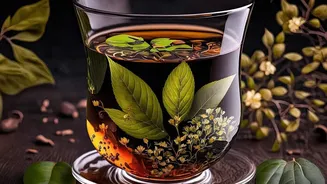
The Unique Charm of Nilgiri Tea
For years, Indian tea has been globally defined by the robust malty character of Assam and the delicate muscatel notes of Darjeeling. But the Nilgiri region, often called the Blue Mountains, produces a tea that is wonderfully distinct. Nilgiri teas are
known for being exceptionally aromatic, fragrant, and brisk, with a clean, balanced flavour. They possess subtle floral and fruity notes, creating a liquor that is naturally sweet and smooth on the palate. A key characteristic that makes Nilgiri leaves perfect for modern brews is their low level of tannins. This means they are less prone to bitterness and astringency, a quality that sets them apart from other black teas. Furthermore, Nilgiri tea has the unique property of remaining clear when chilled, unlike many black teas that can turn cloudy. This combination of natural sweetness, low bitterness, and visual clarity makes it an ideal base for drinks that don't require added sugar to be enjoyable.
The Artisan's Approach to Brewing
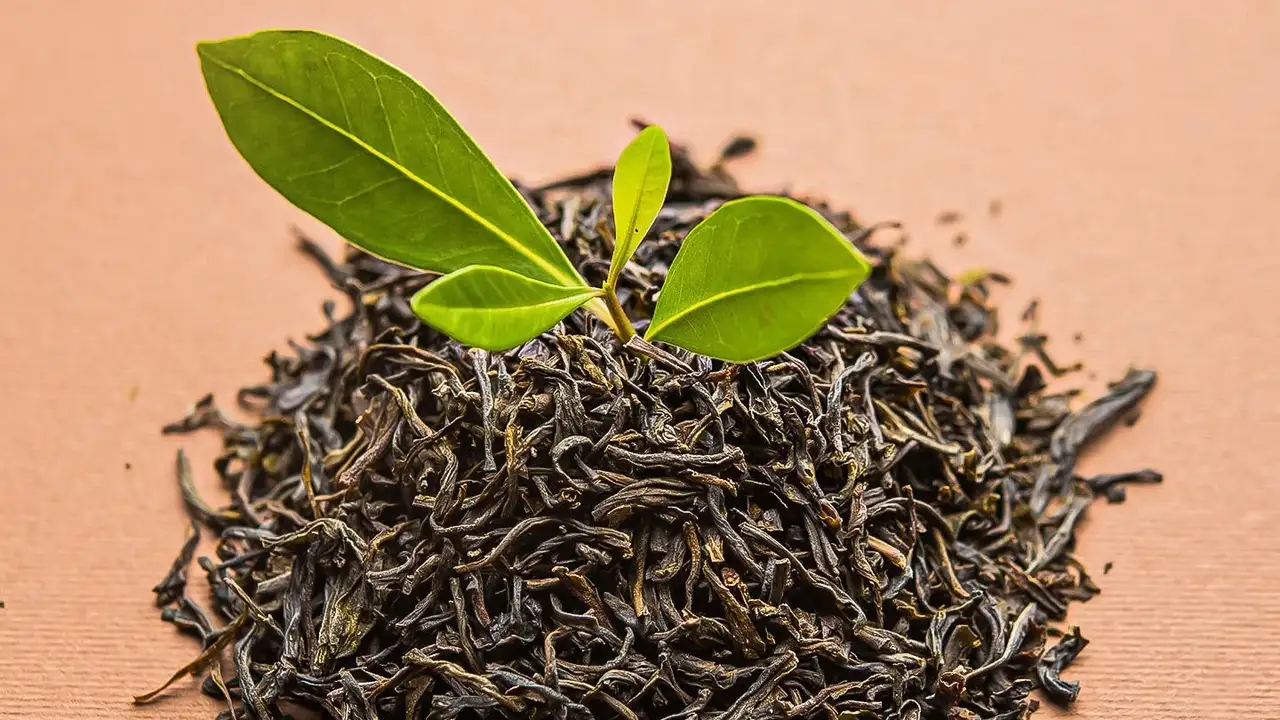
The term 'artisanal' in this context moves away from the industrial Cut, Tear, Curl (CTC) method designed for mass-market tea bags. Instead, it embraces the Orthodox method, a more traditional process where whole leaves are carefully withered, rolled, and oxidized to preserve their complex flavours. Artisanal makers focus on small-batch production, allowing them to highlight the unique character of the leaves from a specific harvest or estate. This hands-on approach is all about nuance. By controlling every step, from selecting the leaves to the final brew, these creators can coax out the best qualities of the tea. Their philosophy is not about masking the flavour with sugar, but about enhancing the tea's inherent profile. This often involves innovative brewing techniques and thoughtful pairings with other natural ingredients.
Crafting Flavour Without the Sugar
The secret to a flavourful, low-sugar brew lies in the brewing method. Many artisanal makers have embraced cold brewing, a technique perfectly suited to Nilgiri leaves. By steeping the tea in cold or room-temperature water for an extended period—typically 6 to 12 hours—the flavour is extracted slowly and gently. This process extracts significantly fewer tannins, the compounds responsible for bitterness, resulting in a smoother, naturally sweeter taste. The vibrant citrus and floral notes of Nilgiri tea become more pronounced in a cold brew, creating a refreshing drink that needs little to no sweetening. Some artisans also experiment with infusions, pairing Nilgiri tea with natural ingredients like citrus peels, fresh mint, ginger, or spices like cardamom and cinnamon. These additions provide complexity and a hint of sweetness without resorting to refined sugar, creating a beverage that is both healthy and delicious.
A Modern Answer to a Health-Conscious India
The rise of these artisanal Nilgiri brews is perfectly in tune with a growing wellness trend across India. Consumers are increasingly seeking out authentic, locally sourced products and are more mindful of their sugar intake. Unsweetened or naturally sweetened iced teas offer a fantastic, low-calorie alternative to packaged juices and sodas. They provide hydration with the added benefits of antioxidants found in tea, such as flavonoids, which are linked to various positive health outcomes. The cold-brew method also preserves more of these delicate compounds compared to traditional hot brewing. This movement is more than just a new way to drink tea; it represents a deeper appreciation for regional ingredients and a modern reinterpretation of tradition. It showcases how an old-world leaf can be transformed to meet the demands of a new generation seeking flavour, authenticity, and well-being in their cup.